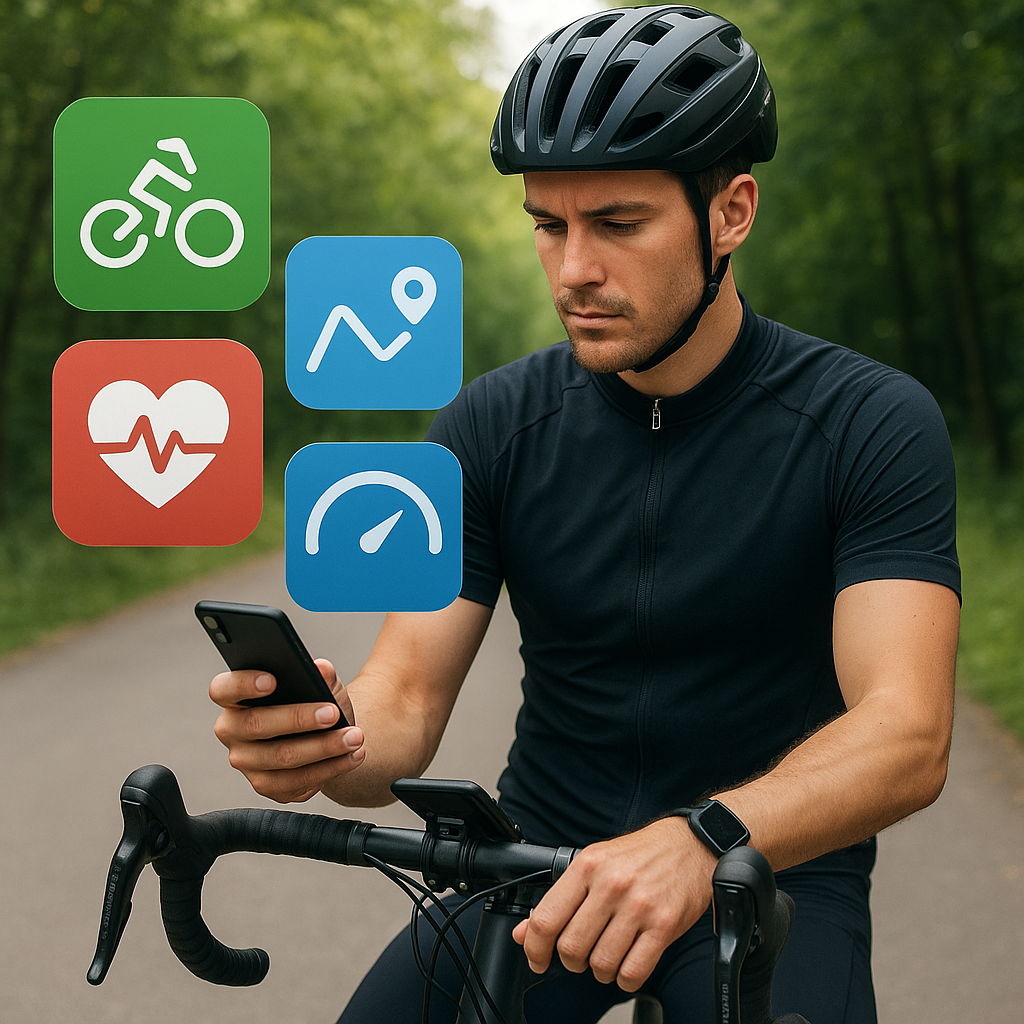
Cycling has evolved into a highly connected and data-driven pursuit, where every ride can be tracked, analyzed, and enhanced by cutting-edge applications. As we look ahead to 2025, a selection of powerful tools promises to transform the way cyclists plan routes, monitor performance, and engage with a global community. This article explores the most influential apps and how they integrate with modern bicycles to deliver a safe, efficient, and enjoyable experience.
Revolution of Cycling Technology
The integration of **smartphones** and **wearables** into the cycling ecosystem has yielded an unprecedented level of connectivity. Modern bikes often come with built-in sensors that communicate real-time data such as speed, cadence, power output, and even tire pressure. Through **Bluetooth** or **ANT+** protocols, this information feeds directly into companion applications for live feedback. Manufacturers leverage the Internet of Things to deliver features once reserved for professional teams, making advanced metrics accessible to all riders.
By 2025, artificial intelligence will enable these apps to suggest optimal training schedules, predict maintenance needs, and adjust route recommendations based on weather forecasts or air quality readings. The emphasis on **sustainability** also drives developers to integrate carbon-footprint tracking, helping eco-conscious cyclists minimize their environmental impact.
Essential Apps for Safe Navigation
Choosing the right navigation app can mean the difference between a seamless journey and getting lost on unfamiliar roads. Below are some of the standout choices for 2025:
- PathPilot: Offers turn-by-turn directions with offline map storage and lane guidance.
- SafeSpoke: Notifies emergency contacts if the rider deviates from the planned route or stops moving for a specified period.
- GreenRoute: Calculates the most eco-friendly path, avoiding high-traffic zones and steep climbs to conserve energy.
- UrbanFlow: Prioritizes bike lanes and cycle-friendly streets in densely populated areas.
Advanced Warning Systems
Many of these apps feature collision alerts that use GPS and accelerometer data to detect potential hazards. Riders receive audio or haptic warnings when a vehicle approaches too quickly or when they veer off designated lanes. Incorporating live traffic feeds ensures that cyclists can adjust plans on the fly to maintain maximum **safety**.
Training and Performance Enhancers
Whether tackling your first century ride or chasing a personal best, performance apps can transform raw data into actionable insights. Key applications include:
- PowerPro: Offers in-depth analysis of power zones, FTP (Functional Threshold Power) assessments, and adaptive workout plans.
- SpinSync: Synchronizes indoor training sessions with virtual routes, allowing real-world terrain replication on a smart trainer.
- Cadence Coach: Monitors and helps optimize pedaling efficiency through biofeedback and AI-driven recommendations.
Integration with Smart Equipment
These tools often connect seamlessly to electronic shifting systems, power meters, and heart rate monitors. Real-time guidance helps athletes hit precise output targets, while post-ride analytics pinpoint areas for improvement. Emphasizing **performance**, they deliver personalized **training** regimens that adapt to fatigue, recovery status, and seasonal goals.
Community and Social Integration
Cycling is as much a social pursuit as it is a physical challenge. Today’s leading apps foster strong community bonds by sharing routes, photos, and live location updates with fellow riders. Notable platforms include:
- RideShare+: Organizes group rides based on skill level and location, complete with RSVP functionality and route suggestions.
- CycleGram: A social network dedicated to cyclists, where members post multimedia stories, equipment reviews, and local event announcements.
- LeaderBoard: Hosts weekly and monthly challenges, awarding virtual badges and encouraging friendly competition.
Virtual Coaching and Mentorship
Many networks now offer virtual coaching services, pairing novices with seasoned athletes for live feedback via video calls and chat. This emphasis on **community** and peer support can accelerate learning curves and keep motivation levels high.
Maintenance and Sustainability Tools
Keeping a bicycle in top condition is essential for reliability and longevity. Maintenance apps in 2025 focus on preventive care, offering automated reminders and guided tutorials:
- BikeDoc: Logs service history, predicts component wear, and suggests local repair shops when issues arise.
- EcoChain: Tracks chain mileage and recommends eco-friendly lubrication products, reducing environmental impact.
- SpareFinder: Locates compatible replacement parts and compares prices across online retailers.
AR-Powered DIY Assistance
Augmented reality overlays can guide users through complex repairs. By pointing a smartphone camera at a bike component, riders receive step-by-step visual instructions, making tasks like brake bleeding or headset adjustment accessible to non-experts. The focus on **efficiency** and self-sufficiency helps cyclists save money and reduce downtime.
Future Trends in Cyclist Apps
Looking ahead, several emerging technologies will shape the next generation of cycling software. Blockchain-based maintenance records may provide verifiable service histories, boosting resale values and preventing fraud. Enhanced AI algorithms will refine route suggestions based on personal preferences, mood, and physiological biomarkers. Meanwhile, integration with urban smart infrastructure promises real-time coordination with adaptive traffic signals and dedicated cycling corridors.
By 2025, the cycling ecosystem will be characterized by seamless **connectivity**, hyper-personalized performance insights, and robust support for sustainable riding practices. The most successful apps will blend advanced features with intuitive interfaces, empowering riders of all levels to enjoy safer, smarter, and more engaging two-wheeled adventures.