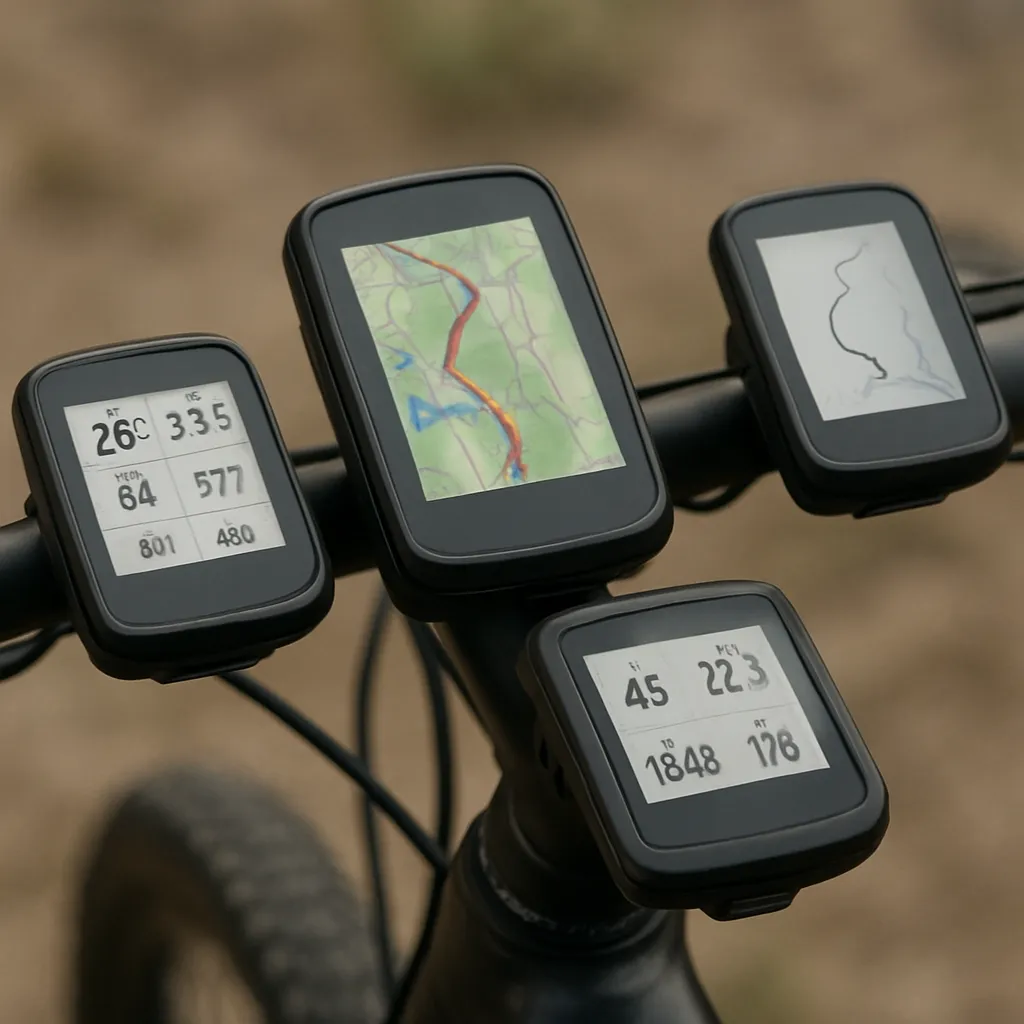
The evolution of bicycle technology has transformed simple rides into data-rich adventures, enabling riders to push their limits and explore new terrains with confidence. From basic odometers to advanced multisport GPS units, these gadgets provide invaluable insights into every pedal stroke, terrain change, and heart-pounding climb. Whether you’re a weekend warrior or a seasoned cyclist, choosing the right device can dramatically enhance your experience, optimizing performance and ensuring greater safety on the road or trail.
Essential Types of Bike Computers and GPS Devices
Bike computers and GPS devices come in various shapes, sizes, and functionalities. Understanding the core categories helps you match a device to your riding style and goals.
- Basic Odometers: These entry-level units track distance and speed, ideal for casual riders who want a simple overview without complex menus.
- GPS-Enabled Computers: Offering turn-by-turn navigation, route mapping, and altitude data, these devices cater to touring cyclists and commuters exploring unfamiliar routes.
- Performance-Focused Units: Designed for competitive racers, they integrate with power meters, heart rate monitors, and cadence sensors to deliver real-time data on wattage output, training zones, and lap splits.
- Multisport Watches: Though worn on the wrist, many multisport watches sync seamlessly with cycling mounts, offering swimming, running, and cycling profiles—perfect for triathletes seeking a consolidated training tool.
- Smartphone-Powered Setups: Utilizing a phone’s GPS and dedicated cycling apps, these setups depend on the phone for computation while the handlebar mount displays metrics. They blend affordability with extensive app ecosystems.
Key Features to Elevate Your Ride
Selecting the ideal device hinges on pinpointing which features align with your ambitions. From basic necessities to advanced sensors, here are the attributes that can make a noticeable difference:
- Screen Readability: Bright, high-contrast displays with adjustable backlighting ensure critical metrics remain visible under direct sun and during nighttime rides.
- Battery Life: Extended rides demand devices that last 10–20 hours on a single charge. Some models even support external battery packs or USB power banks for ultra-endurance events.
- Connectivity: Bluetooth, ANT+, and Wi-Fi enable seamless communication with sensors and smartphones, ensuring your training logs sync automatically to cloud platforms.
- Durability: Waterproof ratings (IPX7 or higher) and ruggedized casings guard against rain, mud, and accidental knocks, preserving functionality in harsh conditions.
- GPS Accuracy: Multi-constellation support (GPS, GLONASS, Galileo) boosts positional precision, minimizing drift when ascending narrow canyons or riding under dense tree cover.
- Route Planning & Import: The ability to download routes from third-party platforms or design custom maps on desktop software helps you tackle new adventures without memorizing every turn.
- Live Tracking & Sharing: Real-time location sharing keeps friends and family informed of your progress, adding a layer of security and community engagement to solo excursions.
- Advanced Metrics: Metrics such as power balance, stress scores, training load, and recovery time provide a comprehensive picture of your fitness journey, enabling smarter workouts.
Integrating Devices with Training and Safety Protocols
Modern cycling devices aren’t just data collectors; they serve as interactive companions that guide you through structured workouts, alert you to hazards, and ensure you stay within safe limits.
Structured Workouts and Training Plans
Leading platforms allow riders to subscribe to coach-designed plans, which sync directly to the head unit. Follow on-screen prompts for interval durations, target power zones, and recovery periods, all while your device records crucial stats to refine future sessions.
Incident Detection and Assistance
Many GPS computers incorporate crash-detection algorithms. When a sudden impact is registered, the unit can send automated alerts with your GPS coordinates to predefined contacts, enhancing your safety when riding alone on remote trails.
Health Monitoring
Integrated heart rate and temperature sensors track physiological responses, alerting you to signs of overexertion or heat stress. This real-time feedback helps prevent injuries and ensures your body adapts gradually to escalating performance demands.
Maintenance and Maximizing Device Lifespan
Proper care extends the life of your bike computer and preserves consistent accuracy. Follow these best practices to keep your device in peak condition:
- Regular Firmware Updates: Manufacturers frequently release software patches to fix bugs, improve GPS performance, and add new features. Check for updates before significant rides.
- Clean Contacts and Mounts: Dirt and sweat can corrode electrical connections. Wipe down metal contacts on both the device and mount, and ensure a snug fit to prevent wobble and sensor disruption.
- Safe Storage: Store your unit in a cool, dry environment. Prolonged exposure to extreme temperatures can degrade battery capacity and damage LCD panels.
- Battery Care: Avoid letting the battery deplete entirely. Shallow, frequent charging cycles tend to preserve lithium-ion cells better than deep discharges.
- Protective Cases: For rugged adventures, invest in a silicone or plastic shell that absorbs shocks and shields the device from direct UV exposure.
- Sensor Calibration: Periodically calibrate cadence and power sensors according to the manufacturer’s instructions to maintain consistent, reliable readings.
By selecting a device that aligns with your riding style, prioritizing key features, utilizing advanced training integrations, and adhering to proper maintenance routines, you ensure every ride is not only more enjoyable but also safer and more productive. The right bike computer or GPS unit becomes an indispensable riding partner, empowering you to explore further, train smarter, and elevate your passion for cycling through cutting-edge technology.