Embarking on a bikepacking journey with a minimalist mindset requires careful planning and thoughtful selection of equipment. This guide explores how to pair your bicycle with the most efficient and compact gear, ensuring you carry only what’s necessary without sacrificing comfort or reliability. Whether you’re tackling a multi-day trek or a weekend loop, these insights will help you streamline your load and maximize your on-trail experience.
Selecting the Right Bike and Luggage Setup
At the heart of any minimalist kit is the bicycle itself. A well-chosen frame sets the stage for weight savings and enhanced performance:
- Lightweight frame materials such as carbon or titanium reduce overall carry weight.
- Disc brakes offer consistent stopping power in varied conditions, eliminating the need for bulky rim brake spares.
- Wide tire clearance adds versatility: you can run lower pressures for comfort or switch to slicks for speed.
Next, choose a luggage system that distributes weight efficiently. A balanced setup typically includes:
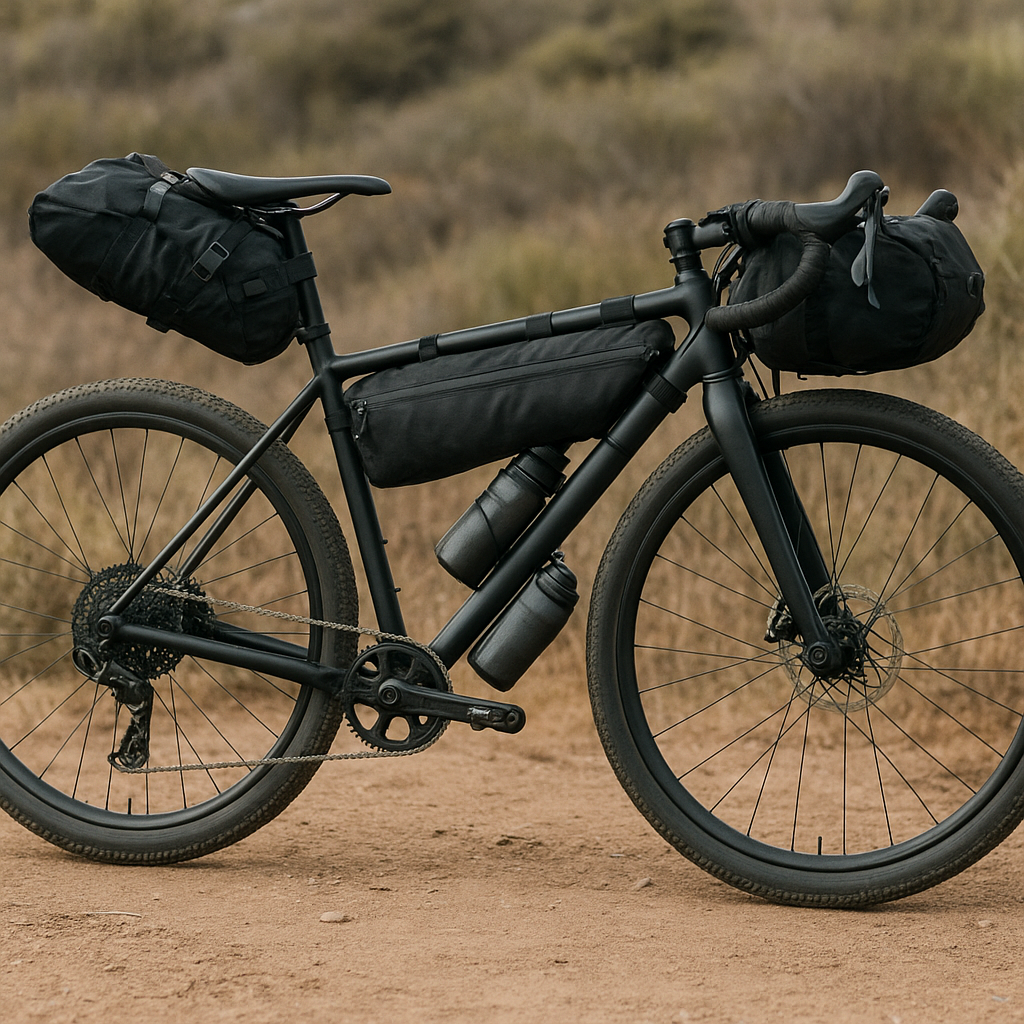
- Handlebar Roll bag for a sleeping quilt and lightweight shelter.
- Frame Bag in the main triangle to house tools, pump, and kitchen essentials.
- Seat Pack for clothing, spares, and bulkier items that can sit lower on the bike.
Prioritize durability and secure attachment points. Look for waterproof fabrics and reinforced straps to prevent flapping and chafing over rough terrain. By distributing items front to back and low on the frame, you maintain stable handling—crucial for off-road singletrack or winding gravel roads.
Essential Minimalist Camping Equipment
Minimalist bikepackers aim to carry only the necessary sleeping and shelter items, often a total of 2–3 pounds. Key pieces include:
- Ultralight Shelter: A bivy sack or 3-season tarp with minimalist poles or trekking pole modifications.
- Sleeping System: A 20–30°F quilt coupled with an inflating sleeping pad under 12 ounces.Packability matters—opt for down insulation and a stuff sack that compresses to grapefruit size.
- Groundsheet: A small footprint tarp to protect your quilt and pad from moisture and abrasion.
When choosing a shelter, consider dual-purpose features, like guy lines that double as clotheslines or modular designs that convert between hammock and ground use. Select a quilt over a mummy bag for freedom of movement and reduced weight. For ground insulation, a closed-cell foam pad can be strapped to your frame, saving pack space inside bags.
Food, Hydration, and Cooking Solutions
Fueling your body on the trail demands a balance of lightweight cooking gear and high-energy supplies. A streamlined kitchen might include:
- Ultralight Stove: Alcohol or canister stoves under 3 ounces; avoid multi-fuel models unless traversing remote regions where fuel availability is uncertain.
- Collapsible Cookset: Titanium pot (12–16 ounces) paired with a folding handle or pot lifter; consider nesting cups and utensils to save space.
- Hydration Strategy: Soft flasks, a 1L bladder, or dual 500ml bottles placed in frame bag pockets for easy access.
For nutrition, focus on calorie-dense, non-perishable items such as nuts, dehydrated fruits, and energy gels. Vacuum-sealed meal kits reduce packaging waste and compress tightly. Plan for quick rehydration dinners, like instant rice or pasta, and cold-soak options to skip cooking altogether in warm weather. Carry a lightweight filter or purification tablets instead of bulky pumps when possible.
Repair, Maintenance, and Safety Essentials
A minimalist attitude doesn’t mean skipping repairs. Equip yourself with the tools to handle common mechanical issues:
- Multi-Tool with chain tool, hex wrenches, and Torx bits.
- Two spare tubes or a tubeless repair kit with plugs and sealant.
- Compact pump or CO₂ inflator with extra cartridges.
- Lightweight first-aid kit and a small selection of patch materials for gear tears.
Keep a small roll of electrical or duct tape, cable ties, and a bit of paracord in case of frame or rack failures. An emergency bivy and signaling device (mirror or whistle) add safety without adding significant weight. Organize your tools in a dedicated bag to avoid rummaging and protect fragile items from being crushed inside frame packs. By focusing on prevention—checking torque specs before departure and inspecting tires for debris—many issues can be avoided entirely.
Maximizing Efficiency Through Packing and Route Planning
Proper packing and route selection play a pivotal role in minimalist bikepacking:
- Keep frequently used items like snacks, camera, and gloves in accessible pockets.
- Stuff clothing into voids around harder items to eliminate rattles and save space.
- Plan water sources and resupply points in advance to avoid carrying extra liters on long stretches.
- Choose routes that match your gear’s capability: smooth gravel for narrow tires, singletrack for bikes with robust suspension.
By analyzing elevation profiles and weather forecasts, you can shed unnecessary gear—no snow kit on a summer trip, for instance. Use digital mapping apps with offline capabilities to reduce the need for paper maps. Finally, test-pack your setup at home and undertake mini shakedown rides to fine-tune bag positions and ensure quick access to essential tools.