Urban centers worldwide face mounting transportation demands that challenge traditional modes of transit. As populations swell and environmental concerns intensify, bicycles—particularly electric bicycles—have emerged as a pivotal solution. This article explores the multifaceted role of bikes in shaping the future of urban transport, examining historical evolution, cutting-edge technologies, and the broader implications for sustainable cities.
Evolution of the Bicycle: From Mechanism to Modern Commuter Tool
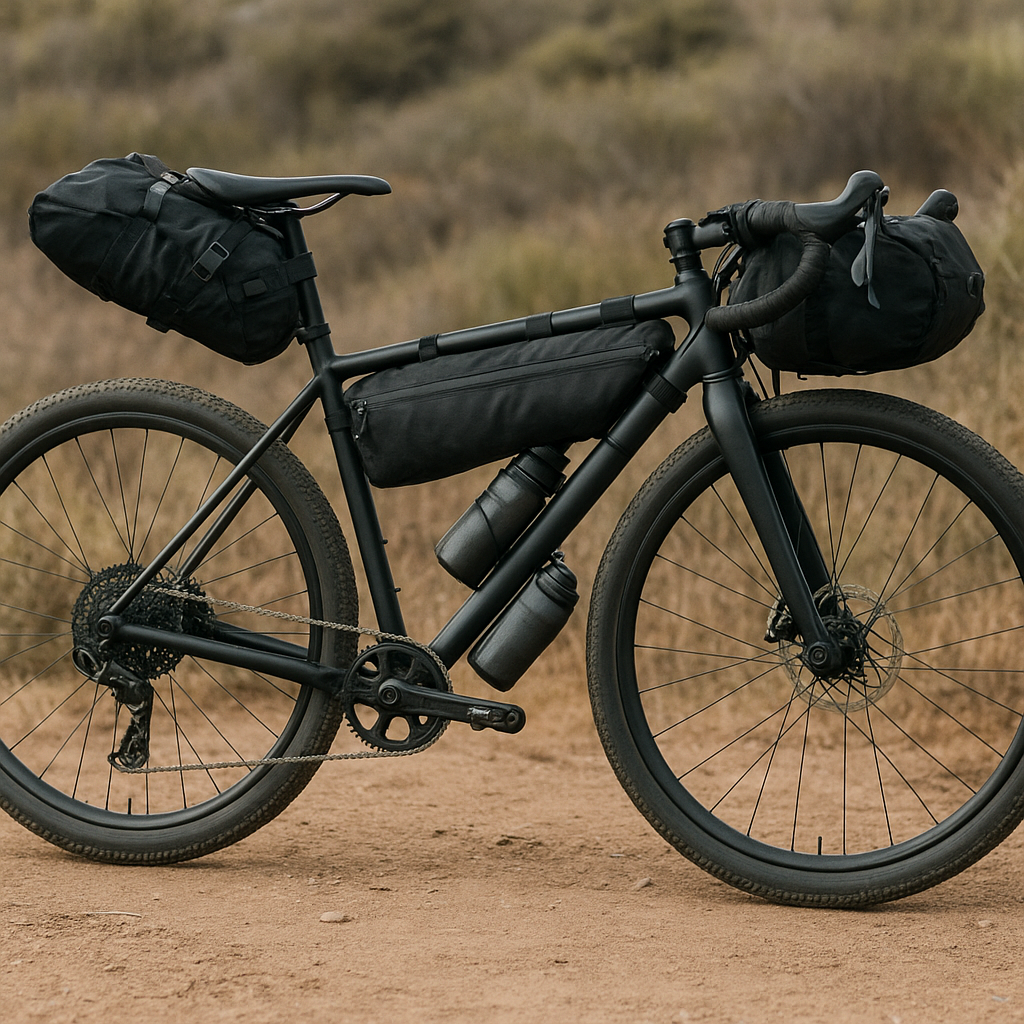
The story of the bicycle stretches back to the early 19th century when simple wooden frames and iron wheels embodied the spirit of innovation. From the “draisine” invented by Karl Drais to the high-wheel penny-farthing and ultimately the diamond-frame safety bicycle, each iteration expanded the realm of personal mobility. Over time, manufacturers refined materials—transitioning from heavy steel to lightweight aluminum and carbon composites—enhancing speed, comfort, and durability.
By the late 20th century, bicycles had evolved beyond recreational use and fitness. They became critical urban transport options, prized for affordability, health benefits, and ability to navigate congested streets. The simple mechanism of chain-and-sprocket transmission gave way to derailleur systems offering multiple gears, making cycling accessible on varied terrains. This shift laid the groundwork for today’s most transformative development: the electric bicycle.
Electric Bicycles: Technology and Impact
Battery and Motor Systems
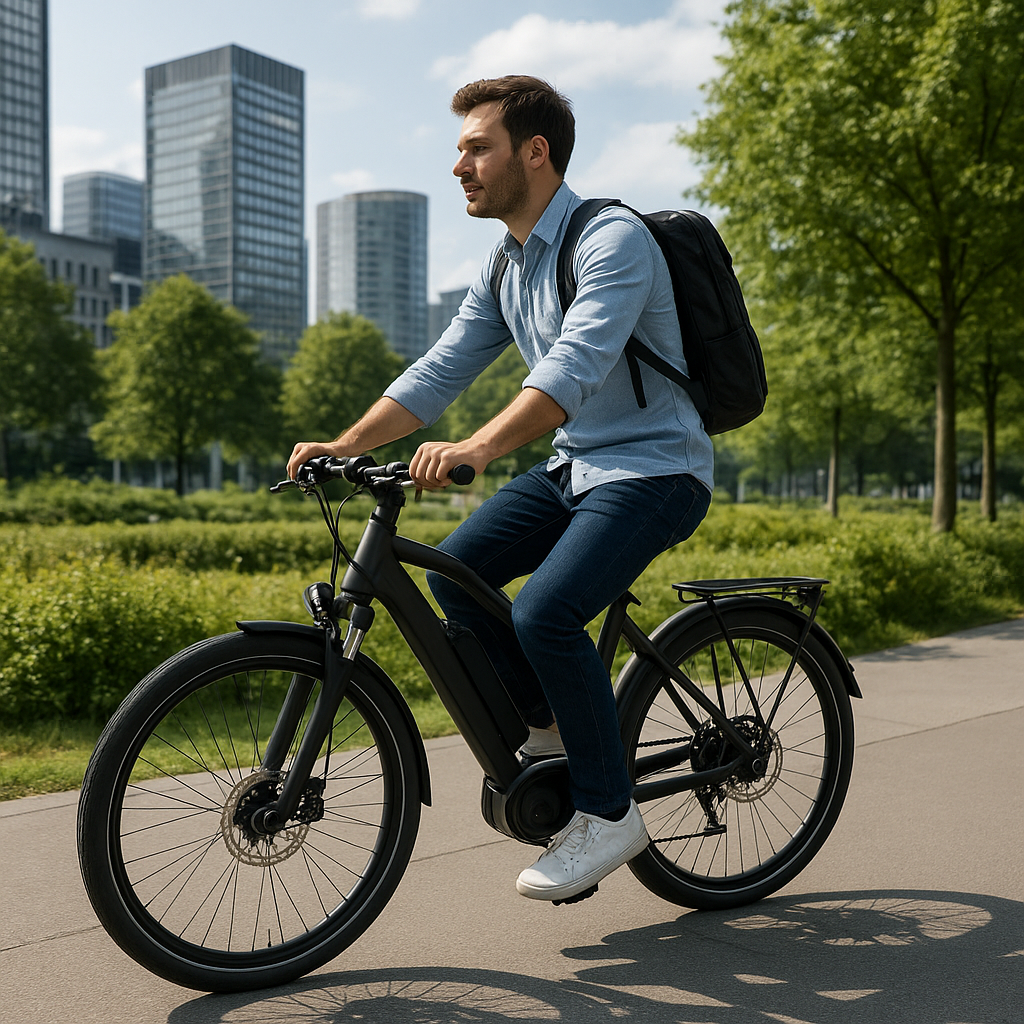
Electric bicycles harness advances in battery and motor technology to provide riders with pedal-assist or full-throttle power. Modern e-bike batteries, usually lithium-ion packs, deliver sustained energy at a fraction of the weight of early prototypes. The integration of brushless DC motors within the rear hub or mid-drive systems at the crankset ensures efficient torque distribution. As a result, e-bikes offer riders supplementary power on steep inclines, reduce fatigue on long commutes, and maintain emission-free travel.
Manufacturers continue to push boundaries, exploring solid-state batteries for higher energy density and faster charging. Regenerative braking systems, once exclusive to electric cars, are now appearing on premium e-bikes, recouping a portion of kinetic energy during deceleration. These innovations promise to further extend range and enhance the overall user experience.
Design and Rider Experience
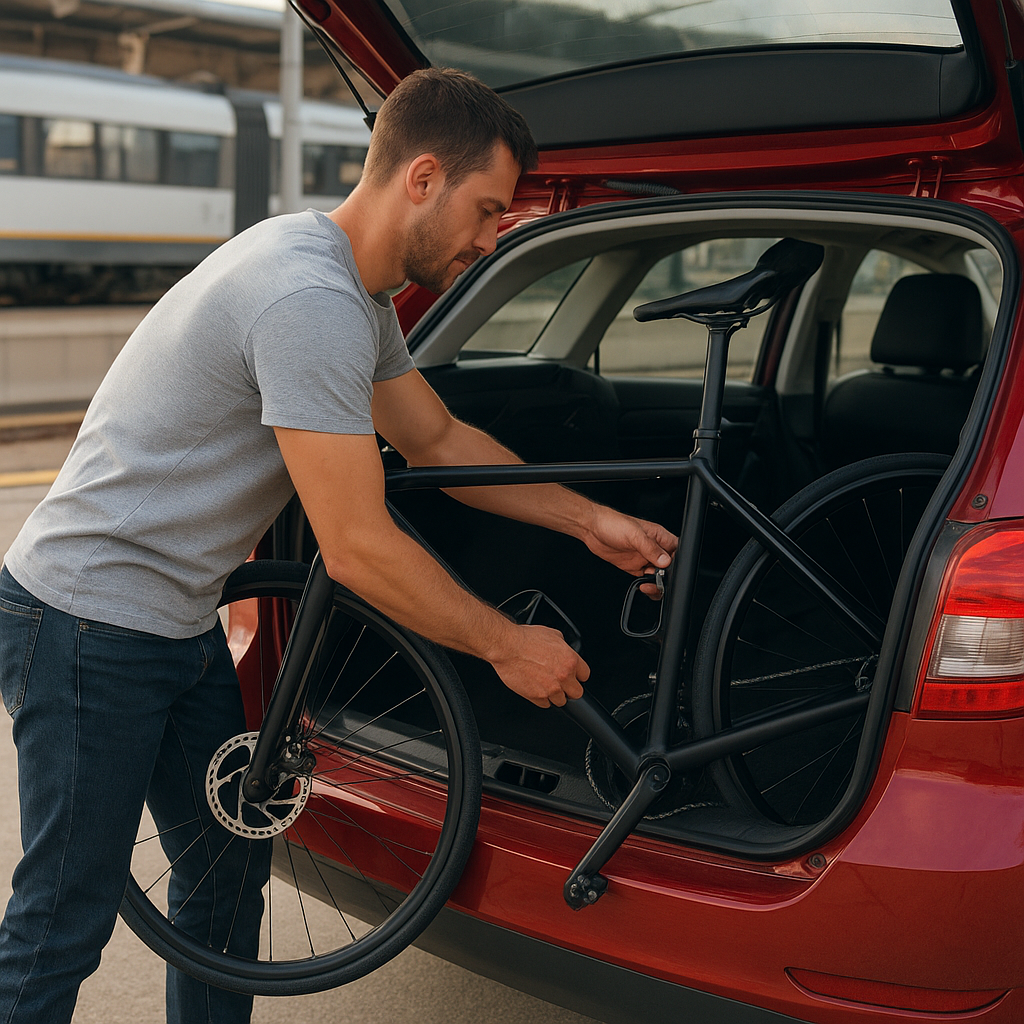
Beyond raw performance metrics, design plays a pivotal role in making e-bikes appealing to diverse demographics. Cargo e-bikes with reinforced frames and large front or rear baskets address last-mile logistics for small businesses and urban deliveries. Step-through frame models prioritize ease of mounting and dismounting for riders wearing professional attire. Folding e-bikes cater to commuters who combine cycling with public transit, emphasizing compactness without sacrificing ride stability.
Smart interfaces equipped with digital displays, Bluetooth connectivity, and GPS navigation transform the e-bike into a connected device. Riders can track performance metrics such as speed, distance, and battery life, syncing data to smartphone apps for route optimization. This integration elevates cycling from a simple mode of transport to an interactive, data-driven experience.
Sustainability and Urban Integration
Replacing short car trips with **bicycle** rides yields substantial environmental dividends. Studies indicate that for journeys under five kilometers, e-bikes can reduce per-trip CO₂ emissions by up to 90% compared to petrol vehicles. Widespread adoption of bikes contributes to cleaner air, reduced noise pollution, and lower dependence on finite fossil fuels. Cities that prioritize cycling infrastructure demonstrate measurable improvements in public health, with decreased rates of respiratory illnesses and obesity.
Key Sustainability Benefits:
- Infrastructure Efficiency: Bike lanes require less space and cost less to construct and maintain than roadways for cars.
- Resource Conservation: Manufacturing a bicycle demands far fewer raw materials than building a car, promoting a eco-friendly lifecycle.
- Resilience in Emergencies: Bicycles remain operable during fuel shortages or power outages, ensuring continuous mobility.
- Accessibility: Affordable bicycle-share programs offer public transit alternatives to low-income residents.
- Mobility Equity: Inclusive design ensures people of all ages and abilities can travel independently.
Supporting Infrastructure and Policy Measures
Urban planners and policymakers play a decisive role in integrating bicycles into the wider transit ecosystem. Comprehensive networks of protected bike lanes, bike boulevards, and intersection treatments minimize conflicts with motor vehicles, boosting rider confidence. Secure parking facilities, including covered racks and electronic bike lockers, address theft concerns and encourage longer stays in commercial districts.
Policy instruments such as tax incentives, purchase subsidies, and employer-sponsored commuter benefits reduce the upfront cost of e-bikes. Cities like Amsterdam and Copenhagen, long regarded as cycling capitals, have demonstrated that committed investments in cycling infrastructure yield high returns in economic productivity and quality of life.
Challenges and Future Directions
Despite their advantages, bicycles face obstacles that temper growth. Safety remains a paramount concern: interactions between fast-moving e-bikes and vulnerable road users can lead to accidents. Standardizing regulations around speed limits, helmet use, and right-of-way rules is essential to harmonize cycling culture across jurisdictions.
Battery disposal and recycling pose environmental questions as e-bike fleets expand. Effective collection programs and advancements in battery chemistry will be crucial to minimize hazardous waste. Moreover, equitable access must remain a priority; without deliberate measures, the digital divide and income disparities risk leaving some communities behind.
Emerging Trends to Watch:
- Swappable battery networks enabling uninterrupted long-distance travel.
- Integration with ride-hailing platforms offering combined e-bike and e-scooter services.
- Autonomous cargo bikes for logistics, reducing last-mile delivery footprints.
- Advanced materials like graphene-reinforced composites for ultra-light frames.
- Peer-to-peer sharing platforms enhancing community-based mobility.
The trajectory of urban mobility is increasingly shaped by two-wheeled solutions that prioritize electrification and integration. As technology matures and infrastructure evolves, bicycles and e-bikes stand at the forefront of sustainable transportation, promising cleaner cities and empowered communities.