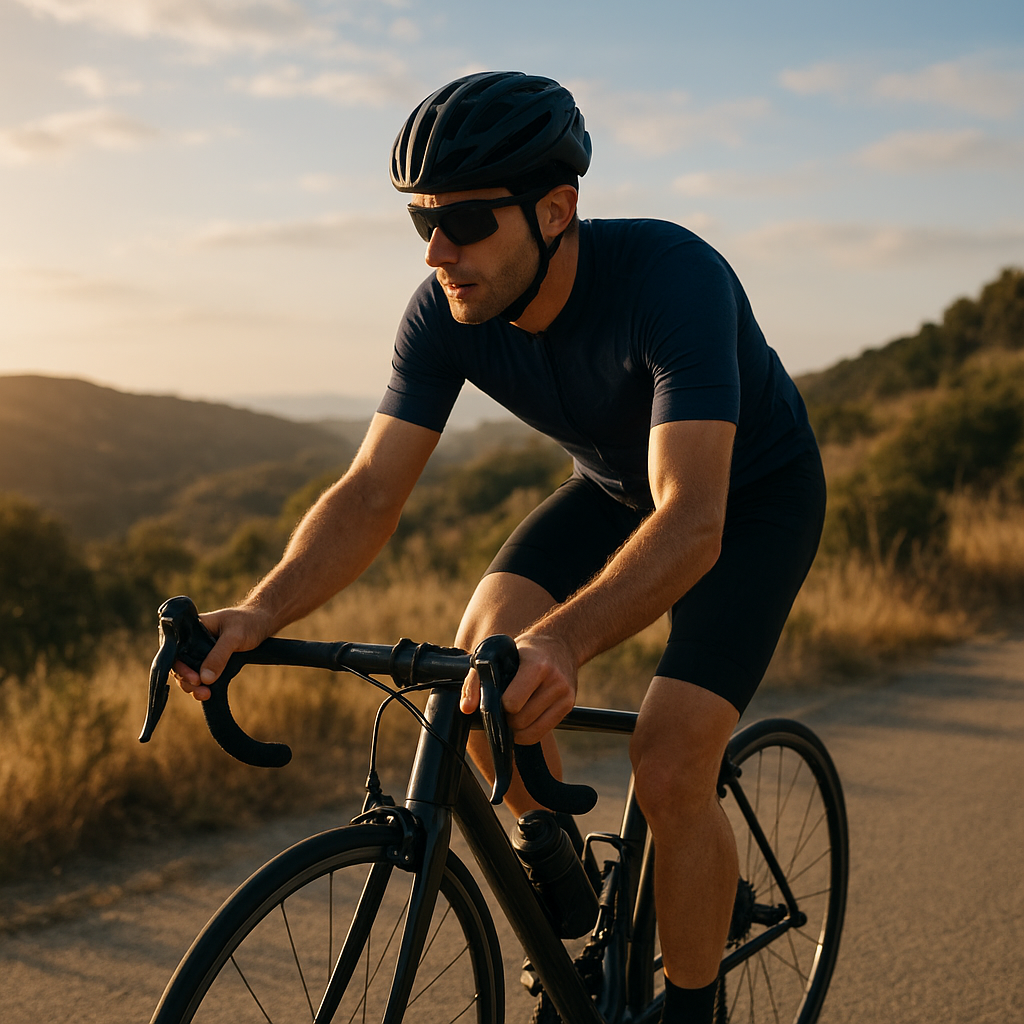
Cycling offers an ideal blend of freedom, exploration, and physical challenge. Riders of all levels—from casual commuters to competitive athletes—rely on a balance of equipment, technique, and nutrition to maximize their experience. Among the myriad factors influencing a successful ride, proper hydration remains one of the most critical, yet often overlooked, elements. Whether you’re navigating rugged trails or cruising city streets, maintaining optimal fluid levels can dramatically enhance your performance, prevent fatigue, and safeguard your overall health.
The Role of Hydration in Cycling Performance
Staying well-hydrated is far more complex than simply quenching thirst. During a ride, your body loses water through sweating and breathing. In warm conditions or during high-intensity efforts, fluid losses can exceed one liter per hour. Without adequate replacement, dehydration can set in, causing reduced blood volume, impaired muscle function, and diminished cognitive clarity. Even a small deficit of two percent of body weight can decrease strength, endurance, and decision-making capacity—critical factors for safety when handling a bicycle at speed.
Physiological Impacts
- Reduced efficiency in thermoregulation, leading to overheating
- Elevated heart rate and perceived exertion for a given power output
- Slower muscle recovery and higher risk of cramps due to electrolyte imbalance
- Potential impairment in coordination, balance, and reaction time
Given these risks, cyclists must adopt a structured hydration strategy rather than relying on instinct alone. Developing a routine that covers pre-ride, on-bike, and post-ride phases will ensure your body maintains steady fluid balance.
Practical Strategies for Staying Hydrated on the Bike
Implementing a hydration plan begins long before you mount your bicycle. Preloading with fluids prepares your system for the demands ahead. Aim to consume 500–600 milliliters of water or a balanced sports drink in the two hours leading up to your ride. This approach allows sufficient time for absorption and helps top off your body’s reserves.
On-the-Ride Hydration Techniques
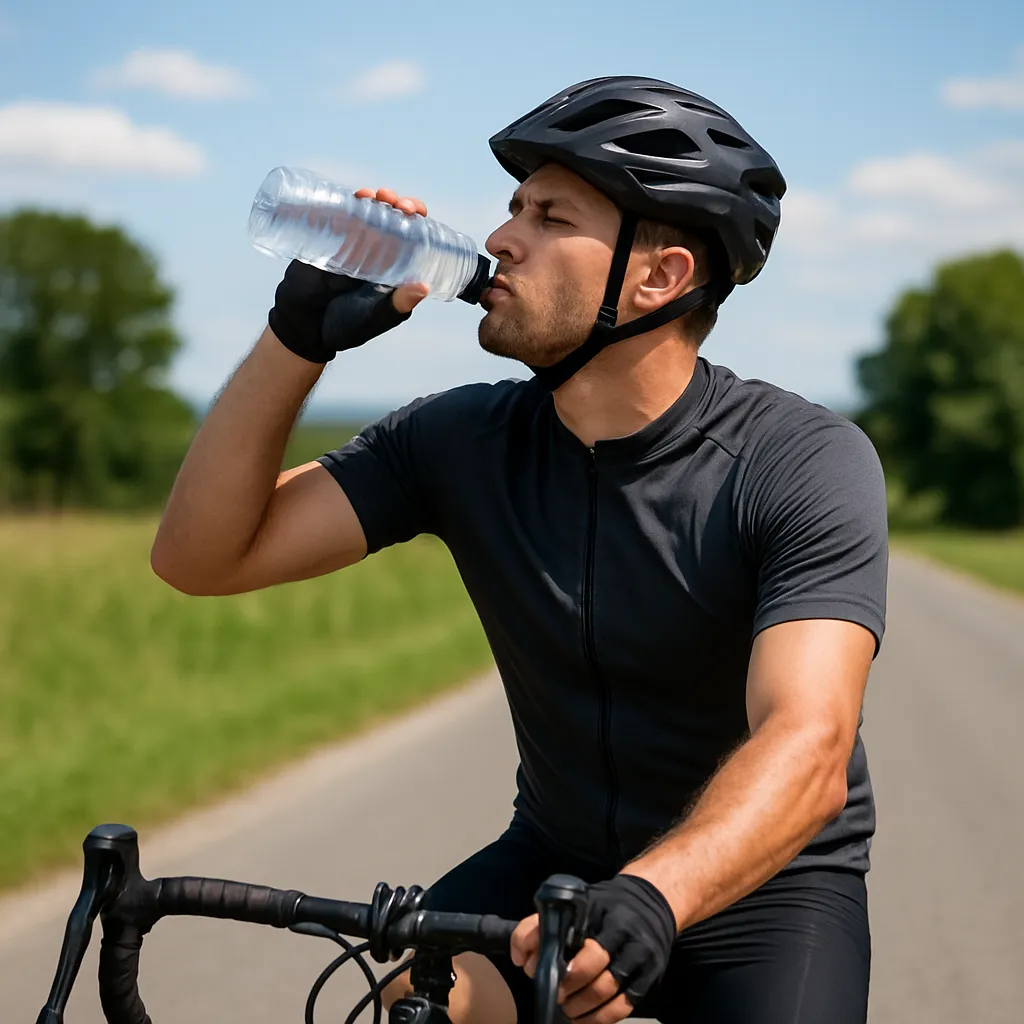
Once on the road or trail, aim to sip rather than gulp. Consistent, small intakes of fluid are more rapidly absorbed and less likely to cause gastrointestinal discomfort. A general guideline is 150–250 milliliters every 15–20 minutes, adjusted for temperature, intensity, and personal sweat rate. If you’re riding for over 60 minutes, incorporate an electrolytes-containing beverage to replenish sodium, potassium, and magnesium lost through sweat.
- Use a water bottle mounted in a sturdy cage for easy access
- Consider a hydration pack with an insulated tube for longer excursions
- Monitor urine color post-ride as a barometer of overall fluid status
- Plan routes that include known water refill points, such as parks or convenience stores
On especially hot days, taking advantage of natural shade and reducing effort on steep climbs can also help manage fluid loss and body temperature. If you begin to feel dizzy, experience dry mouth, or notice a headache, these may be early signs of dehydration, and you should pause to rehydrate immediately.
Choosing the Right Gear for Effective Hydration
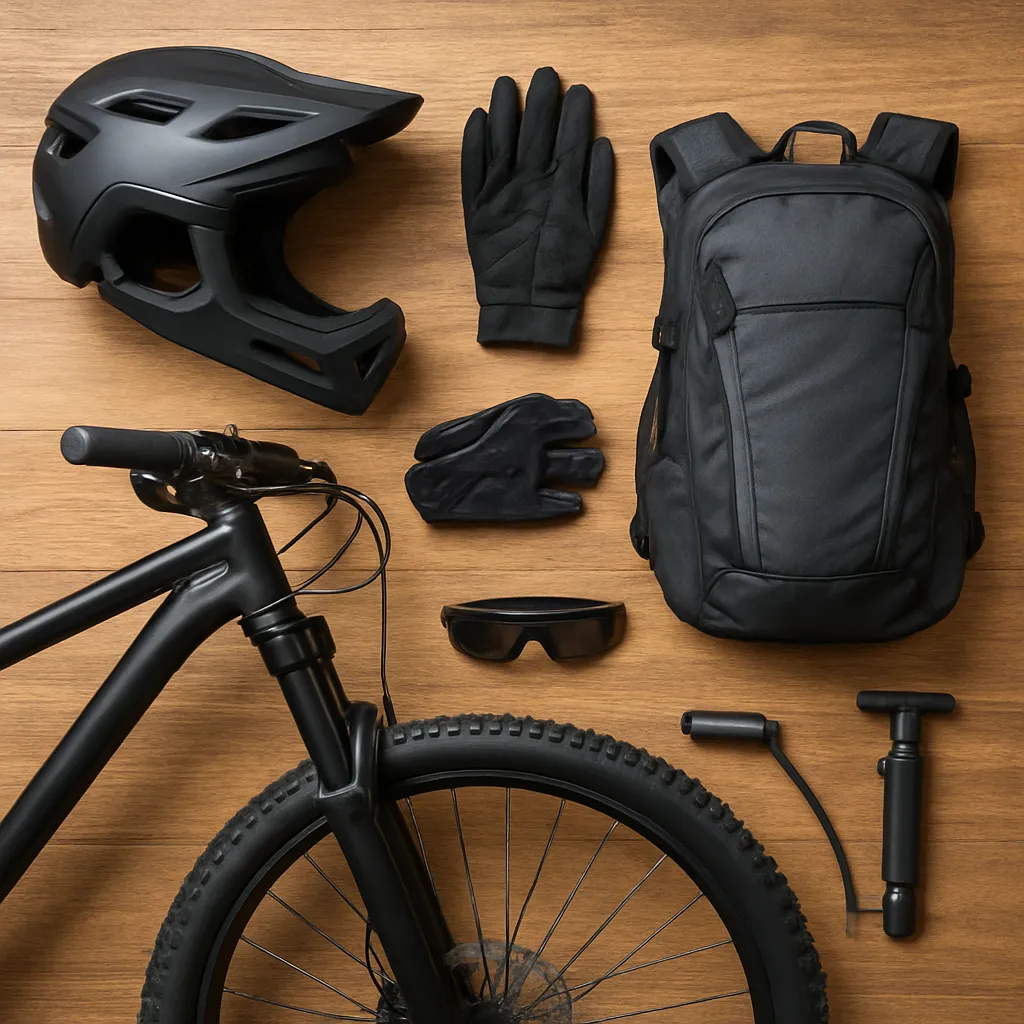
While technique is crucial, having the appropriate equipment can streamline your hydration routine. Bicycles come in various designs, from lightweight road frames to rugged mountain setups. Integrating hydration accessories should complement, not hinder, overall performance.
Bottle Cages and Insulation
Selecting the right bottle cage involves balancing weight, durability, and ease of use. Carbon cages offer featherlight design but can be costly, while polymer or aluminum options deliver reliable performance at a budget-friendly price. To maintain a cool drink, consider insulated bottles crafted from double-wall construction or add detachable sleeves that minimize heat transfer.
Hydration Packs and Vests
For riders venturing beyond 90 minutes or tackling remote trails, a hydration pack can be a game-changer. These backpacks or vests house a reservoir holding up to 3 liters of fluid, equipped with a bite valve for hands-free drinking. Many models also include pockets for tools, snacks, and electronics, helping you stay organized and efficient on extended outings.
- Ensure a snug fit to prevent bounce and chafing during rough terrain
- Choose packs with antimicrobial linings to reduce mold and bacteria buildup
- Look for quick-fill openings to speed up post-ride cleaning and drying
When selecting gear, always test it during shorter rides to confirm comfort and functionality before committing it to long-distance adventures.
Optimizing Nutrition and Fluid Balance
Hydration and nutrition go hand in hand. Water alone does not supply carbohydrates or electrolytes required for sustained endurance. Pairing your fluids with energy sources can improve performance and speed recovery. Many sports drinks offer a blend of fast-absorbing sugars and minerals, providing dual benefits in a single sip.
Fueling Strategies
Incorporate small snacks every 45–60 minutes. Options include energy gels, bars, dried fruit, or nut-based bites. These compact foods deliver quick calories without excessive bulk. Match snack selection to drink preference—some fluid formulas mix easily with certain gels, creating a smooth consistency that’s gentle on the stomach.
- Alternate between water and sports drinks to prevent palate fatigue
- Choose low-fiber foods to minimize gastrointestinal distress
- Consider caffeine-infused gels for an extra alertness boost
Post-ride, prioritize a meal rich in protein, carbohydrates, and fluids. Chocolate milk, smoothie bowls, or balanced recovery drinks can replenish glycogen stores, repair muscle tissue, and restore electrolytes—all essential for rapid recovery.
Environmental Considerations and Safety Measures
Cycling environments vary widely, from sun-drenched roads to forested singletracks. Each terrain and climate presents unique hydration challenges. Wind can accelerate fluid loss through evaporation, while cold weather may blunt your thirst signals, increasing the risk of unknowingly riding in a dehydrated state.
Heat and Humidity
In high heat or humidity, sweat rates rise, and evaporation is less efficient. Riders should up their fluid intake by 10–20 percent compared to temperate conditions. Wearing breathable, moisture-wicking fabrics and utilizing sun-protective helmets can also reduce thermal strain.
Cold Weather Riding
Low temperatures can mask dehydration because the body redirects blood flow internally to maintain core warmth. Despite cooler air, fluid loss persists, especially on long descents where wind chill increases evaporation. Heated bottle cages or insulated reservoirs help prevent liquids from freezing and ensure you have access to fluids when you need them.
- Plan breaks indoors or sheltered areas to rehydrate comfortably
- Use warm, sweet drinks to encourage intake in cold conditions
- Track fluid consumption on your bike computer or mobile app
Always communicate your route and hydration plan to a riding partner or friend, ensuring assistance is available if you encounter any difficulties.
The Psychology of Consistent Hydration Habits
Creating a lasting hydration habit extends beyond technical know-how; it involves mental commitment and routine-building. Many cyclists underestimate their daily fluid requirements, leading to inconsistent practices. To foster consistency, integrate reminders into your riding checklist: pre-fill bottles, pack electrolyte mix, and confirm hydration gear is ready the night before your ride.
Behavioral Triggers
Set alarms or use cycling apps to prompt sips at regular intervals. Incorporate tangible checkpoints—such as road signs or trail markers—to remind you to drink. Over time, these cues reinforce the habit, ensuring you maintain optimal fluid levels almost unconsciously.
- Review hydration logs to identify patterns and adjust strategies
- Reward yourself for meeting daily fluid goals with non-food incentives
- Share goals and achievements with a cycling group for social accountability
Employing these psychological tactics helps embed consistency into your routine, making proper fluid management as automatic as adjusting tire pressure or checking brakes.
Integrating Hydration with Overall Cycling Safety
Beyond boosting performance, adequate hydration underpins the fundamental safety of any ride. Dehydration elevates the risk of heat-related illnesses, dizziness, and impaired judgment. A cyclist operating with compromised cognitive function may misread traffic, handle obstacles poorly, or make suboptimal gear changes—all of which can lead to accidents.
Emergency Preparedness
Every cyclist should carry a basic emergency kit that includes additional water, electrolyte powder packets, and high-energy snacks. In remote areas, a portable water filter or purification tablets can prove invaluable if you encounter a natural water source. Pair this with a reliable communication device and a compact first-aid kit to cover unexpected mishaps.
- Rotate hydration gear regularly to ensure cleanliness and longevity
- Check bottle seals and reservoir valves for leaks before each ride
- Calibrate your bike computer to account for stops and starts when tracking intake
By weaving hydration seamlessly into your broader safety strategy, you empower yourself to handle both the routine demands of cycling and unforeseen challenges on the road or trail.