Cycling has evolved from a simple mode of transport into a global movement focusing on health, environment, and urban mobility. Riders of all ages embrace two wheels to commute, exercise, and explore. Yet, amid the joy of open roads and bike lanes, the topic of head protection sparks heated debate. Addressing the controversy requires separating perception from reality, and understanding why a sturdy helmet remains a crucial piece of every cyclist’s gear.
Why Bicycle Safety Cannot Be Ignored
Every year, millions of people mount bicycles with the confidence that their journey will be incident-free. However, statistics reveal that falls and collisions still contribute to a significant number of head injuries worldwide. While not every spill leads to severe harm, even a minor crash can produce unexpected consequences. The key to reducing risk lies in acknowledging that no rider, regardless of skill level, is immune to sudden hazards such as potholes, vehicle doors swinging open, or slippery surfaces.
Wearing a properly certified helmet offers a measurable advantage when a collision occurs. Laboratory tests simulate high-force impacts to demonstrate how the shell and inner liner work together to absorb energy. By dispersing force away from the skull, a helmet minimizes the chance of fractured bones or brain trauma. Ignoring this layer of protection is akin to ignoring seat belts in cars: seemingly optional until it’s too late.
Moreover, bicycle accidents do not only involve high-speed descents. Urban cyclists navigating crowded streets face risks at every intersection. Even at moderate speeds, a fall can result in concussions or facial injuries. By committing to safety, riders contribute to a culture that values personal well-being and encourages responsible behavior on shared roads.
Common Myths About Bicycle Helmets
Despite overwhelming support from medical professionals, myths continue to cloud public opinion. Below is a list of prevailing misunderstandings:
- Myth 1: Helmets Reduce Peripheral Visibility – Many claim that a snug cap blocks side views. Modern designs, however, feature carefully trimmed visors and open vents that maintain a wide field of vision.
- Myth 2: Helmets Are Uncomfortable in Summer – Advances in materials have led to lightweight shells and strategic ventilation, keeping the wearer cool during hot rides.
- Myth 3: Helmets Are Only for Beginners – Professional cyclists and Olympic champions wear protective headgear consistently. At elite levels, the choice reflects both safety and aerodynamic performance.
- Myth 4: It’s Illegal to Wear a Helmet While Racing – In most jurisdictions, helmet use is mandatory during races to align with international safety standards.
These misconceptions persist because anecdotal evidence often outweighs data in casual conversations. Dispelling them helps riders make informed decisions based on engineering and medical findings instead of hearsay.
Evidence-Based Facts on Helmet Use
Research from trauma centers and public health agencies consistently shows a reduction in head injuries when helmets are worn. One study indicated that properly fitted helmets can decrease the risk of impact-related fatality by up to 45%. In hospitals, physicians routinely observe less severe contusions, fewer skull fractures, and lower rates of intracranial bleeding among helmeted cyclists.
Further analysis reveals that routine use of head protection also improves rider mindset. Knowing they are shielded against unexpected blows encourages more confident maneuvering. This psychological benefit translates to smoother traffic integration and fewer panic reactions when obstacles appear.
Helmet manufacturers invest in third-party testing facilities, ensuring that each product meets or exceeds regulatory benchmarks. Certifications such as CPSC, EN 1078, and ASTM F1447 signal rigorous evaluation under controlled conditions. When selecting a helmet, riders should verify these labels to guarantee genuine protection rather than unverified marketing claims.
Choosing the Right Helmet and Maintenance
Not all helmets are created equal. Factors to consider include construction material, shell shape, padding quality, and retention systems. A well-designed helmet balances durability with weight management, offering a snug fit without causing pressure points. Brands often provide adjustable straps and dial-fit mechanisms to fine-tune the grip around the head.
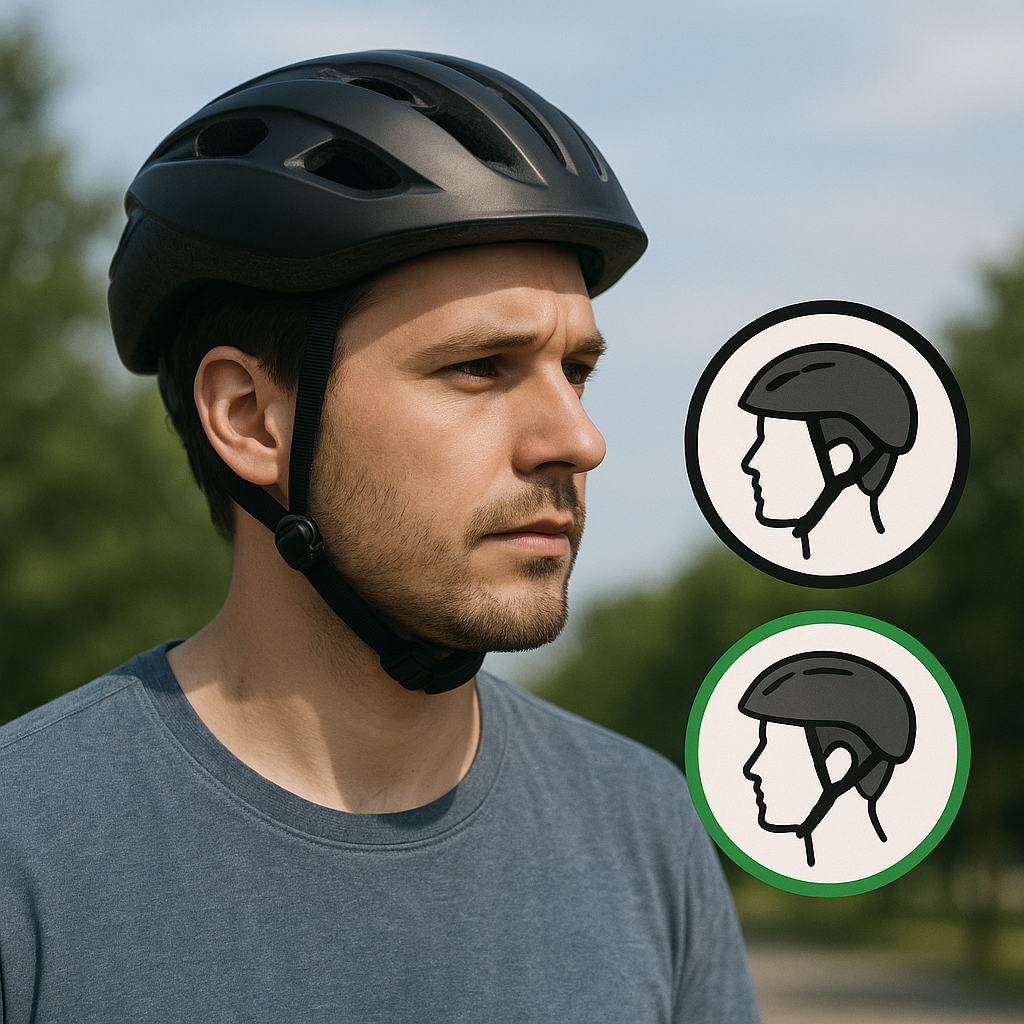
Proper sizing demands measuring the circumference at the brow line, then referring to the manufacturer’s chart. Once on the head, the helmet should sit level, covering the forehead without tilting upward. Straps form a V-shape under each ear and tighten with a single buckle beneath the chin, allowing only one or two fingers’ width of slack.
Maintenance is equally vital. After any significant crash, helmet integrity may be compromised, even if damage isn’t visible. Experts recommend replacing helmets every five years or sooner if the inner liner shows signs of compression or cracks. Regular cleaning with mild soap and lukewarm water preserves comfort and hygiene, preventing sweat buildup from weakening the materials.
The Role of Infrastructure and Community Efforts
While personal gear plays a central role in injury prevention, broader improvements in urban planning and cycling advocacy amplify the benefits of helmet use. Cities that prioritize protected bike lanes, clear signage, and traffic-calming measures create an environment where riders feel safer and motorists become more accustomed to sharing the road.
Community workshops and school programs that teach children basic bike maintenance and safe riding practices further reinforce responsible habits. These initiatives often include free or subsidized helmet distribution, ensuring that cost does not become a barrier to safety.
Ultimately, a collaborative approach—combining individual safety gear, sound infrastructure, and public education—forms the backbone of a thriving cycling culture. Riders, local governments, and advocacy groups must all engage in open dialogue to foster conditions where cycling is both enjoyable and secure.