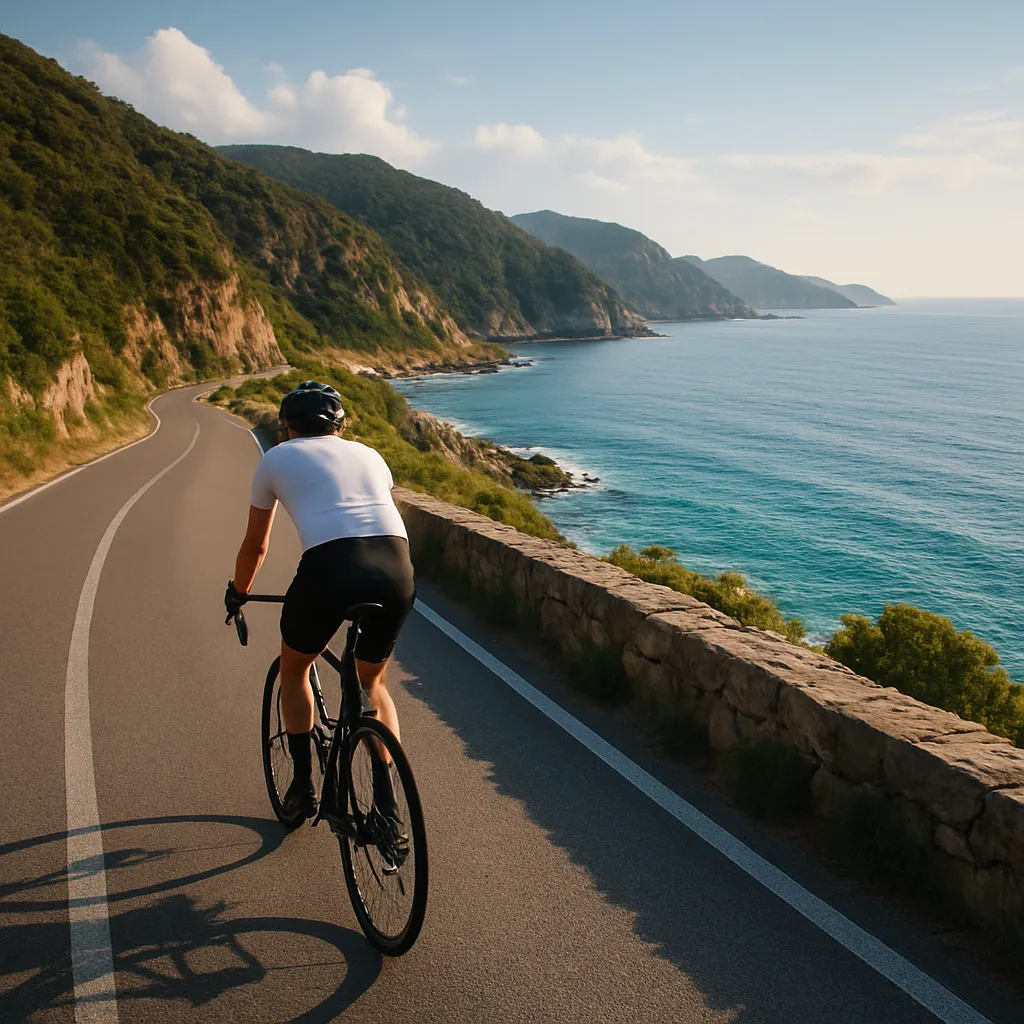
Embark on a scenic voyage where salt-kissed breezes meet the hum of bicycle wheels. Coastal cycling is not just a mode of transport; it’s an adventure that awakens all your senses. From dramatic cliffs that plunge into turquoise waters to endless stretches of sandy beaches, coast-hugging routes reveal hidden villages, historic lighthouses, and local cultures waiting to be explored. Whether you’re a seasoned rider or a curious novice, the world’s shorelines offer an unmatched blend of scenery, tranquility, and physical challenge. Pack your helmet, adjust your saddle, and prepare for an unforgettable journey.
Top Coastal Cycling Routes Around the World
Amalfi Coast, Italy
The Amalfi Coast is an epic tapestry of sun-drenched cliffs, lemon groves, and pastel villages perched above the Mediterranean. The route from Sorrento to Amalfi spans roughly 50 kilometers of winding roads, offering countless viewpoints over azure sea inlets. Riders navigate cobblestone lanes and hairpin turns, pausing to sample local delicacies like fresh mozzarella and limoncello. The contrast between steep ascents and rewarding descents makes it both a physical challenge and a visual delight.
Shimanami Kaido, Japan
Linking Honshu and Shikoku islands, the Shimanami Kaido is a 70-kilometer network of bridges and cycling paths that traverse serene bays dotted with tiny islets. Equipped with rental bicycles at each entry port, cyclists glide past citrus orchards, historic castles, and fishing villages. A series of well-maintained rest areas features bike repair stations and panoramic viewing platforms. This route blends modern infrastructure with culture and tradition, making it ideal for riders seeking both comfort and authenticity.
Great Ocean Road, Australia
Australia’s iconic Great Ocean Road stretches along Victoria’s coastline for over 240 kilometers. Although known for its dramatic rock formations like the Twelve Apostles, the coastal cycleway offers a quieter path through eucalyptus forests, rugged headlands, and secluded coves. Cyclists encounter kangaroos grazing roadside and local wineries perfect for afternoon tastings. Ocean swells crashing against limestone cliffs add an exhilarating soundtrack to every pedal stroke.
Pacific Coast Bicycle Route, USA
Spanning over 1,600 kilometers from Vancouver to San Diego, the Pacific Coast Bicycle Route is a bucket-list journey through diverse landscapes: temperate rainforests in Washington, golden beaches in Oregon, and sun-soaked deserts in Southern California. Riders camp beneath towering redwoods, picnic on beaches at sunset, and dip their tires in the Pacific at the journey’s end. Supportive community networks ensure easy access to bike-friendly cafés and repair shops.
Algarve Coastal Way, Portugal
The Algarve’s coastline is famed for hidden caves, sandy bays, and dramatic headlands. This 200-kilometer trail links fishing villages and cliff-top promenades, offering frequent stops to relish fresh seafood and Portuguese pastries. Well-marked lanes take cyclists through prime birdwatching hotspots and salt marshes—an ideal combination of leisure cycling and wildlife observation.
Essential Gear and Safety Tips for Coastal Rides
Coastal routes bring unique challenges: strong crosswinds, rapid weather changes, and salt-laden air. Proper preparation is key to a safe and enjoyable expedition.
- Choose a reliable touring or gravel bike with corrosion-resistant components and wider tires for stability on mixed surfaces.
- Invest in high-quality waterproof panniers or bikepacking bags to protect belongings from spray and sudden downpours.
- Wear layered, quick-drying clothing and a breathable windbreaker. A UV-rated jersey helps shield skin from intense coastal sun.
- Pack a comprehensive repair kit: spare tubes, tire levers, multi-tool, chain lube, and a compact pump.
- Carry sufficient nutrition—energy bars, electrolyte tablets, and lightweight cooking gear if camping along the way.
- Hydration systems or two water bottles are essential, as fresh water can be scarce between remote coastal towns.
- Use a GPS device or smartphone loaded with offline maps. Coastal landmarks can be deceiving, and reliable navigation prevents unintended detours.
- Respect local speed limits and share the road courteously with motorists, pedestrians, and fellow cyclists.
- Regularly inspect brakes and gear shifting components as salt spray can accelerate wear.
Embracing the Coastal Cycling Lifestyle
Cycling along coastlines is about more than just accumulating miles. It’s a chance to connect with nature’s rhythms, find inner wellness, and become part of a global tribe of explorers. Local communities often warmly welcome touring cyclists, offering homestays or joining communal beachside barbecues. Sampling regional cuisine—fresh shellfish in Brittany, ceviche on Mexico’s Baja Peninsula, or fish tacos in Southern California—turns every mealtime into a cultural exchange.
Many riders adopt sustainable practices: avoiding single-use plastics, supporting eco-friendly accommodations, and choosing locally sourced produce. Coastal cycling communities organize clean-up rides to remove debris from beaches and trails, fostering an ethic of environmental stewardship. This hands-on approach to conservation deepens your bond with each landscape.
Physical and Mental Benefits
- Enhanced cardiovascular fitness from long-distance pedaling.
- Stress reduction through rhythmic movement and ocean vistas.
- Improved balance and core strength on variable terrain.
- Mindfulness and creativity sparked by ever-changing shorelines.
Planning and Logistics for Unforgettable Journeys
Effective planning transforms a good ride into an extraordinary one. Begin by researching seasonal weather patterns—some coastal routes can be prone to fog, strong gusts, or monsoon rains. Book accommodation well in advance during peak months; charming guesthouses and family-run B&Bs fill up quickly on popular routes.
Decide between carrying your own bike or renting locally. Many destinations offer reliable rental services, including quality touring and electric bikes. E-bikes are particularly useful for tackling steep coastal grades with less fatigue, while still giving you the freedom to explore at your own pace.
Budget considerations include ferry crossings, park entrance fees, and dinner at waterfront restaurants. Group tours provide support vehicles, guided options, and social camaraderie, whereas solo travel offers complete freedom to improvise. Research visa requirements, health advisories, and bike import regulations if crossing international borders by land or sea.
Finally, create a flexible itinerary: allow buffer days for rest, unexpected weather, or enticing detours. By balancing structure with spontaneity, you’ll arrive at each sunrise rejuvenated and ready to embrace the next chapter of your coastal cycling saga.