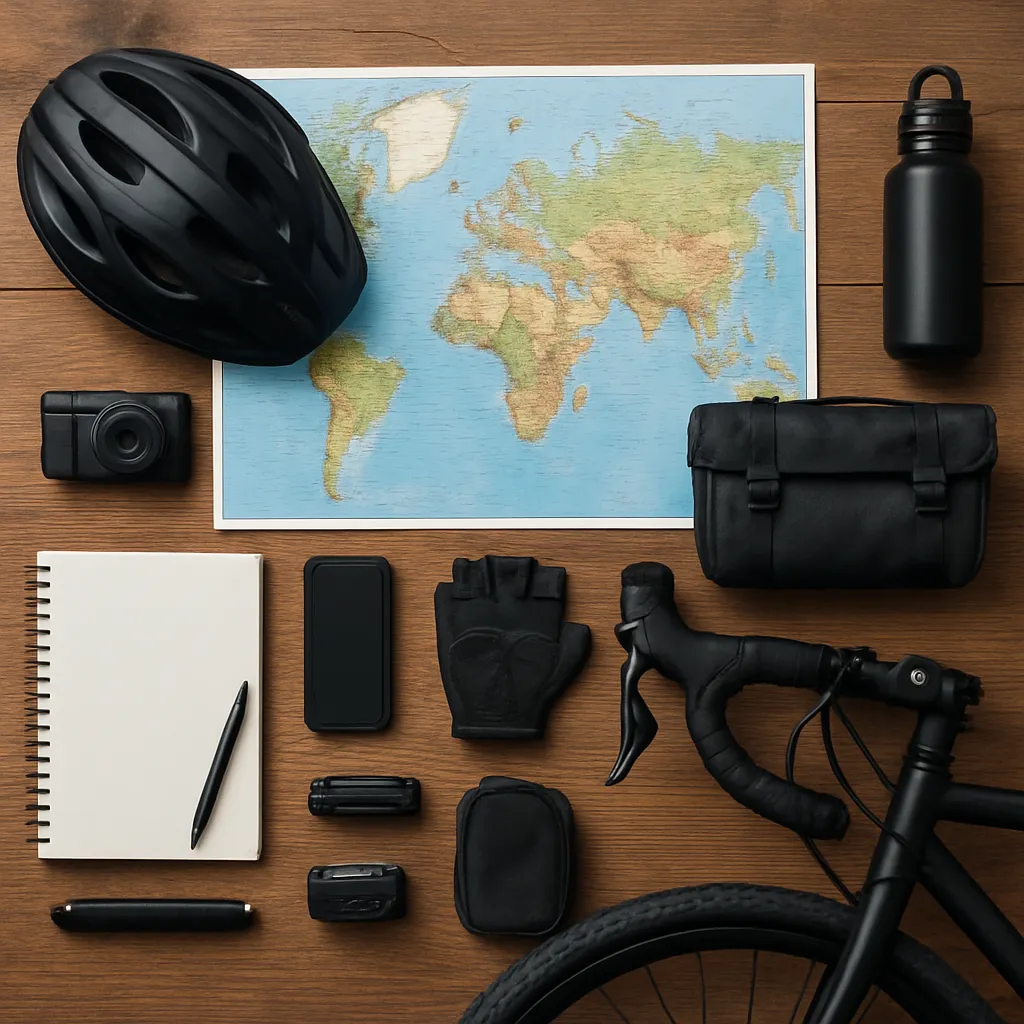
The world of bicycles encompasses a rich tapestry of design breakthroughs, remarkable athletes, and cultural shifts that have propelled two-wheeled riding from a humble pastime to a global phenomenon. Throughout history, bicycles have not only revolutionized personal mobility but also inspired technological innovation and fostered vibrant communities of enthusiasts. In this article, we explore the evolution of bicycles, the driving forces behind cutting-edge developments, and the extraordinary cyclists whose achievements have left an indelible mark on the sport.
Early Beginnings and Technical Evolution
The journey of the bicycle begins in the early 19th century with primitive wooden frames and iron wheels. From those early “draisine” contraptions to today’s aero-optimized racing machines, innovation has been the constant driving force. Key milestones include:
- Safety bicycle (1885): Introduction of chain drive and equally sized wheels made riding more stable and accessible.
- Pneumatic tires (1888): John Dunlop’s invention transformed comfort and traction on uneven roads.
- Derailleur gears (late 19th century): Allowed riders to conquer varied terrain by shifting between multiple sprockets.
Each of these breakthroughs contributed to the rise of organized competitions, leisure cycling, and the idea of the bicycle as a tool for everyday transport. Engineers experimented with materials like steel, aluminum, carbon fiber, and titanium, striving for the ideal balance of weight, strength, and durability. Over time, bicycles became lighter, more aerodynamic, and more reliable, accelerating the pace of professional racing and broadening the appeal of recreational rides.
Key Technical Advancements
- Disc brakes: Greater stopping power in wet conditions and improved modulation.
- Electronic shifting: Precision gear changes with minimal effort.
- Tubeless tires: Reduced punctures and lower rolling resistance.
- Integrated cockpit designs: Streamlined handlebars and stems for enhanced aerodynamics.
Groundbreaking Innovations Shaping Modern Cycling
The relentless pursuit of performance and efficiency has led to a flurry of state-of-the-art innovations. Manufacturers now harness cutting-edge materials and aerodynamic principles to eke out every last second of speed. Some of the most transformative trends include:
- Additive manufacturing: 3D-printed components allow bespoke customization and optimized weight savings.
- Smart sensors and connectivity: Real-time data on power output, cadence, and heart rate sync directly with mobile apps.
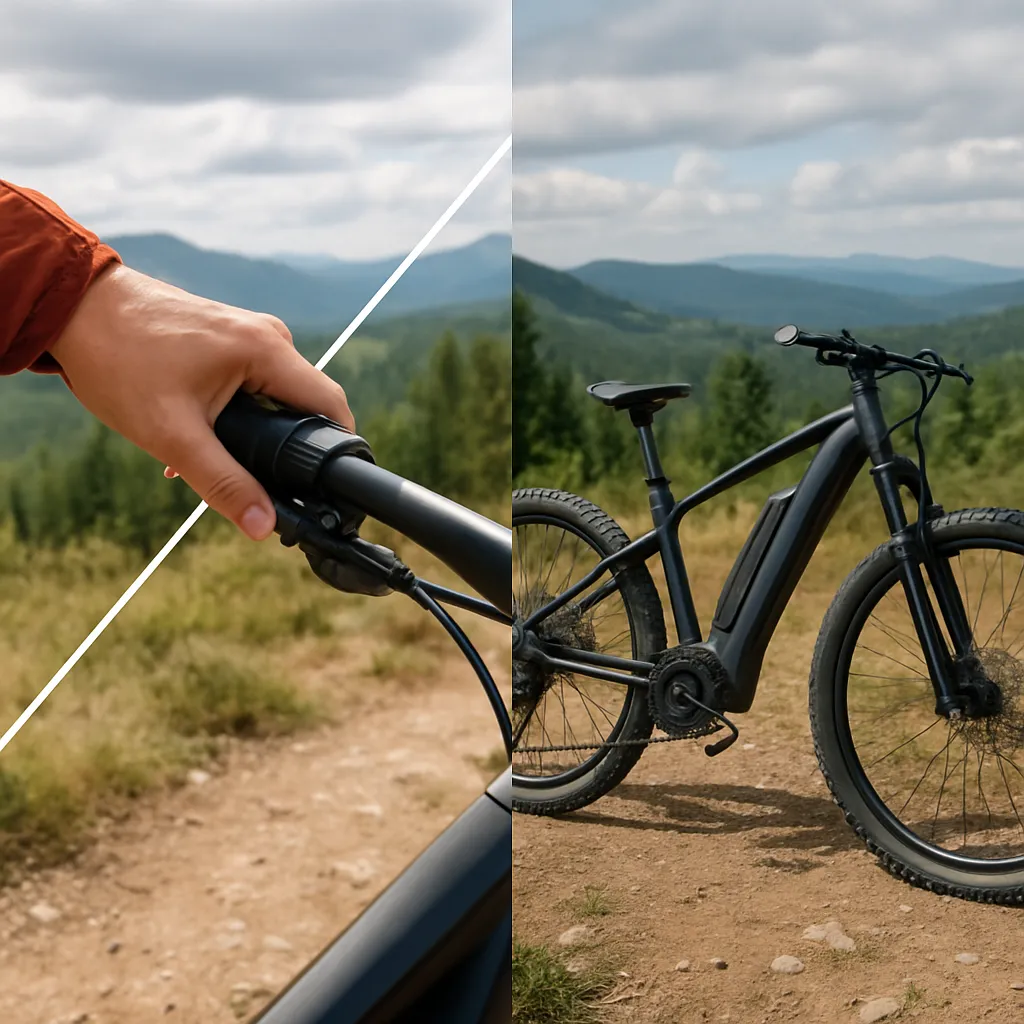
- Electric assist systems: e-bikes have opened cycling to broader demographics and extended range for commuters.
- Sustainability initiatives: Recycled materials, eco-friendly manufacturing, and lifecycle assessment are gaining ground.
These developments have not only increased the competitiveness of professional cyclists but also enhanced the experience for weekend warriors, urban commuters, and touring enthusiasts. Modern frame geometries cater to specific disciplines—whether climbing, sprinting, or gravel grinding—while suspension systems absorb bumps and rough trails. The synergy between technology and human effort continues to push the envelope of what’s possible on two wheels.
Inspiring Cyclists Who Redefined the Sport
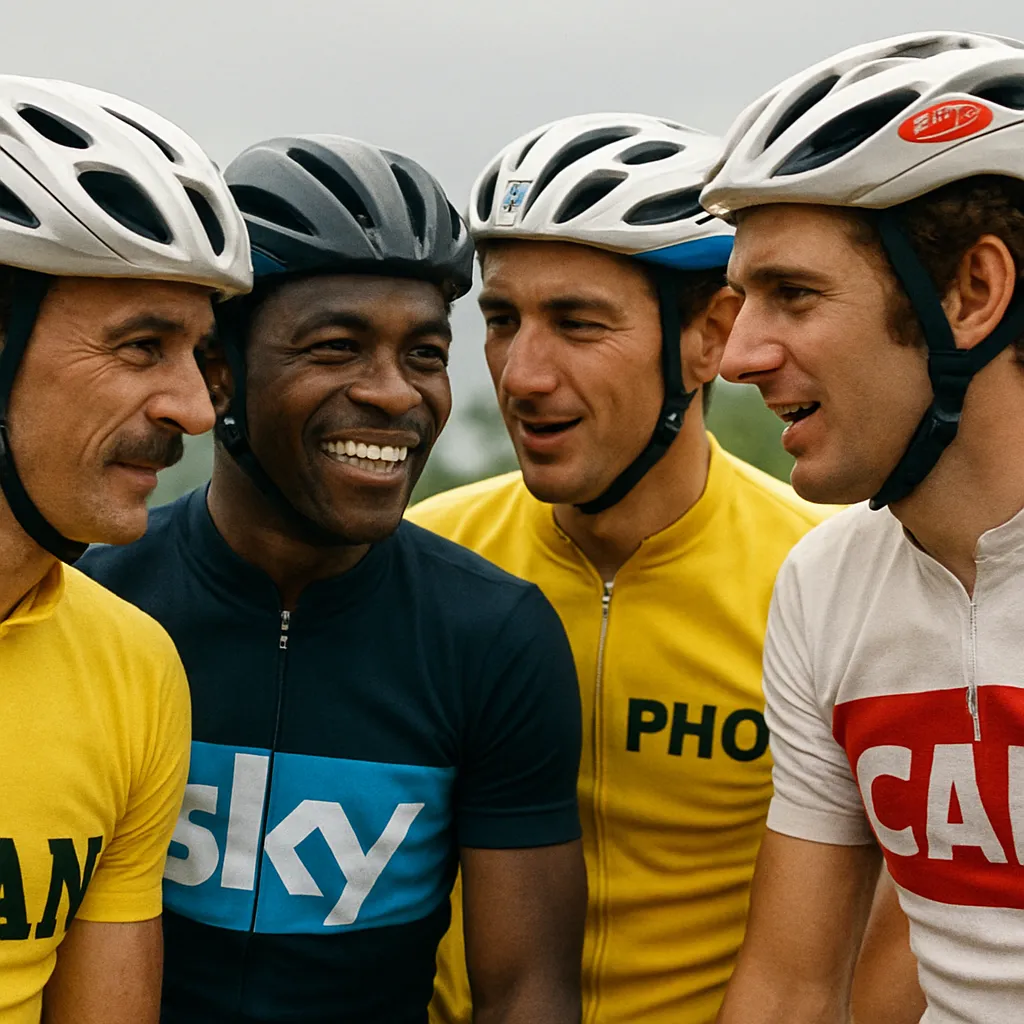
While machinery plays a vital role, it’s the remarkable athletes whose grit, vision, and triumphs inspire millions. Their legendary performances have redefined the boundaries of endurance, speed, and resilience.
Eddy Merckx – “The Cannibal”
Eddy Merckx’s relentless pursuit of victory in the 1960s and 1970s set a new standard. With a staggering number of Grand Tour wins, Merckx demonstrated unparalleled performance and tactical genius, influencing generations of racers.
Jeannie Longo – Queen of the Femmes
French champion Jeannie Longo’s career spanned four decades, showcasing extraordinary adaptability and endurance. Her Olympic and world championship medals helped propel women’s cycling into the mainstream spotlight.
Lance Armstrong – Controversy and Comeback
Armstrong’s string of Tour de France victories, and subsequent battle with cancer, captivated global audiences. Despite controversy, his story illuminated the transformative power of perseverance and rehabilitation through cycling.
Marianne Vos – The Golden Girl
Versatile across disciplines—from road racing to cyclocross—Marianne Vos’s drive for excellence exemplifies the spirit of multifaceted competition. Her numerous world titles have inspired a new wave of female talent.
Tadej Pogačar – The New Prodigy
Slovenian Tadej Pogačar’s meteoric rise in the Tour de France has reenergized fans with daring breakaways and youthful ambition. His bold style represents the future of elite stage racing.
Culture, Community, and Sustainability
Cycling’s impact goes beyond records and podiums. It fosters tight-knit communities, advocates for clean transport, and supports environmental sustainability. Urban planners increasingly integrate bike lanes, public bike-share programs, and car-free zones to reduce congestion and pollution.
- Critical Mass rides unite enthusiasts to promote safety and visibility on city streets.
- Charity rides and gran fondos combine fundraising with endurance challenges.
- Advocacy groups lobby for better cycling infrastructure and helmet laws.
Moreover, the bicycle has become a symbol of independence and empowerment in many regions, especially where motor vehicles are unaffordable or impractical. Nonprofit organizations distribute bikes to students, healthcare workers, and entrepreneurs, demonstrating how a simple machine can transform lives.
The Road Ahead: Future Trends
As technology advances, the next frontier for bicycles may include:
- Advanced energy Recuperation: Generating electricity from pedaling to power onboard devices.
- Adaptive frames: Materials that change stiffness or shape according to riding conditions.
- Enhanced virtual reality training: Immersive platforms to simulate races and terrains.
- Autonomous convoy systems: Linked group rides managed by AI for improved drafting efficiency.
These trends promise to make cycling more accessible, engaging, and eco-friendly than ever before. Whether you are a weekend rider, a competitive racer, or an urban commuter, the evolution of the bicycle continues to offer endless possibilities and inspiration.