Embarking on a journey with two wheels beneath you can be one of the most rewarding experiences. This guide will help newcomers navigate the world of bicycle selection, essential equipment, and fundamental skills needed to embrace the joy of cycling. Whether your goal is to commute, improve fitness, or set out on a grand adventure, these insights will set a solid foundation.
Choosing Your First Bicycle
Types of Bicycles
Selecting the right bike starts with understanding the main categories:
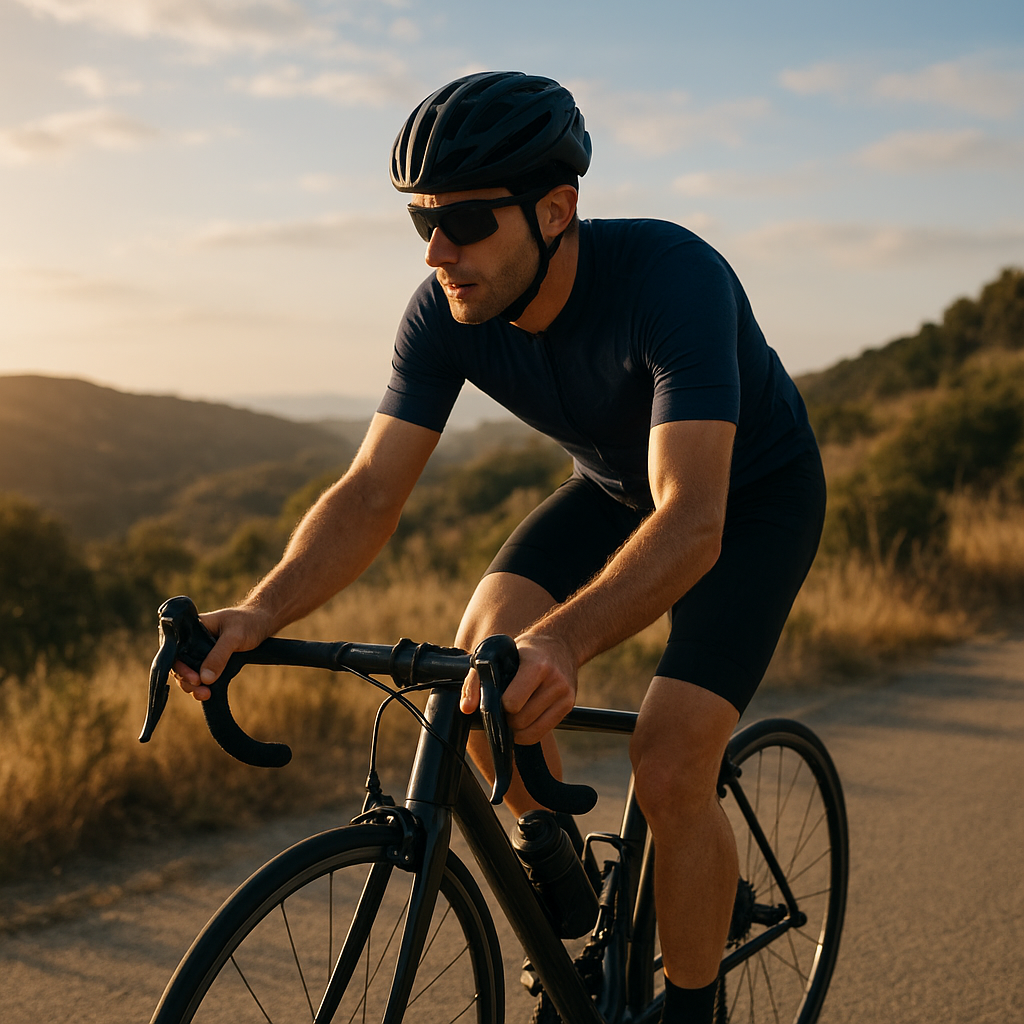
- Road Bikes – Built for speed on pavement, featuring narrow tires and lightweight frames.
- Mountain Bikes – Designed for off-road trails, offering sturdy frames, suspension, and knobby tires.
- Hybrid Bikes – A versatile blend of road and mountain bikes, great for city streets and light trails.
- Gravel Bikes – Similar to road bikes but with wider tires and more relaxed geometry, ideal for mixed terrain.
- Touring Bikes – Engineered to carry heavy loads over long distances, with reinforced frames and rack mounts.
Every style serves a different purpose. Consider where you’ll ride most often and the type of route you envision. If you plan to tackle dirt paths, a mountain or gravel bike may suit you. For long on-road excursions, a road or touring bike could be best.
Essential Features to Consider
When evaluating models in each category, focus on these critical aspects:
- Frame Material – Aluminum offers a balance of weight and cost, steel delivers durability and comfort, carbon fiber minimizes weight but can be pricier.
- Frame Size and Geometry – A proper fit reduces fatigue and prevents injury. Visit a local shop for a professional fitting or consult manufacturer sizing charts.
- Gearing – Bikes come with a range of gears to tackle flats, hills, and varied terrain. Beginners may prefer simpler 1x drivetrains for ease of use.
- Brakes – Rim brakes are lightweight and cost-effective, while disc brakes (mechanical or hydraulic) provide superior stopping power in wet or muddy conditions.
- Wheel and Tire Options – Wider tires add comfort and stability; narrower tires reduce rolling resistance and increase speed.
Test-ride multiple models to gauge comfort, handling, and responsiveness. Your initial investment in the correct bike will pay dividends in the long run.
Essential Gear and Safety Tips
Protective Equipment
Investing in quality accessories enhances both comfort and safety:
- Helmet – Choose a certified, well-fitting helmet and replace it after any significant impact.
- Gloves – Padded gloves improve grip, absorb shocks, and protect hands in the event of a fall.
- Eyewear – Shatterproof glasses shield your eyes from debris, wind, and UV rays.
- Clothing – Moisture-wicking jerseys and padded shorts boost comfort on longer rides. Reflective or brightly colored garments increase visibility.
- Lights and Reflectors – Front and rear lights are essential for dawn, dusk, or nighttime rides. Reflective tape or stickers on your bike and clothing further enhance visibility.
On-the-Road Safety Practices
Understanding traffic rules and adopting safe habits is vital:
- Ride Predictably – Maintain a straight line, signal lane changes, and make eye contact with drivers when possible.
- Obey Traffic Laws – Bicycles are considered vehicles. Stop at red lights and stop signs, and follow one-way street restrictions unless local regulations permit otherwise.
- Be Aware of Surroundings – Regularly scan the road ahead, look out for potholes, debris, parked cars, and pedestrians.
- Use Bike Lanes Properly – When available, utilize dedicated bike lanes but remain vigilant at intersections and driveways.
- Plan Your Route – Opt for quieter streets or dedicated bike paths. Many apps and local cycling groups can recommend routes suited for beginners.
Training, Maintenance, and Community
Building Fitness and Endurance
Gradual progression ensures steady improvement without risking burnout or injury:
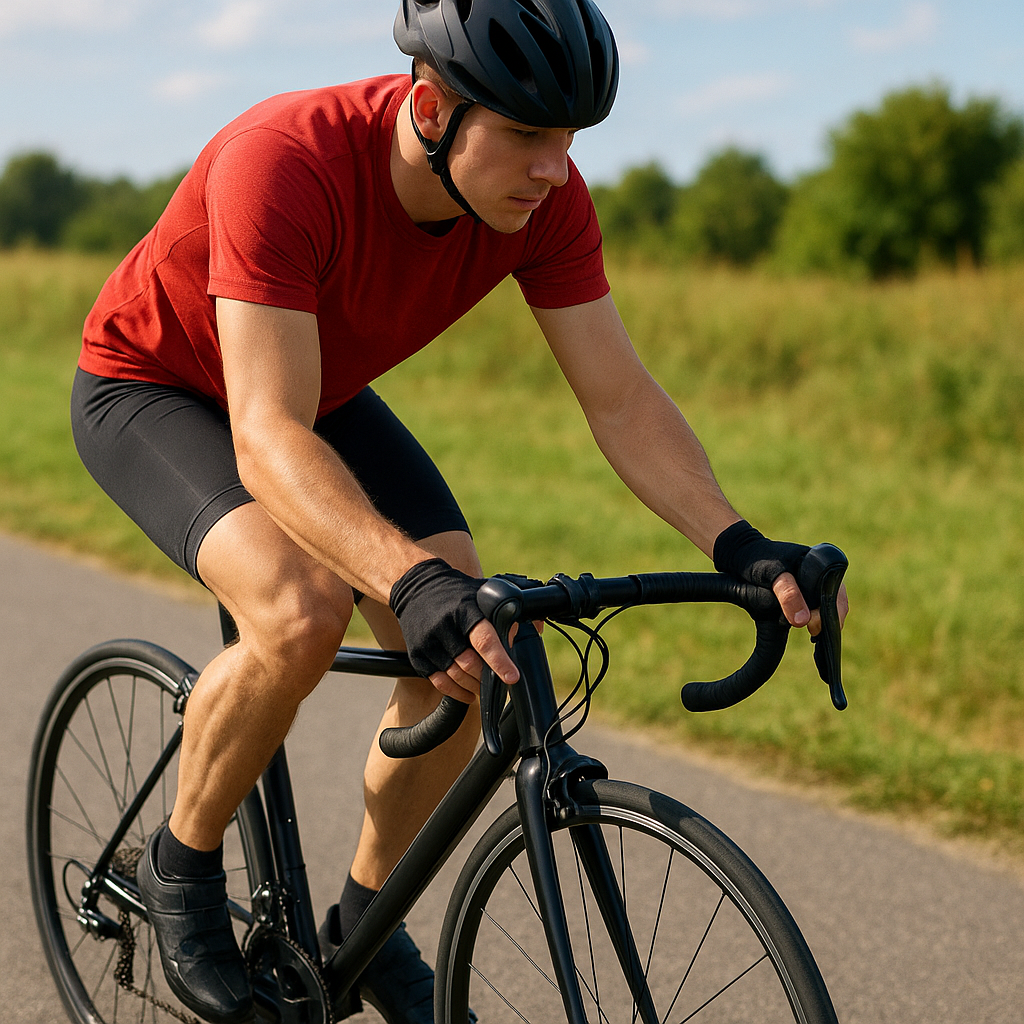
- Start Slow – Begin with short rides on flat terrain, focusing on maintaining a steady pace rather than speed.
- Consistency – Aim to ride at least three times per week to build aerobic capacity and muscular endurance.
- Interval Training – Incorporate short bursts of higher intensity followed by recovery periods to boost cardiovascular fitness.
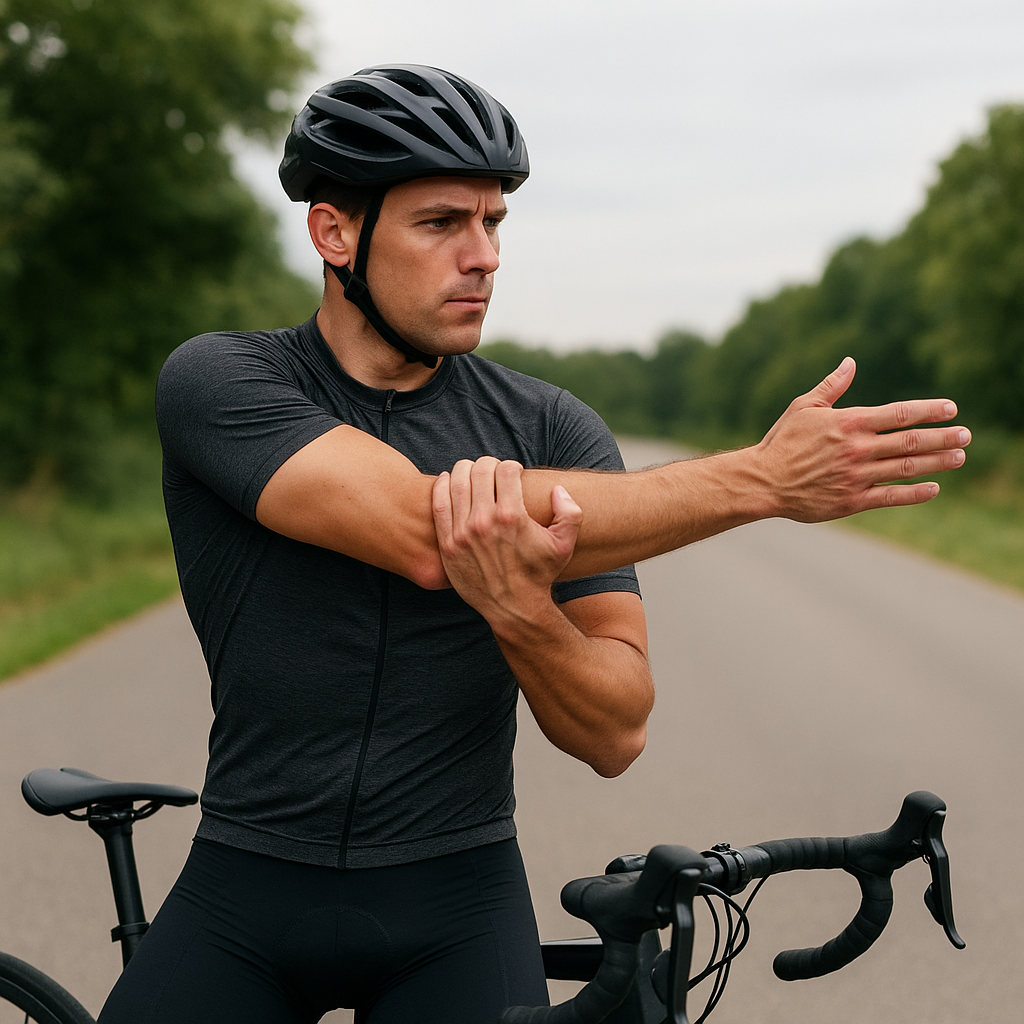
- Cross-Training – Combine cycling with strength training, yoga, or swimming to improve overall fitness and flexibility.
- Rest and Recovery – Schedule rest days to allow muscles to repair. Proper sleep and nutrition support performance gains.
Basic Bicycle Maintenance
Routine care keeps your bike running smoothly and extends its lifespan:
- Cleaning – Wipe down the frame and components after rides, especially in wet or muddy conditions.
- Lubrication – Apply chain lubricant regularly, wiping off excess to prevent grit buildup.
- Tire Pressure – Check tire pressure before every ride. Proper inflation ensures optimal rolling efficiency and puncture resistance.
- Brake Checks – Inspect brake pads for wear, and ensure cables or hydraulic lines function properly.
- Quick Adjustments – Learn to fix a flat tire, adjust brake tension, and true a slightly bent wheel with basic tools and practice.
Familiarize yourself with a simple tool kit containing tire levers, a multi-tool, spare tube, pump or CO₂ inflator, and patch kit. Being prepared can turn a potential ride-ending incident into a minor inconvenience.
Joining the Cycling Community
Riding with others fosters motivation, learning, and camaraderie:
- Local Bike Clubs – Many cities host clubs offering group rides categorized by pace and distance.
- Online Forums and Social Media – Platforms like Strava, Reddit, and Facebook groups help connect with fellow cyclists and discover new routes.
- Organized Events – Charity rides, gran fondos, and local races provide goals to train toward and a chance to experience the communal spirit of cycling.
- Workshops and Clinics – Community bike shops often offer maintenance classes, skill workshops, and guided rides.
- Cycling Buddies – Partner up with a friend or coworker. Riding with a reliable companion enhances safety and accountability.
Immersing yourself in the cycling community not only enriches the experience but also opens doors to new friendships and opportunities for growth.