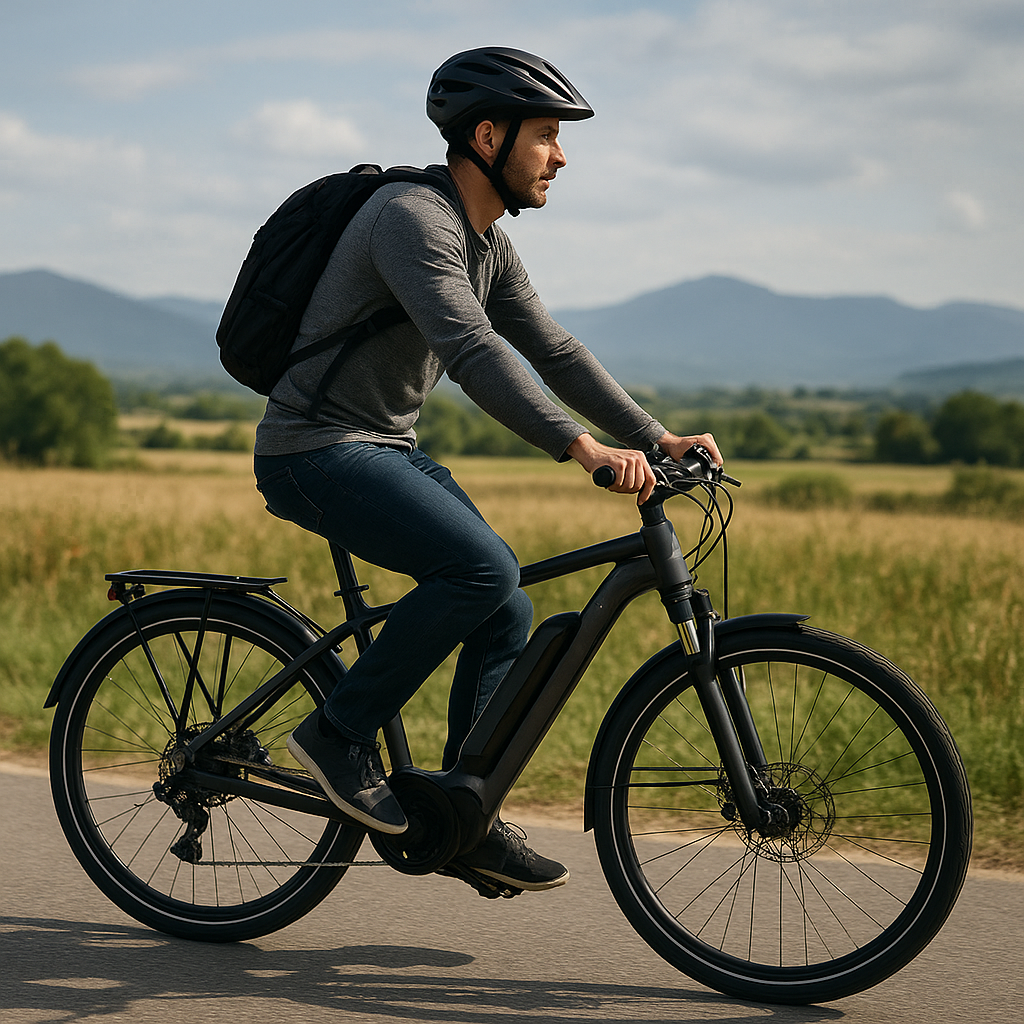
Electric bicycles have revolutionized how people commute, exercise, and explore the outdoors. With advancements in battery technology and motor design, many riders wonder just how far they can travel on a single charge. This article delves into the factors affecting an e-bike’s journey potential, tips for squeezing every mile out of your ride, and a look at what the future holds for electric cycling innovation.
E-Bike Range Factors
Understanding the variables that impact how far you can travel on an e-bike is crucial. Numerous elements come into play, each influencing the total range you’ll experience.
Battery Capacity and Chemistry
- Capacity (measured in watt-hours, Wh): The higher the Wh rating, the more energy stored.
- Chemistry: Lithium-ion variants like LiFePO4, NMC, and LTO differ in energy density, lifespan, and weight.
- Age and degradation: Over time, batteries lose capacity due to charge‐discharge cycles and temperature exposure.
Motor Power and Efficiency
- Rated power (e.g., 250W, 500W, 750W) determines how much assistance you get on climbs and at higher speeds.
- Motor efficiency: Higher-quality motors convert more of the battery’s energy into forward momentum with less heat loss.
- Pedal-assist levels: Most e-bikes offer multiple assistance modes—eco, tour, sport, turbo—each drawing different power amounts.
Rider Behavior and Load
- Weight: Rider weight plus cargo directly impacts the energy required to maintain speed.
- Pedaling input: More human effort reduces reliance on the motor, extending range.
- Riding style: Aggressive acceleration and high cruising speeds drain the battery faster.
Terrain and Environmental Conditions
- Topography: Hilly routes demand more power than flat roads.
- Wind: Headwinds increase drag and energy consumption.
- Temperature: Cold weather can temporarily reduce battery performance and efficiency.
Maximizing Your E-Bike Journey
To get the most out of your e-bike’s battery, consider these strategies designed to extend every ride.
Optimal Riding Technique
- Maintain a steady pace: Sudden speed changes lead to spikes in power draw.
- Use lower assist levels: In eco and tour modes, the motor draws less current, significantly increasing distance per charge.
- Shift gears proactively: Anticipate hills and shifts early to keep the motor in its sweet spot.
Battery Management Best Practices
- Charge regularly but avoid full 100% and 0% extremes for daily use to prolong battery health.
- Store at moderate temperatures (ideally 20°C) and around 50% charge if not riding for extended periods.
- Use a smart charger: Some units monitor voltage and temperature, optimizing charge cycles.
Accessory Considerations
- Tires: Opt for puncture-resistant, low-rolling-resistance tires to minimize drag.
- Lights and electronics: Energy-efficient LEDs and streamlined displays draw minimal power.
- Weight reduction: Carry only essentials—every extra kilogram eats into your range.
Planning and Route Selection
- Use apps and GPS tools that factor in elevation to choose flatter, more battery-friendly routes.
- Identify charging stations, cafes, or resting spots along the way to top up the battery if needed.
- Time your rides: Cooler early-morning or late-afternoon temperatures are optimal for battery performance.
Real-World Range Benchmarks
Actual distances vary widely, but general guidelines can help set expectations.
- Entry-Level Models (250–350 Wh battery; 250W motor): Typically 20–40 km on mixed terrain.
- Mid-Range Commuter E-Bikes (400–600 Wh; 350–500W motor): Expect 40–80 km under moderate conditions.
- High-End and Cargo E-Bikes (700–1,000 Wh; 500–750W+ motor): 80–150 km possible, especially with conservative assist settings.
Future of E-Bike Technology
Innovation continues at a rapid pace, promising greater autonomy and performance.
Next-Gen Batteries
- Solid-state cells: Higher energy density and improved safety compared to liquid electrolytes.
- Graphene-enhanced electrodes: Faster charging times and longer lifespans.
- Swappable pack systems: Easily replace depleted packs to double or triple continuous riding distance.
Regenerative Braking and Energy Harvesting
While still more common in electric cars, regenerative systems are filtering into the e-bike world:
- Brake-powered generators: Convert braking force into supplemental battery charge.
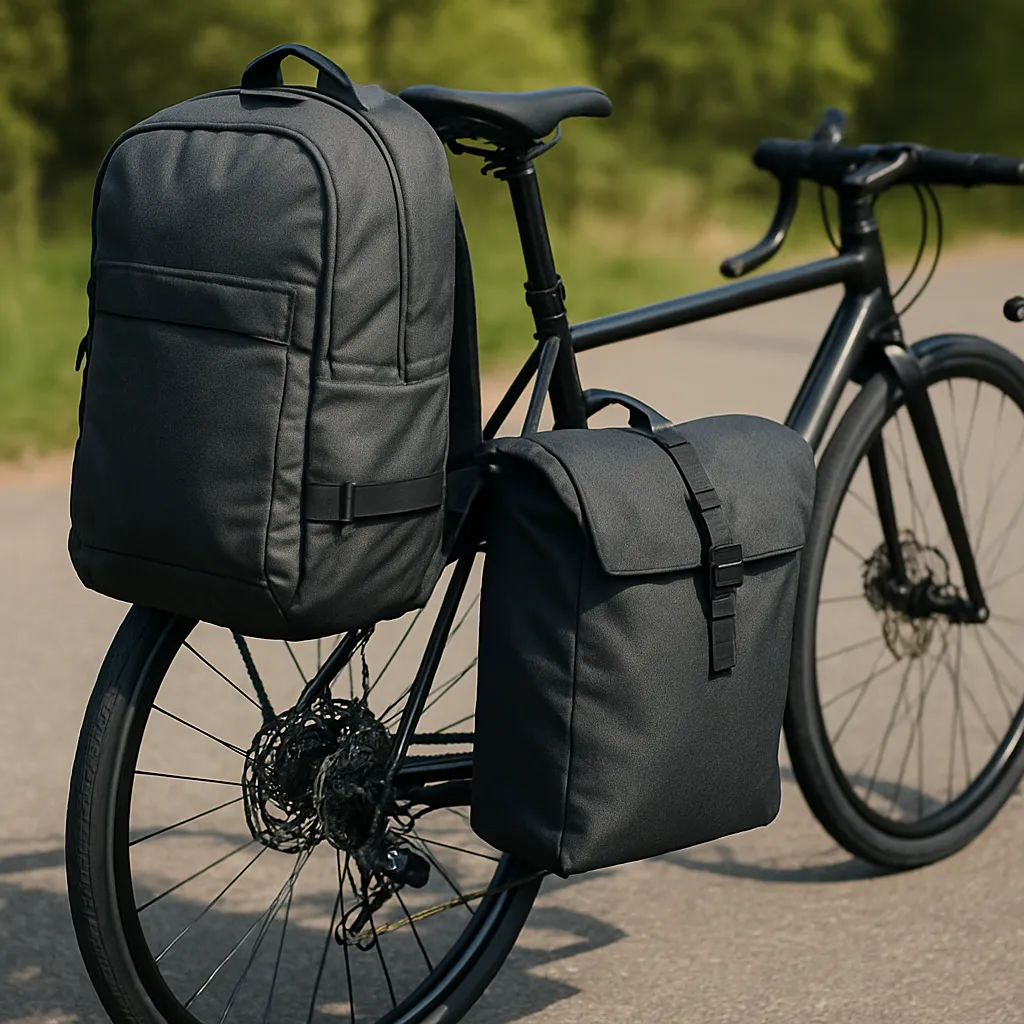
- Solar integration: Lightweight panels on luggage racks or panniers trickle-charge the battery during daylight.
Smart Connectivity and Infrastructure
- Integrated apps: Real-time data on battery health, route planning, and performance analytics.
- Charging networks: Public stations dedicated to e-bikes with rapid chargers (up to 80% in 30 minutes).
- IoT-enabled traffic systems: Traffic lights and signals that prioritize e-bikes for smoother, energy-saving commutes.
Choosing the Right E-Bike for Your Range Needs
Selecting an e-bike that aligns with your typical ride distances and terrain is key.
- Daily commuting (10–30 km): A lightweight model with 400–500 Wh battery and simple controls.
- Weekend adventures (30–60 km): Mid-range battery capacity (600–700 Wh), sturdy frame, reliable components.
- Long-distance touring (60+ km): High-capacity packs (800–1,000+ Wh), cargo racks for extra batteries, and robust motor.
By considering these factors—battery capacity, motor efficiency, rider input, and environmental conditions—you can make informed decisions and confidently explore how far your e-bike can take you.