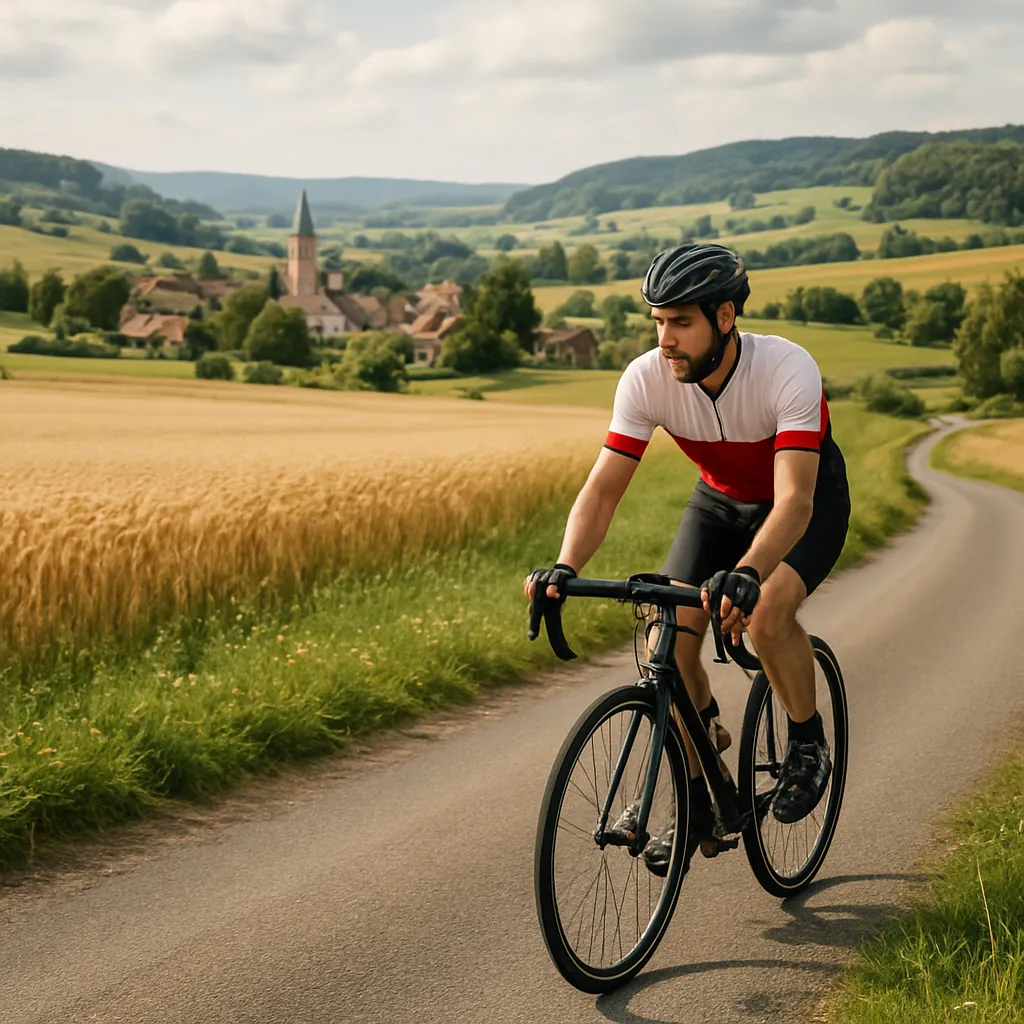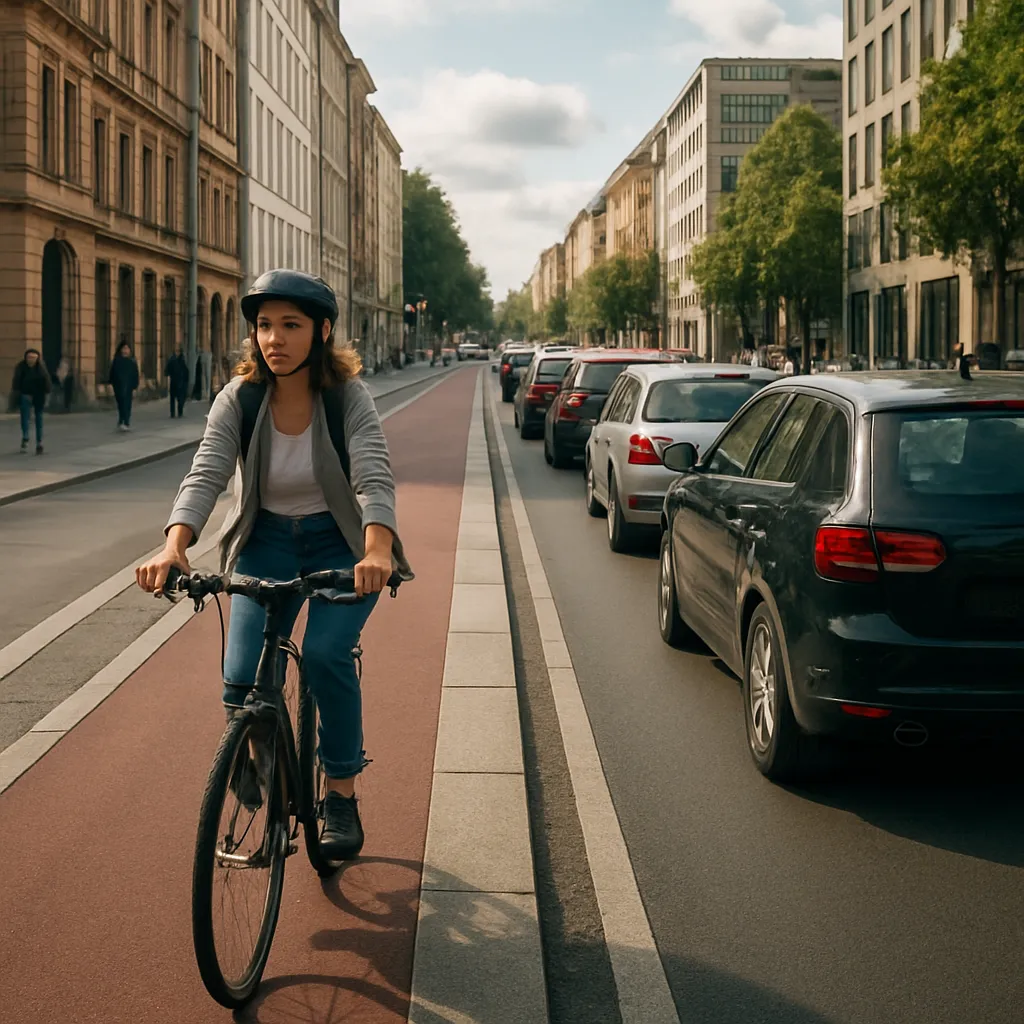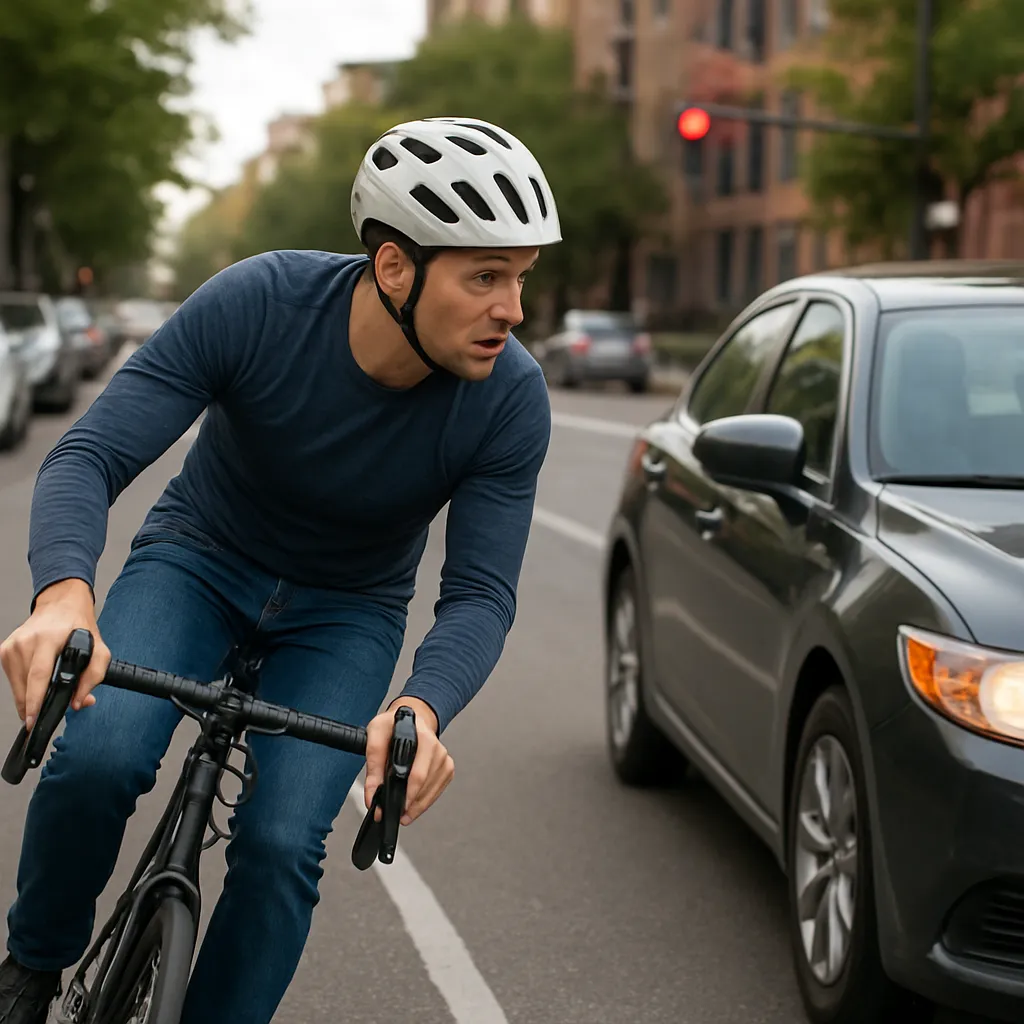
Cycling presents a thrilling blend of freedom, fitness, and eco-friendly commuting, but it also carries inherent risks. By cultivating a habit of proactive safety, riders can significantly reduce the chance of collisions, falls, and other mishaps. This guide explores essential strategies to enhance awareness on two wheels and maintain optimal visibility in all conditions.
Pre-Ride Preparation and Equipment Checks
Every safe ride begins long before you mount the saddle. A comprehensive inspection of your bicycle and gear can be the difference between a smooth journey and an unexpected accident. Establishing a routine helps spot potential issues early:
Key Maintenance Points
- Equipment inspection: Examine frame integrity, spokes, and wheel alignment. Look for cracks or bends that could cause sudden failure.
- Brake check: Squeeze both levers to ensure responsive stopping power. Replace worn pads and adjust cables if you notice any sponginess.
- Maintenance of drivetrain: Clean and lubricate the chain, derailleurs, and cassette to prevent slipping when shifting gears.
- Tire pressure: Inflate to the manufacturer’s recommended PSI. Underinflated tires increase rolling resistance and the risk of pinch flats; overinflation can reduce traction.
- Lighting and reflectors: Test front and rear lights, and secure reflective elements to boost visibility at night or in low-light conditions.
Don’t underestimate the importance of a properly fitted helmet. A snug fit—level on your forehead, straps tight—helps absorb impact forces and prevents the headgear from dislodging during a crash.
Defensive Riding Techniques
Riding defensively means anticipating hazards before they become critical. By remaining cautious and adaptable, cyclists can react swiftly to changing circumstances.
Maintain Safe Following Distance
Keep a minimum gap of two seconds behind any vehicle or fellow cyclist. This buffer zone offers room to brake or swerve if traffic ahead suddenly slows or stops.
Controlled Speed Management
Excessive velocity reduces reaction time and increases stopping distance. On unfamiliar routes or in busy areas, moderate your pace to match conditions and reduce the chance of collisions.
Strategic Manoeuvring
- Scan predictable paths: Watch for turning vehicles and anticipate their trajectory.
- Avoid blind spots: If you can’t see a driver’s eyes in their mirror, assume they don’t see you.
- Use gradual lane changes: Signal early, check over your shoulder, and move smoothly to prevent startling surrounding traffic.
Regular head checks and mirror use reinforce spatial awareness, allowing riders to detect approaching vehicles or pedestrians from behind.
Interacting Safely with Traffic and Pedestrians
Navigating urban streets demands clear communication and a keen understanding of road etiquette. Building trust with motorists and walkers makes the cycling environment safer for everyone.
Signaling Intentions
- Hand signals: Extend your arm fully and hold it steady before turning or changing lanes.
- Eye contact: Lock eyes with drivers at intersections to confirm mutual acknowledgement.
- Verbal cues: A quick “on your left” alerts slower riders or pedestrians of your approach.
Avoiding Common Road Hazards
Urban roads often teem with unpredictable obstacles like potholes, debris, and open vehicle doors. Scan the pavement ahead, and if necessary, slow down and maneuver around hazards with deliberate movements.
- Pothole protocol: Stand slightly off the saddle, maintain a firm grip, and roll over the depression at an angle.
- Urban debris: Watch for leaves, gravel, or oil slicks that can compromise traction.
- Parked cars: Keep a safe buffer from the curb to avoid “dooring” incidents.
Handling Unexpected Situations
Even the most careful riders will face unforeseen events. Developing swift, calm responses helps mitigate danger and maintain control.
Emergency Braking and Evasive Actions
Practice progressive braking: apply both front and rear brakes smoothly to avoid wheel lockup. In tight spaces, use short, rapid bursts rather than a single hard pull.
Downhill and Wet-Weather Riding
- Adjust speed before bends and descents; leaning too late can cause understeer or skidding.
- Wet-weather gear: Install fenders, wear water-resistant clothing, and switch to tires with deeper tread.
- Reduced braking efficiency on wet surfaces demands even earlier stopping.
Mitigating Distractions
Avoid headphones or mobile devices while riding. Staying fully engaged maximizes hazard detection. Keep your eyes moving between the near lane, shoulder, and horizon to maintain situational awareness.
Building a Culture of Bike Safety
Promote safe cycling habits among peers and within your community. Educational workshops, group rides, and online forums can spread best practices far beyond individual commutes.
- Share maintenance tips: Host a local clinic to demonstrate basic repair techniques.
- Organize neighborhood rides: Encourage polite riding etiquette and collaborative risk reduction.
- Advocate for infrastructure: Support bike lanes, traffic-calming measures, and secure parking to enhance overall safety.
By investing time in preparation, honing defensive skills, and engaging with fellow cyclists and motorists, every rider can contribute to a safer, more enjoyable cycling environment.