Electric bicycles have revolutionized urban commuting and recreational riding by combining pedal power with advanced electric propulsion. To ensure a reliable ride and extend the lifespan of your e-bike, it’s crucial to adopt proper care routines and charging habits. This guide explores everything from selecting the right model to charging best practices and seasonal storage, helping you get the most out of your investment.
Choosing the Right E-Bike and Accessories
Selecting an e-bike that matches your riding style and daily needs lays the foundation for long-term satisfaction. Whether you favor city commuting, trail exploration or lightweight portability, pay attention to key specifications.
Essential Tools
- Adjustable wrench for tightening bolts
- Spoke wrench to true wheels
- Chain tool to repair or replace links
- Tire pressure gauge for accurate inflation
- Multi-bit screwdriver set
Safety Gear
- Helmet rated for cycling impacts
- High-visibility vest or reflective clothing
- Gloves with padded palms
- LED front and rear lights
- Lock certified for high security
When evaluating the motor system, consider hub-drive versus mid-drive units. Hub motors often weigh less and require fewer chain adjustments, while mid-drive motors deliver improved hill-climbing torque thanks to the bike’s gearing. Inspect the battery capacity (measured in watt-hours) to estimate range, and verify that replacement cells or an aftermarket unit are available. A robust torque sensor ensures smooth power delivery in response to pedaling force, enhancing ride feel.
Regular Maintenance Practices
Routine checks and simple servicing prevent minor issues from escalating into expensive repairs. Establish a biweekly schedule to inspect critical parts and maintain peak performance.
- Confirm tire PSI aligns with manufacturer recommendations. Underinflated tires reduce efficiency and increase puncture risk.
- Examine brake pads for wear and adjust cable tension to secure stopping power.
- Clean the chain and apply a light film of lubrication to minimize friction. Use a bicycle-specific oil rather than automotive spray.
- Inspect wiring harnesses for frayed insulation or loose connectors. Moisture intrusion can trigger error codes.
- Wipe down the frame and components with a mild detergent solution. Avoid high-pressure washers that can force water into bearings and electronics.
Every 1,000 miles (1,600 km), perform a comprehensive tune-up: align wheels, torque the bolts to spec, and test electronic diagnostics via the display unit. Pay special attention to the suspension (if equipped) by checking for smooth rebound and adjusting air pressure or damping settings as needed. Keeping your e-bike in optimal mechanical condition also improves battery range, as mechanical drag directly impacts energy consumption.
Charging Tips for Longevity
Proper charging habits are paramount to preserving the health of the battery pack. Following these guidelines can prevent premature capacity loss and ensure consistent range over hundreds of cycles.
- Use only the manufacturer-supplied charger. Third-party units may deliver incorrect voltage or lack temperature safeguards.
- Avoid fully draining the pack before recharging; lithium-ion cells fare best when kept between 20% and 80% state-of-charge.
- Monitor ambient temperature. Charge indoors between 10 °C and 30 °C to protect the cells from overheating or freezing.
- Unplug the charger once the indicator shows full charge. Prolonged trickle charging can strain cell chemistry.
- Every 30–50 cycles, calibrate the battery gauge by performing one full discharge and recharge cycle. This maintains accurate voltage readings.
For those who ride daily, consider a dual-battery setup: alternate charging schedules to allow each battery to rest. This approach reduces deep discharge frequency and evens out cycle counts. Additionally, inspect the charger for dust or damage and keep its vents clear to ensure proper cooling. Never charge in a sealed compartment—adequate airflow prevents overheating and potential fire hazards.
Storage and Seasonal Care
When winter or extended downtime approaches, correct storage procedures safeguard both the frame and the battery electronics.
- Charge the battery to about 50% before storage. This level slows capacity fading during idle months.
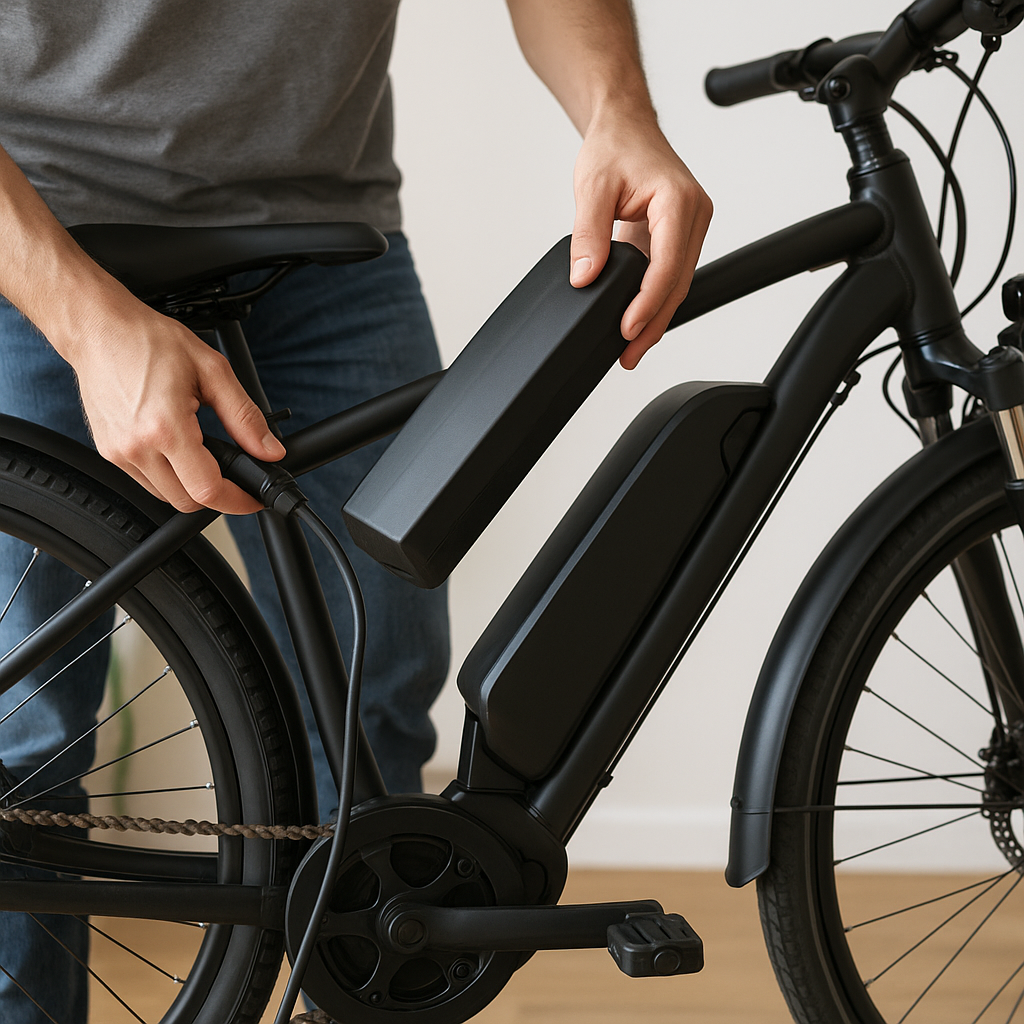
- Remove the battery and store it in a cool, dry place away from direct sunlight or heat sources.
- Lay the e-bike on a stand or hang it to relieve pressure on the tires and suspension seals.
- Apply a corrosion inhibitor to exposed metal surfaces, especially chainrings and spokes.
- Every 2–3 months, power up the battery and top off the charge to maintain optimum cell balance.
Avoid storing your e-bike outdoors, where moisture and temperature swings can accelerate oxidation and damage electronic contacts. Before reactivating the bike for spring, perform a full inspection: retorque all fasteners, test the braking system, and verify the display unit boots up without error codes. Address any anomalies promptly to ensure a safe and enjoyable riding season.