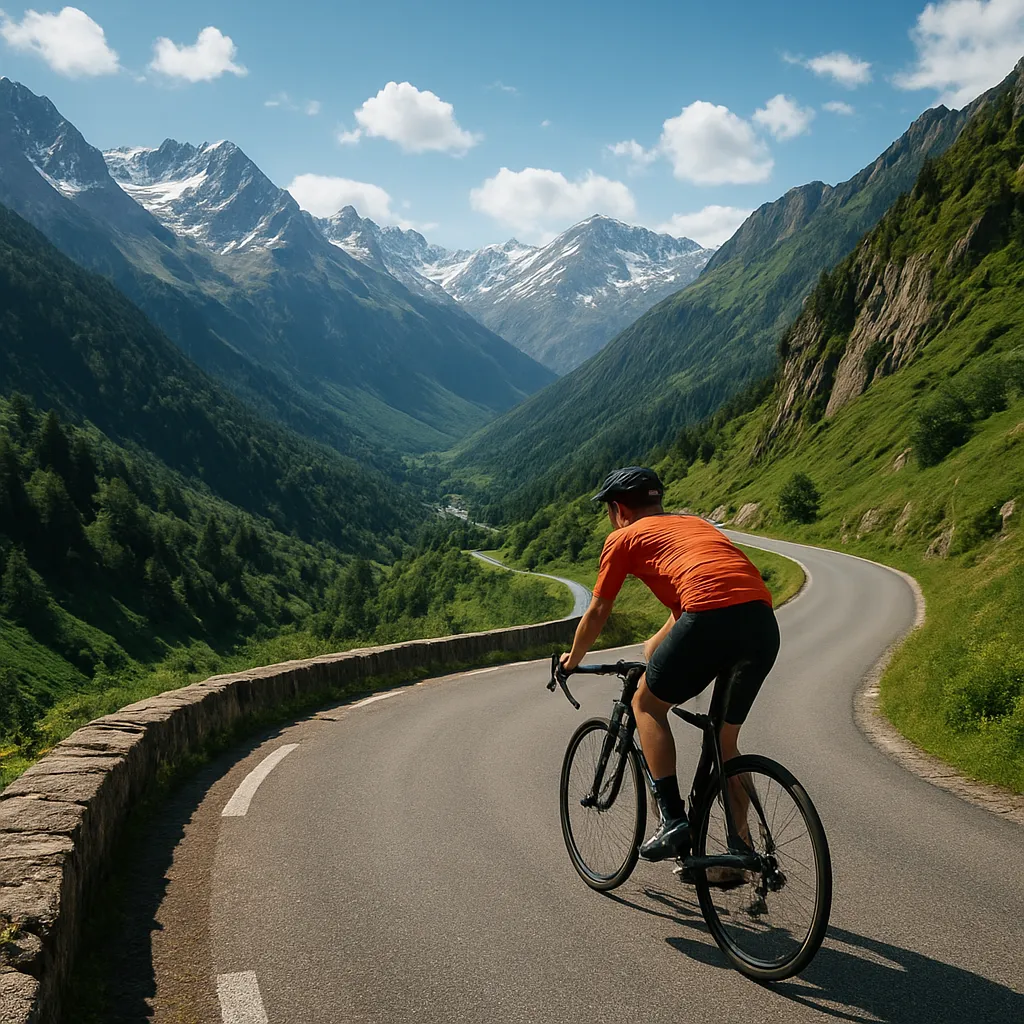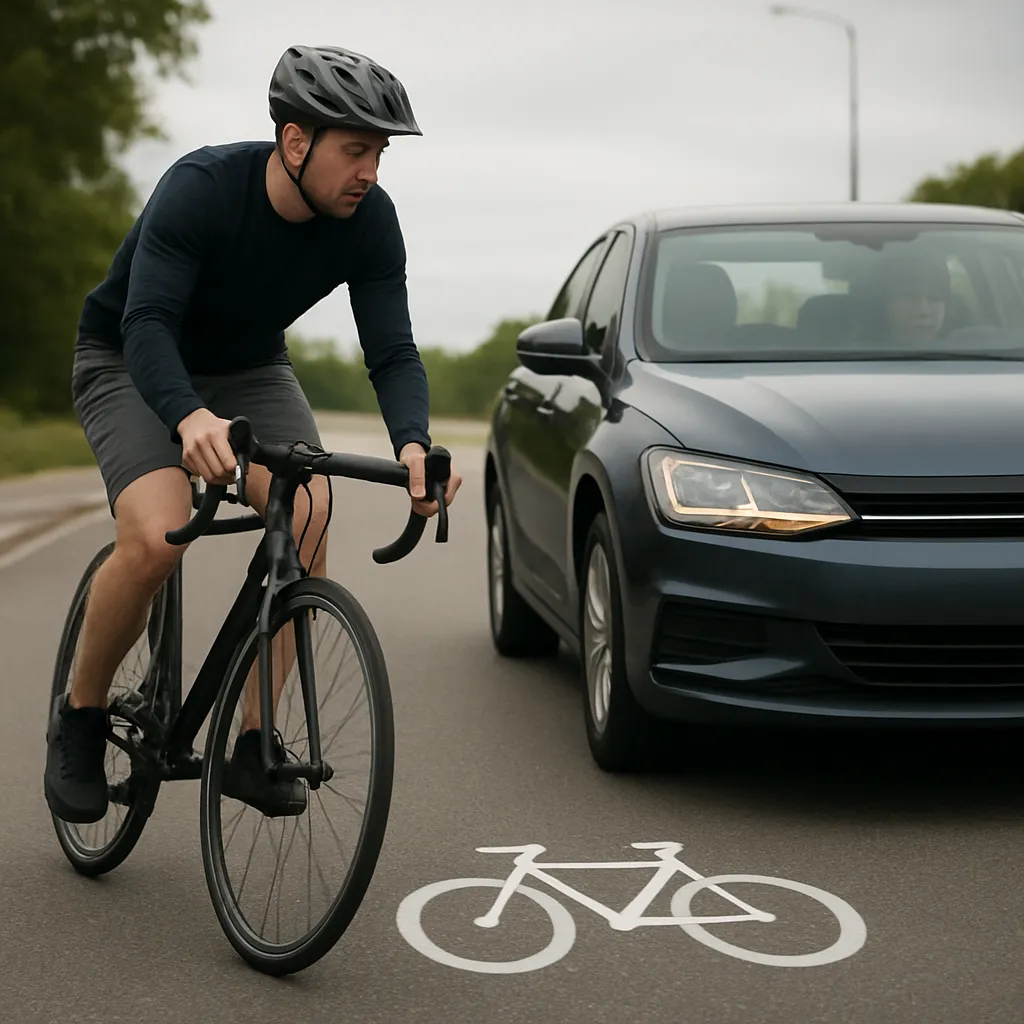
Cycling across winding roads and rolling hills offers more than just physical exercise; it unlocks profound psychological transformations that reach far beyond the saddle. As riders embrace the challenge of long distances, they cultivate resilience, clarity, and a deep sense of purpose. Through extended hours on two wheels, one can experience an unparalleled blend of endurance training, mental restoration, and creative exploration. This journey unveils how bicycling nurtures a sharper mind, a calmer spirit, and a heightened connection to the world around us.
Building Mental Resilience through Extended Pedaling
Embarking on long-distance rides demands more than muscle power; it requires unwavering resilience and strategic problem-solving. Each mile presents a unique test—be it battling headwinds, conquering steep climbs, or managing fatigue. Overcoming these challenges fosters a mindset that thrives under pressure and adapts to unexpected obstacles.
Embracing the Challenge
When cyclists push past their comfort zones, they reinforce neural pathways that support perseverance and grit. This mental fortitude translates into everyday life, enabling individuals to tackle stressful deadlines, personal setbacks, and ambitious goals with renewed confidence. The road becomes a classroom for mastering self-discipline and turning adversity into opportunity.
Strategies for Sustained Focus
- Set incremental goals: Break a lengthy ride into smaller milestones to maintain momentum.
- Visualize success: Imagine cresting a summit or reaching the next town to boost motivation.
- Practice self-talk: Use positive affirmations to counter moments of doubt and fatigue.
- Monitor pace and nutrition: Balance effort with fuel to avoid burnout and mental fog.
Through consistent training, the mind learns to mirror the body’s capacity for growth—transforming every uphill struggle into an opportunity for cognitive and emotional empowerment.
Cultivating Mindfulness and Clarity on the Open Road
Long-distance cycling is a moving meditation. With each pedal stroke, riders synchronize breath, movement, and scenery, entering a state of flow where worries dissolve and awareness sharpens. This practice enhances mindfulness, promoting mental well-being and reducing the clutter of daily stress.
Engaging the Senses
By consciously noticing the hum of tires on pavement, the warmth of sunlight, or the scent of pine forests, cyclists ground themselves in the present moment. This sensory engagement heightens concentration and cultivates an internal calm that persists even after the ride ends.
Clearing Cognitive Clutter
Repetitive pedaling acts as a rhythmic anchor, allowing the brain to sift through thoughts and emotions. As stress hormones decrease, riders often report greater clarity in decision-making and creative thinking. Problem-solving skills sharpen as the mind, unburdened by routine anxieties, discovers fresh perspectives on personal and professional challenges.
- Breath-focused intervals: Alternate between deep diaphragmatic breathing and steady cadence to center the mind.
- Silent stretches: Incorporate brief stretches without distractions to deepen the meditative experience.
- Nature integration: Choose routes through parks or countryside to blend exercise with restorative green spaces.
Fostering Connection, Creativity, and Personal Growth
Beyond individual benefits, long-distance cycling often inspires stronger bonds and shared adventures. Whether riding solo or in a group, cyclists find camaraderie and cultural exchange on the road. This social dimension stimulates creativity and fosters a sense of belonging.
Group Rides and Community Spirit
Joining cycling clubs or charity tours introduces riders to diverse backgrounds and shared narratives. Conversations at rest stops can spark new ideas, collaborations, and lifelong friendships. The collective pursuit of a common goal enhances social skills and nurtures empathy, as participants support each other through physical and mental hurdles.
Personal Discovery and Empowerment
Undertaking a multi-day expedition allows individuals to confront inner doubts and redefine their limits. Each completed ride becomes a testament to adventure and self-belief, inspiring riders to challenge themselves in other life arenas. The sense of achievement resonates deeply, instilling a lasting feeling of empowerment.
- Route planning: Engaging in logistics sharpens organizational skills and strategic thinking.
- Solo exploration: Riding alone offers time for introspection and personal goal setting.
- Documenting progress: Journaling or photography captures memories and tracks emotional growth.
Through this cycle of exploration and reflection, cyclists unearth hidden strengths and cultivate a lifelong passion for discovery. The road becomes a metaphor for personal evolution—a space where each turn leads to newfound insight and fulfillment.
Enhancing Cognitive Performance and Stress Reduction
Regular long-distance cycling stimulates neurochemical processes that boost brain health. Exercise-induced release of endorphins and neurotrophic factors lays the foundation for improved memory, problem-solving abilities, and emotional balance. Over time, riders experience sustained reductions in anxiety and depressive symptoms.
Brain-Boosting Mechanisms
Physical exertion elevates blood flow to the hippocampus, a region crucial for learning and memory. Simultaneously, the production of brain-derived neurotrophic factor (BDNF) supports the formation of new neural connections, enhancing overall cognitive flexibility and resilience under stress.
Practical Tips for Integrating Cycling into Daily Life
- Commute by bike: Replace short car trips with cycling to infuse routine with mental benefits.
- Schedule mini-expeditions: Plan weekend tours to sustain motivation and break monotony.
- Track progress: Use apps or journals to monitor mood, distance, and personal milestones.
By weaving long-distance rides into one’s lifestyle, cyclists cultivate a robust defense against stress and cognitive decline—turning each journey into an investment in lifelong mental wellness.