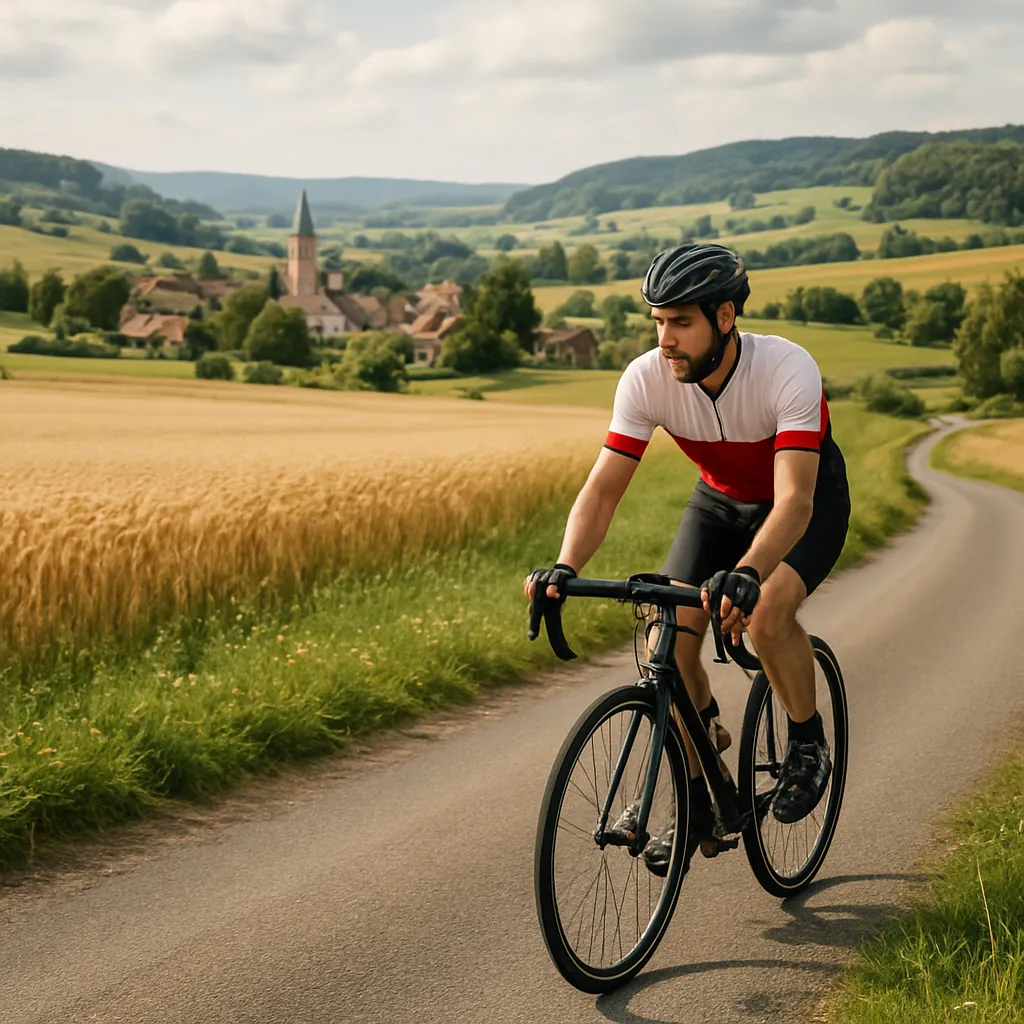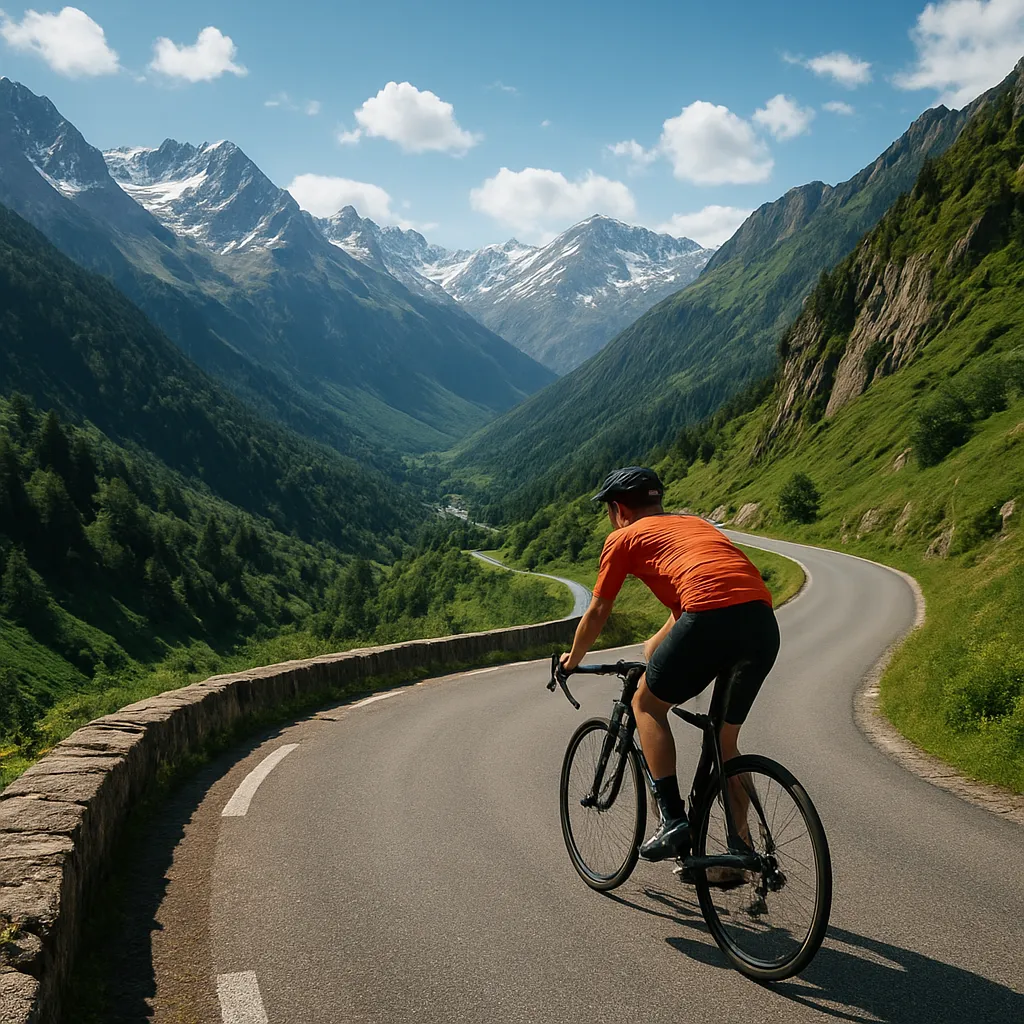
Embarking on a two-wheeled journey through the high mountain ranges of Europe offers an unparalleled blend of natural beauty, physical challenge, and cultural immersion. Whether you seek steep ascents, winding hairpin turns, or serene valleys, the Alps and Pyrenees promise routes that will ignite your passions and test your endurance. This article highlights some of the most scenic cycling routes, essential gear, and tips to ensure you make the most of your alpine adventure.
Exploring Alpine Passes by Bicycle
Majestic Cols and Hairpin Turns
The Alps boast some of the most famous cycling climbs in the world. Riders are drawn to legendary cols such as the Col du Galibier, Col de l’Iseran, and the Stelvio Pass. These high-altitude roads carve through sharp rock faces, offering panoramic views that will forever etch themselves into your memory.
- Col du Galibier (France): Rising to 2,645 meters, this route features more than 30 hairpin bends. Early summer snow patches and alpine marmots grazing on the slopes add to the sense of adventure.
- Col de l’Iseran (France): As the highest paved pass in Europe (2,770 meters), it rewards cyclists with sweeping vistas of glaciers and pristine lakes.
- Stelvio Pass (Italy): With 48 numbered hairpins, this iconic climb challenges both mind and body. Descend on the Italian side for heart-pounding switchbacks.
To conquer these giants, riders should prepare for fluctuating weather, occasional road closures, and steep gradients that exceed 10%. Each ascent demands a robust strategy, combining pacing, nutrition, and mental resilience.
Picturesque Valleys and Lakeside Trails
Not all Alpine routes involve punishing altitudes. The region also offers gentle rides along crystal-clear lakes and through fertile valleys dotted with vineyards and chalets. These easier sections provide recovery days or a scenic alternative for family-friendly outings.
- Lake Geneva Loop: Cycling around Europe’s largest Alpine lake, you’ll pass through Swiss towns like Montreux and Lavaux’s terraced vineyards, a UNESCO heritage site.
- Inn Valley Route (Austria): Following the River Inn from Landeck to Innsbruck, this flat path is ideal for capturing glimpses of Tyrolean villages and Baroque churches.
- Lake Annecy Circuit (France): Renowned as one of the cleanest lakes in Europe, the 42-kilometer loop offers cafes, beaches, and mountain backdrops.
Pyrenean Pathways and Peaks
Iconic Summits and Border Crossings
Straddling the frontier between France and Spain, the Pyrenees deliver raw, untamed landscapes with steep gradients and lesser-known climbs. Famous passes like the Col du Tourmalet and Col d’Aubisque have been part of Tour de France history for over a century.
- Col du Tourmalet (France): Standing at 2,115 meters, this climb is a litmus test for any seasoned cyclist. Expect narrow roads, wildflower meadows, and sheep grazing alongside the tarmac.
- Col d’Aubisque (France): Steep gradients and rocky outcrops characterize this route. Descend toward Laruns for a blend of forested sections and rolling foothills.
- Port de Balès (France): A relatively modern addition to Grand Tours, it features asphalt that winds through remote mountain pastures and provides stunning views of turquoise reservoirs.
The Pyrenees also offer unique opportunities to traverse historic smuggler routes and Trans-Pyrenean trails. For the truly intrepid, combining cycling with light hiking (bikepacking) unveils hidden valleys and shepherd huts unreachable by road vehicles.
Coastal to Mountain Transitions
A lesser-known but exhilarating approach starts at the Atlantic coast, weaving inland toward the high peaks. This journey transitions from sea breeze to alpine chill within a few hundred kilometers.
- Biarritz to Pau: Begin along the Basque coastline, then tackle the Col d’Aubisque and descend into Pau’s historic streets.
- Barcelona to Andorra: Cycle through Catalan vineyards, climb Collada de Toses, and finish among Andorra’s duty-free shops and mountain spas.
- Basque Country to Ordesa National Park: Link short coastal rides with long mountain stages, culminating in dramatic gorges and wind-carved limestone pillars.
Essential Gear and Preparation
Choosing the Right Bicycle
Selecting a bike that balances weight, comfort, and durability is crucial. For mountainous terrain, many cyclists opt for a lightweight carbon or aluminum frame road bike with compact gearing. Gravel bikes are ideal for mixed surfaces, while e-bikes can offer pedal-assist for longer days.
- Compact Groupset: Lower gears (34/50 chainrings, 11-32 cassette) ease steep climbs.
- Robust Wheels: Tubeless-ready 28-32 mm tires absorb bumps and punctures.
- Hydration Integration: Frame-mounted bottles and a hydration pack keep you fueled on extended climbs.
Physical Training and Nutrition
A structured training plan with interval sessions, long endurance rides, and core-strength exercises will prime your body for alpine challenges. Practice climbing with loaded packs to simulate bikepacking conditions.
- Interval Training: Short, high-intensity efforts followed by recovery periods enhance power output.
- Long Rides: Weekly long rides with sustained aerobic efforts build stamina.
- Nutritional Strategy: Combine complex carbohydrates, electrolytes, and protein. On-the-bike snacks like energy bars, gels, and dried fruits keep energy levels steady.
Immersive Cultural and Natural Encounters
Village Hospitality and Local Cuisine
Exploring alpine and Pyrenean regions also means savoring regional specialties. Mountain huts serve hearty fare like raclette, tartiflette, and cured meats, while village bakeries offer freshly baked breads and pastries.
- French Alps: Indulge in fondue savoyarde or a plate of jambon de Savoie after a long descent.
- Italian Dolomites: Sample speck, canederli (bread dumplings), and polenta with wild mushrooms.
- Spanish Pyrenees: Try hearty stews such as olla aranesa and local cheeses paired with robust red wines.
Sustainable Cycling and Ecological Respect
As you navigate fragile mountain ecosystems, adopting sustainable practices is vital. Carry reusable water bottles, avoid single-use plastics, and adhere to marked trails to protect alpine flora and fauna.
- Leave No Trace: Pack out all waste, including organic scraps that can disrupt wildlife diets.
- Support Local Businesses: Choose family-run guesthouses, local guides, and regional products to benefit mountain communities.
- Seasonal Awareness: Respect closures during wildlife breeding periods and check for avalanche risks or rockfall reports in off-season months.