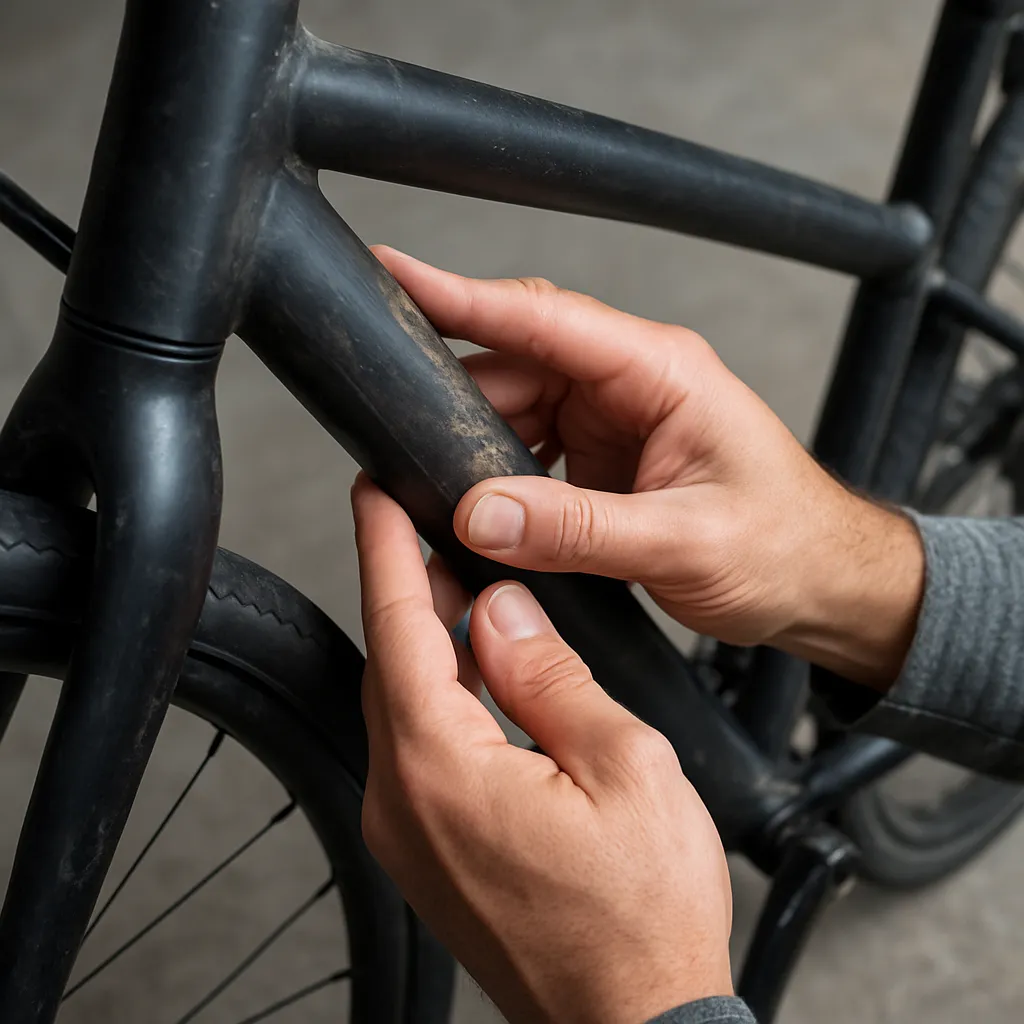
Ensuring the structural soundness of your bicycle is essential not only for peak performance but also for rider safety. A seemingly flawless frame can hide subtle faults that may worsen over time, resulting in catastrophic failures. This comprehensive guide explores methods to uncover hidden damage, from simple visual checks to advanced diagnostic procedures, empowering you to ride with confidence.
Understanding Frame Materials and Their Vulnerabilities
Bicycle frames come in various materials, each offering unique advantages and potential weaknesses. Recognizing how these materials behave under stress helps you spot early signs of trouble.
- Steel: Renowned for its toughness and fatigue resistance, steel frames can endure millions of cycles. However, they are prone to corrosion in humid or salty environments. Rust pits may hide micro-fissures that propagate under load.
- Aluminum: Lighter and stiffer than steel, aluminum frames offer responsive handling. Their primary drawback is a lower fatigue limit—repeated stress may cause sudden cracks without much warning. Paint chips can expose bare metal to further damage.
- Carbon fiber: A composite material prized for its light weight and customized stiffness. Impacts may delaminate layers or create internal voids not visible on the surface. Even minor dings can compromise the frame’s integrity.
- Titanium: Combining steel’s durability with aluminum’s lightness, titanium resists corrosion and fatigue. Its elasticity can mask developing cracks, requiring careful examination to detect hidden flaws.
Visual Inspection: The First Line of Defense
A meticulous visual walkaround is the quickest way to reveal obvious or subtle signs of damage. Dedicate time before each ride for a systematic check:
- Clean the frame thoroughly to remove dirt and grease. A spotless surface makes imperfections stand out.
- Use a bright LED torch at low angles to cast shadows on tube joints, welds, and high-stress areas around bottle bosses and dropouts.
- Inspect paint and clearcoat for chips or blisters. Areas where the finish is lifting can indicate underlying microfracture development.
- Look for hairline cracks around weld beads on metal frames. On carbon fiber, check for surface abrasions, exposed fibers, or areas that feel unusually soft.
- Run your fingertips lightly over the structure. A sudden indentation or rough patch may point to a hidden impact zone.
Advanced Detection Methods
Tap Test and Sound Analysis
The tap test is a simple, cost-effective technique. Gently tap various sections of the frame with a small metal object or a coin. Listen for variations in pitch:
- A clear, ringing tone typically indicates solid, undamaged material.
- A dull or muffled sound suggests internal delamination or voids. Mark any suspect locations for further scrutiny.
UV Dye and Penetrant Tests
Liquid penetrant inspection uses high-visibility dyes to reveal surface-breaking defects. This requires:
- Applying a colored or fluorescent penetrant to the cleaned surface.
- Allowing it to seep into any cracks for a few minutes.
- Wiping off the excess and spraying a developer. Cracks will wick the dye back, making them easy to spot under UV light.
Ultrasound and X-ray Techniques
For the ultimate in-frame diagnosis, professional shops and labs offer non-destructive testing (NDT):
- Ultrasound scanners send high-frequency sound waves into the frame. Reflections reveal internal flaws, layer separations, or inclusions.
- X-ray imaging provides a detailed view of the internal structure. Ideal for carbon fiber, it can detect delamination and fiber breakage that other methods miss.
Addressing Hidden Damage: Repair and Prevention
Discovering damage is half the battle. Deciding whether to repair or replace involves assessing severity, cost, and long-term reliability.
- Minor dents and paint chips on metal frames can often be treated with protective coatings and rust inhibitors. Fill small cracks with metal epoxy, clamp securely, then sand and refinish.
- Carbon fiber frames require specialized repair kits. Layers of new carbon cloth and epoxy resin are applied, cured under controlled temperature, then sanded to match the original profile. Always send high-stress area damage to certified professionals.
- Welded fractures on titanium or aluminum should only be handled by skilled welders familiar with bike industry standards. Improper heat control can weaken surrounding metal.
Prevention is equally crucial. Maintain correct torque on bolts, avoid dropping or leaning the bike against hard surfaces, and store it in a dry environment. Regular maintenance checks and prompt repair of minor issues prevent them from evolving into critical failures.
Best Practices for Ongoing Frame Care
Adopting a proactive stance toward frame care ensures longevity and peace of mind:
- Keep a detailed log of inspections, any damage found, and services performed.
- Schedule a comprehensive assessment by a reputable bike shop at least once a year, especially if you ride frequently or in demanding conditions.
- Invest in quality protective gear such as frame guards and downtube shields to absorb impacts before they reach the core structure.
- Regularly check headset and bottom bracket alignment. Misalignment can impose uneven stress on frame tubes, leading to premature wear.
- Replace the frame when damage is beyond safe repair. A worn-out or compromised frame jeopardizes all other components and rider well-being.
By combining consistent visual checks with advanced diagnostic methods, and by addressing issues promptly, you’ll preserve the performance and safety of your bicycle for thousands of smooth, worry-free miles.