Tracking your cycling journey has never been more accessible or enlightening. By combining modern GPS-enabled devices with intuitive apps, riders can unlock a new level of insight into their performance and growth. Whether you are gearing up for a long-distance tour or aiming to conquer new heights on local hills, harnessing the power of smart technology transforms raw data into actionable wisdom.
The Evolution of Cycling Technology
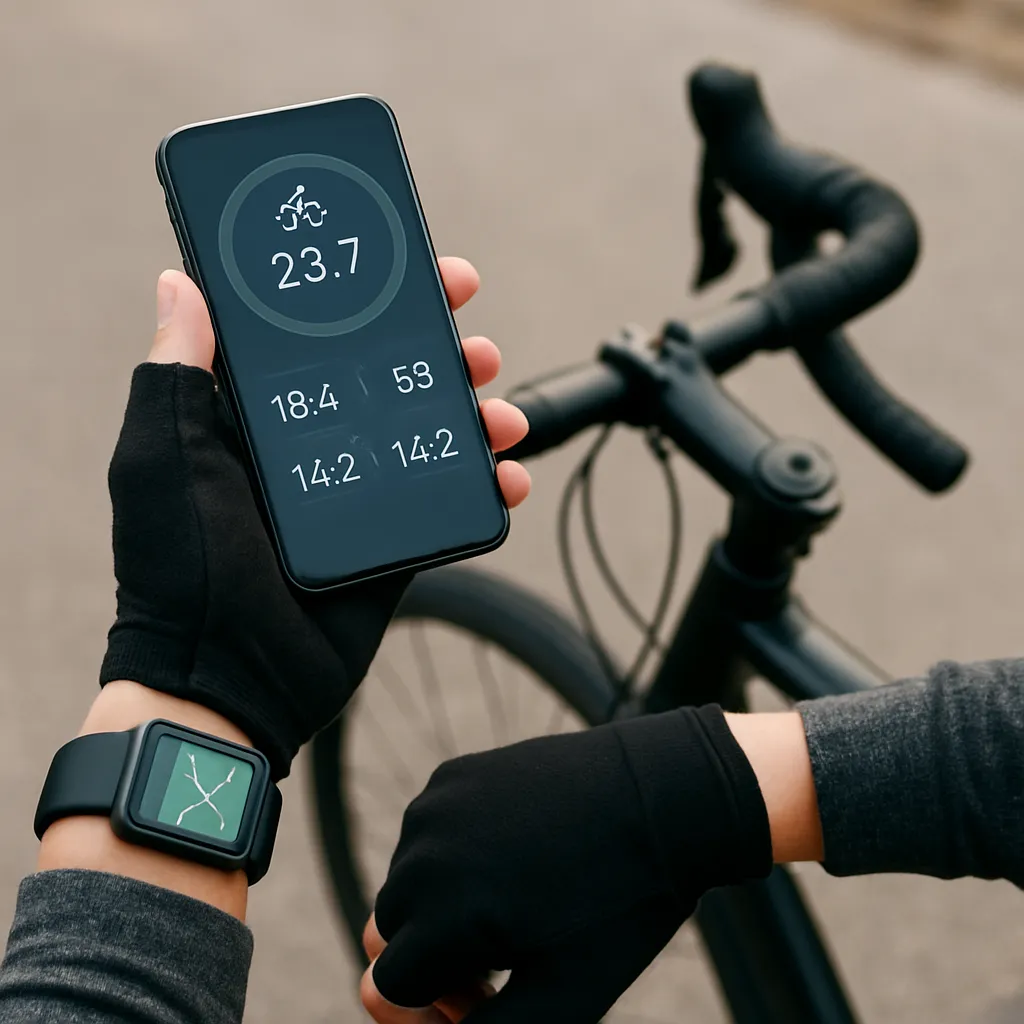
Cycling has always been at the forefront of innovation, from the first safety bicycles of the 19th century to today’s aerodynamic machines. Now, the integration of digital tools creates a seamless ecosystem of information. Early days saw bulky cyclometers displaying basic speed and distance, but modern systems offer a power meter to gauge exertion, Bluetooth heart-rate straps for precise heart rate readings, and wireless cadence sensors to track pedal revolutions. All these components communicate with smartphone apps or dedicated bike computers, delivering a holistic snapshot of each ride.
This interconnected approach empowers cyclists to dissect every climb, sprint, and recovery moment. Data is no longer confined to a single ride; it accumulates in cloud-based analytics platforms, where cumulative trends and seasonal progress become crystal clear. Such insights were once reserved for professional teams with deep pockets. Today’s enthusiast can achieve professional-level feedback at a fraction of the cost.
Key Metrics to Monitor
Understanding which numbers matter most is crucial for any cyclist looking to optimize their regimen. Here are some of the fundamental metrics:
- Speed and Average Speed: Real-time and ride-wide speed give a quick snapshot of performance.
- Distance: Cumulative mileage reveals endurance and training volume.
- Elevation Gain: Measures the total vertical meters climbed, essential for mountain and hill training.
- Cadence: Pedal revolutions per minute inform on pedaling efficiency and technique.
- Heart Rate: Rate of cardiovascular exertion, useful for identifying optimum training zones.
- Power Meter Output: Wattage data provides a direct measure of work done, indispensable for structured workouts.
- Calories Burned: Estimates energy expenditure to balance nutrition and recovery.
By focusing on these metrics, cyclists craft personalized plans. For instance, climbing specialists will monitor elevation gain and power-to-weight ratio, while endurance riders might prioritize sustained performance and heart-rate consistency over long distances.
Top Apps and Smart Devices
Choosing the right combination of tools can be overwhelming. Below is an overview of popular options:
Smartphone Apps
- Strava: Renowned for its social features and segment competitions, ideal for community motivation.
- TrainingPeaks: Offers advanced planning, adaptive workouts, and detailed post-ride analysis.
- Wahoo SYSTM: Provides science-backed training plans and interactive indoor workouts.
- Garmin Connect: Seamlessly pairs with Garmin devices, delivering rich geo-mapped stats and insights.
Dedicated Bike Computers
- Garmin Edge Series: High-resolution maps, turn-by-turn navigation, and robust sensor integration.
- Wahoo ELEMNT: Simple setup, customizable screens, and reliable wireless connectivity.
- Hammerhead KAROO: Sharp display and open-source app ecosystem for flexibility.
Wearable Sensors
- Garmin HRM-Pro: Advanced heart-rate monitoring with running dynamics and cycling metrics.
- Stages Power Meters: Single-sided or dual-sided power measurement for precise watt data.
- Cateye Cadence Sensors: Affordable, easy to install, and pairs with most Bluetooth and ANT+ devices.
Integrating Data Into Your Training Plan
Collecting data is only half the battle. Converting it into a coherent training zones structure ensures every ride has a purpose. Here’s a step-by-step approach:
- Establish Baseline Tests: Perform a Functional Threshold Power (FTP) test or lactate threshold assessment to calibrate your power zones.
- Set Goals: Define short-term objectives like weekly mileage targets and long-term milestones such as a gran fondo or hill-climb event.
- Design Workouts: Alternate high-intensity interval sessions, steady-state endurance rides, and active recovery days based on your baseline metrics.
- Monitor Recovery: Track resting heart rate, sleep quality, and subjective fatigue to avoid overtraining.
- Adjust Periodically: Reassess every 4–6 weeks using updated FTP or heart-rate variability data to keep the plan aligned with your increasing endurance.
Cloud-based platforms can automatically sync your sessions, flag missed workouts, and even recommend adjustments. This continual feedback loop not only refines training efficiency but also sustains motivation by illustrating tangible improvements.
Tips for Effective Progress Tracking
Even the most advanced tools require thoughtful application. Here are practical suggestions to elevate your data-driven cycling:
- Consistency Is Key: Ride and record regularly to build a comprehensive dataset.
- Quality Over Quantity: A well-structured 60-minute session often outweighs a long, aimless ride.
- Review Weekly Summaries: Identify patterns in your metrics to fine-tune upcoming workouts.
- Join Virtual Challenges: Platforms like Strava segments foster a competitive environment that can push your limits.
- Balance Indoor and Outdoor Sessions: Use smart trainers for targeted intervals and open roads for adaptability and exploration.
By embedding these practices into your routine, each ride transforms from a solitary endeavor into a strategic step toward peak cycling condition. Leveraging interconnected apps and devices, riders can measure, analyze, and amplify every pedal stroke, paving the way for continuous growth and unparalleled satisfaction on two wheels.