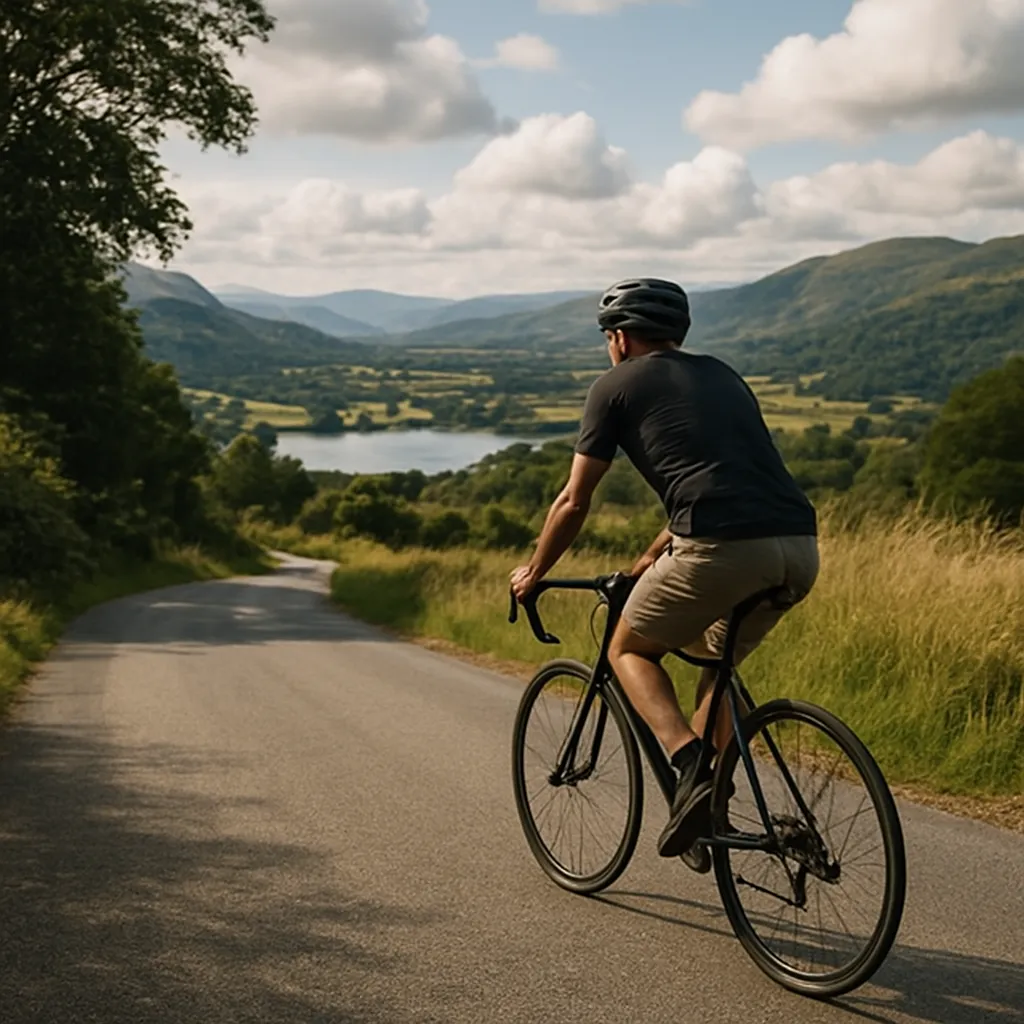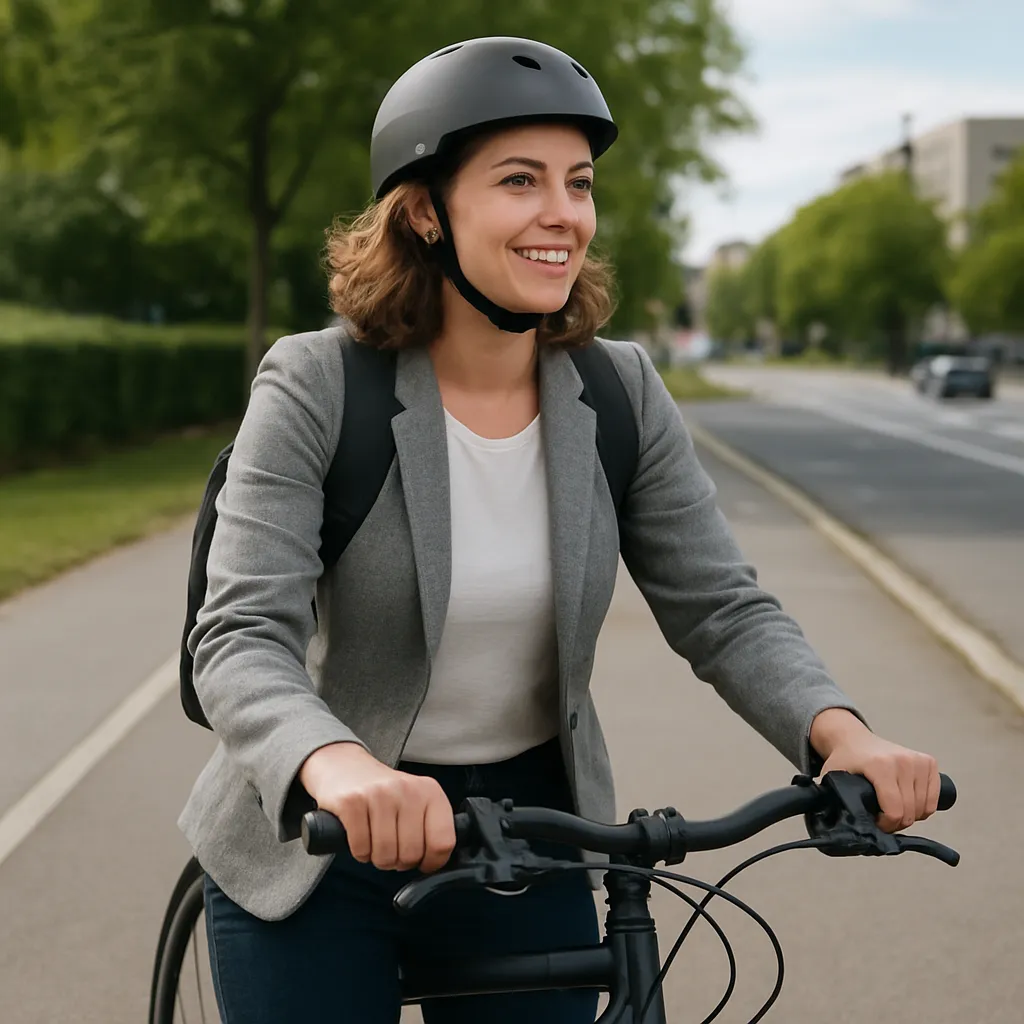
Embarking on a journey to replace four wheels with two can transform your daily routine, boost your health, and shrink your carbon footprint. Commuting by bicycle unlocks a world where traffic jams become opportunities for personal growth, and the urban landscape unfolds at a leisurely pace. This guide will walk you through the essential steps to confidently start riding to work, ensuring that each pedal stroke brings you closer to a more active and engaged lifestyle.
Benefits of Commuting by Bike
Exploring the benefits of two-wheeled travel reveals why more people are choosing bikes over cars. Beyond simple transportation, bike commuting ignites a sense of freedom and purpose:
- Enhanced fitness: Regular daily rides improve cardiovascular health, muscle tone, and endurance without the monotony of the gym.
- Reduced carbon emissions: Opting for a sustainable mode of transport cuts down on air pollution and your personal environmental impact.
- Cost savings: Minimal equipment costs, no fuel expenses, and decreased parking fees add up to real financial relief.
- Stress relief: Physical exertion releases endorphins, transforming your morning routine from rushed anxiety into a pleasant warm-up for the day ahead.
- Community connection: Rolling through neighborhoods allows you to notice local shops, green spaces, and friendly faces you’d otherwise miss.
Getting Started: Choosing the Right Bike
Before hitting the pavement, select a bicycle that suits your needs and terrain. Consider these factors:
- Bike Type: Commuter or hybrid bikes offer a balance of comfort and speed, while road bikes excel in efficiency over long distances. Mountain bikes handle rough paths but can be heavier.
- Frame Fit: Stand over the top tube; there should be 1–2 inches of clearance for road frames and 3–4 inches for mountain frames. Proper fit reduces aches and improves control.
- Gearing: If your route includes steep hills, opt for a bike with multiple gears to tackle inclines with ease. Single-speed models may suffice for flat terrain.
- Tire Selection: Wider tires increase comfort and stability, especially on uneven roads, while narrower tires reduce rolling resistance and increase speed.
- Brakes: Disc brakes provide reliable stopping power in wet conditions, whereas rim brakes are lighter and easier to maintain.
Test ride several models to find the one that feels most natural. Pay attention to the saddle height, handlebar position, and overall balance. A properly tuned ride can make or break your daily commute.
Planning Your Route
Mapping out a safe and efficient route is critical for an enjoyable experience. Follow these guidelines:
- Scout Alternative Paths: Use bike-specific apps or local cycling maps to uncover bike lanes, greenways, and low-traffic streets.
- Avoid Major Thoroughfares: Busy roads may offer a direct path but often compromise safety. Opt for quieter side streets when possible.
- Time Trials: Do a dry run on a weekend or during off-peak hours. Take notes on tricky intersections, road surface quality, and potential shortcuts.
- Public Transit Integration: If part of your journey is too long, consider folding bikes or bike racks on trains and buses to combine modes seamlessly.
- Weather Contingencies: Identify sheltered areas or covered bike parking to protect your ride from rain or snow. Plan alternate routes during storms.
Building familiarity with your path reduces anxiety and helps you anticipate obstacles. Keep a small notebook or digital log of adjustments after each trial ride to incrementally refine your daily path.
Essential Gear and Safety
Investing in quality accessories ensures comfort, visibility, and peace of mind. Consider the following equipment:
- Helmet: A properly fitted helmet is non-negotiable. Look for helmets meeting international safety standards and replace them every five years or after impact.
- Lights and Reflectors: Front white lights, rear red lights, and reflective strips on clothing or bike frames increase visibility in low light.
- Lock: A sturdy U-lock or heavy-duty chain lock deters potential theft. Always secure frame and wheel to a fixed object.
- Bell or Horn: Alert pedestrians and other cyclists, especially in mixed-use zones and shared trails.
- Repair Kit: Carry a spare tube, tire levers, multi-tool, and mini pump to tackle roadside repairs and avoid being stranded.
- Weather Gear: Waterproof jacket, gloves, and fenders keep you dry in rain. In colder months, layer up with thermal leggings and insulated boot covers.
Wearing high-contrast or fluorescent clothing further enhances your profile to motorists. Regular maintenance—lubricating the chain, checking brake pads, and ensuring tire pressure—is essential for long-term reliability.
Building Habits and Maintaining Motivation
Transitioning from car to bike requires persistence and a dash of creativity. Here are strategies to make cycling a lasting habit:
- Gradual Increase: Start with two or three days a week and gradually work up to daily rides. This approach minimizes muscle soreness and builds confidence.
- Accountability Partners: Find a community of cyclist colleagues or join local ride groups. Shared goals and camaraderie keep you engaged.
- Track Progress: Use apps or a simple journal to log distance, time, and even calories burned. Visual milestones reinforce a sense of achievement.
- Reward System: Treat yourself after hitting milestones—new gear, a relaxing massage, or a weekend group ride—to celebrate progress.
- Flexibility: Life happens. Have backup plans for when you’re running late or the weather turns unforgiving. Sometimes combining bike and train or opting for a shortened ride is necessary.
Over time, the act of daily riding becomes second nature. You’ll notice improved mood, sharper focus at work, and a deeper connection to your urban surroundings. With consistency, your new routine will not only improve personal well-being but also become a small yet powerful contribution to a cleaner, healthier city.