Cycling through city streets demands more than just pedaling power; it requires an unwavering focus on staying visible and safe amid traffic. Whether you commute to work, run errands, or explore urban alleys for leisure, integrating smart habits and the right gear ensures you remain a clear presence on the road at all hours. From selecting high-performance lights to honing communication techniques, each step contributes to a confident and protected journey.
Choosing the Right Lighting
Effective lighting is the cornerstone of road visibility for any cyclist. Without powerful and reliable lights, you risk becoming nearly invisible to motorists, pedestrians, and fellow riders—especially in low-light environments. Investing in top-tier equipment can make the difference between being seen seconds late or being noticed well in advance.
- Front Lights: Opt for LED lights with adjustable brightness settings. Look for models rated at least 500 lumens for urban use, which pierce through shadows cast by buildings and street furniture.
- Rear Lights: A steady red beam complemented by a flashing mode enhances your profile. Features such as USB rechargeability and water resistance add durability for all-weather reliability.
- Side Lighting: Clip-on spoke lights or frame-mounted strips boost lateral visibility, alerting drivers turning across your path from intersections or driveways.
- Helmet Lights: By mounting an auxiliary light on your helmet, you achieve a directed beam controlled by head movement, ensuring you’re noticed when looking around corners.
Regularly check battery levels before each ride and carry extra power packs or spare batteries to avoid unexpected outages on long commutes.
Selecting Reflective Gear
While bright lights illuminate the way, reflective materials amplify your silhouette when struck by external light sources, such as car headlights. Choose items that combine high visibility with comfort so you’re inclined to wear them consistently.
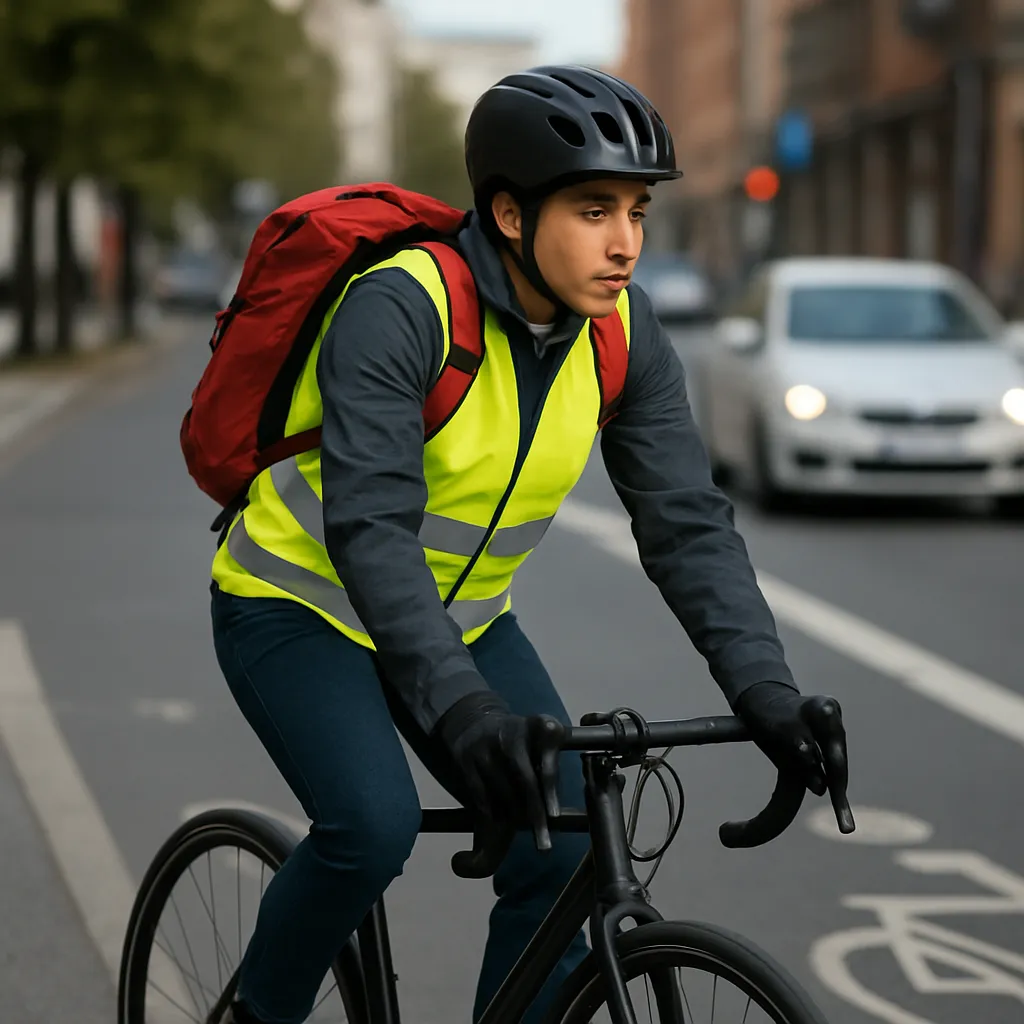
- Vests and Jackets: Lightweight, breathable vests with 360-degree reflective tape ensure you’re visible from every angle. Some designs even feature pockets for carrying small essentials.
- Reflective Bands: Slap-wrap ankle and wrist bands are versatile and unobtrusive, moving rhythmically with your limbs to draw attention.
- Helmet Stickers: Apply reflective decals on the front and sides of your helmet for additional flashes of light in peripheral zones.
- Backpacks and Panniers: Select bags with built-in reflective panels. When fully loaded, they maintain visibility without compromising storage space.
In particularly dark conditions, wearing contrasting colors—such as neon yellow or orange—further distinguishes you from the urban backdrop, reinforcing the reflective elements.
Positioning and Signaling Strategies
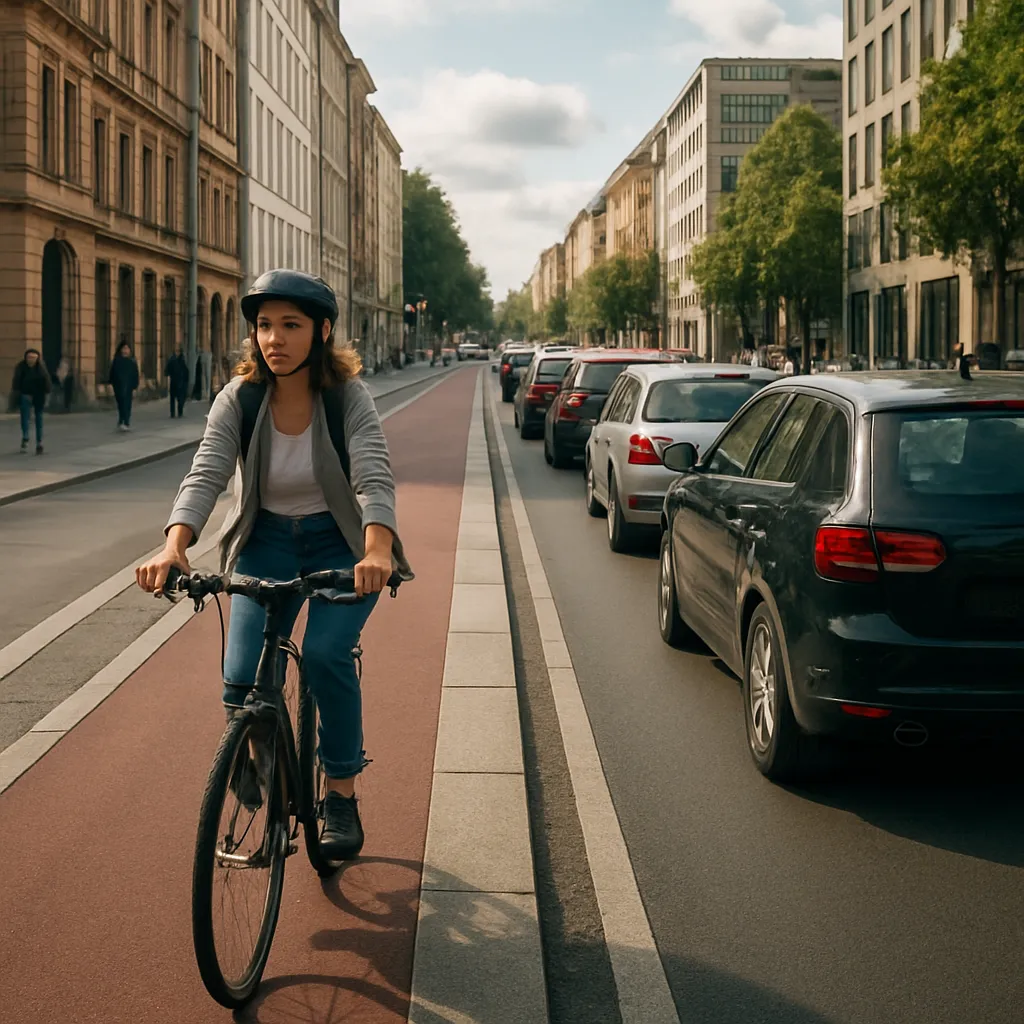
Maintaining an optimal lane position not only safeguards you from unpredictable car doors and parked vehicles but also establishes a predictable path that drivers can anticipate. Combine your position with clear signals to communicate intentions effectively.
- Center-Track Riding: In slower city traffic, occupy the right side of the travel lane instead of hugging the curb. This discourages unsafe overtaking and keeps you visible.
- Turning Signals: Extend your arm fully and maintain the position for at least three seconds before making any turn. Use your free hand to reinforce the signal if your other arm is engaged in braking.
- Eye Contact: Whenever possible, make eye contact with drivers at intersections and crosswalks. A brief nod or wave can confirm mutual awareness, reducing misunderstandings.
- Brake Light Emulation: Tap your front light off and on or use the built-in flashing mode to signal a sudden stop, especially when approaching red lights or unexpected hazards.
Consistently combining positioning with well-timed signaling creates a transparent dialogue between you and other road users, fostering safer interactions.
Maintaining Awareness of Surroundings
Beyond equipment and position, honing your observational skills is critical. Vigilance helps you anticipate potential dangers—such as opening car doors, jaywalking pedestrians, or erratic vehicles—and adjust your course accordingly.
Key practices include:
- 360° Scanning: Periodically glance over both shoulders while keeping a light grip on handlebars to monitor traffic behind you. Supplement with a rear-view mirror attached to your helmet or handlebar.
- Auditory Cues: Avoid noisy headphones that muffle ambient sounds. Instead, embrace the hum of engines and honking horns as early warnings of approaching vehicles.
- Predictive Riding: Observe driver behavior—such as turning wheels at stoplights or brake lights glowing—and preemptively adjust speed or position to avoid conflicts.
Staying mentally engaged transforms routine rides into controlled environments where you can respond swiftly and confidently to emerging hazards.
Adapting to Weather and Light Conditions
Urban climates can shift rapidly, bringing rain, fog, or glare that challenge your visibility. Preparation is essential to maintain a luminous presence under any sky.
- Rainproof Covers: Waterproof housings for lights ensure consistent output despite wet conditions. Combine with a clear rain cape over your reflective vest to shield both you and the reflective elements.
- Fog Lenses: Swap standard lenses for yellow-tinted covers that improve contrast in misty or smoggy environments.
- Sun Glare Mitigation: Equip handlebars with a small visor or cap to shield your front light from direct sun and to prevent glare from blinding drivers approaching from behind.
- Routine Maintenance: Keep lenses clean and scratch-free. Dirt accumulation reduces light intensity and reflection effectiveness over time.
By tailoring your setup for varied weather and lighting scenarios, you preserve maximum visibility and diminish the risk of being overlooked.
Advanced Communication and Community Engagement
Effective visibility extends into fostering a community ethos where motorists and cyclists coexist respectfully. Leveraging digital tools and local networking amplifies your safety impact.
- Apps and GPS Alerts: Utilize navigation apps that warn drivers about high-cyclist zones. Sharing your ride route publicly encourages motorists to anticipate your presence in real time.
- Group Rides: Joining organized urban rides boosts visibility collectively. Larger groups act as mobile beacons, prompting drivers to yield more space.
- Social Media Campaigns: Advocate for better bike lanes and improved street lighting by sharing your safety tips and ride experiences online. A unified voice can prompt municipal changes that benefit all road users.
Building a network of alert and courteous urban cyclists and drivers elevates safety standards citywide, transforming individual habits into lasting, community-driven improvements.