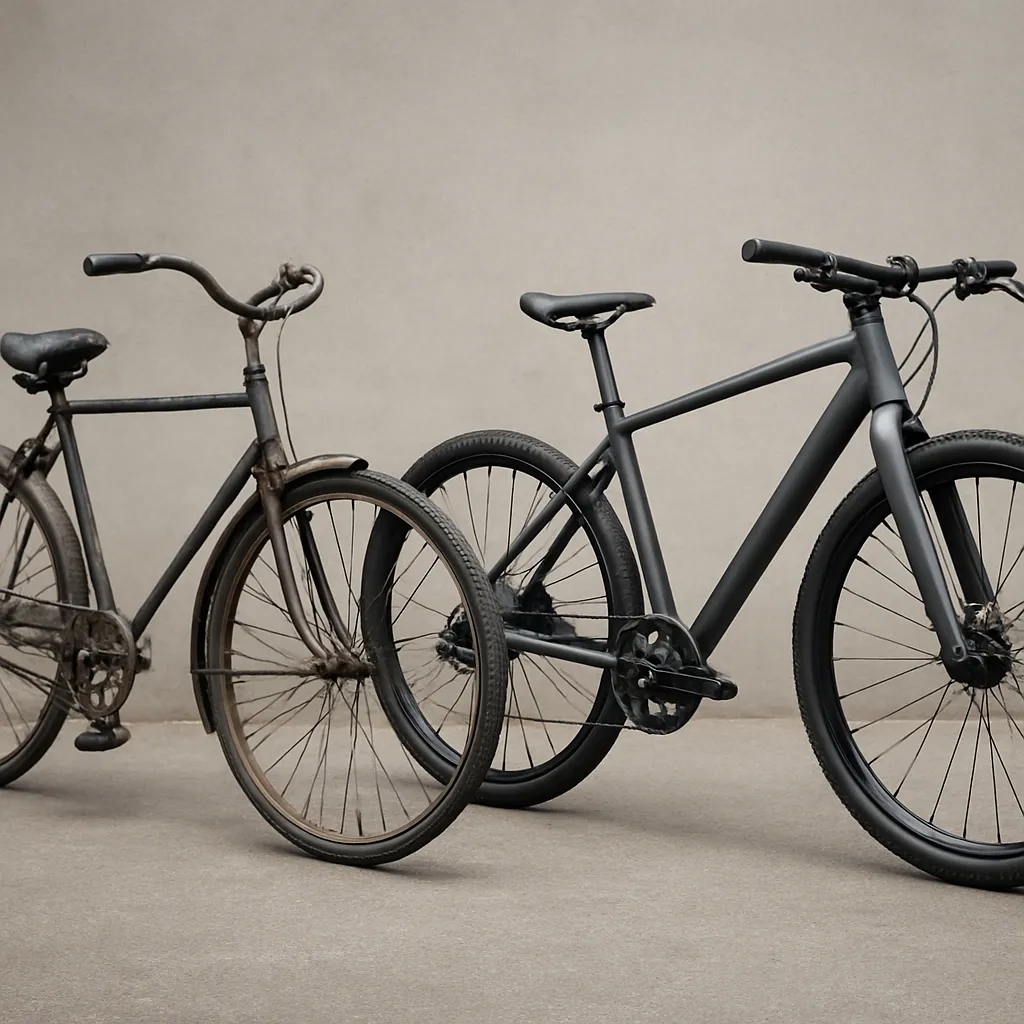
Upgrading an old bicycle can be a rewarding journey that breathes new life into a trusted companion. Whether it’s a vintage steel frame or an early aluminum model, transforming a tired ride into a modern marvel involves careful planning, quality parts and a dash of creativity. This guide explores key steps—from assessing existing components to selecting cutting-edge upgrades—to achieve a smoother, safer and more enjoyable cycling experience.
Assessing Your Bicycle’s Foundation
Inspecting the Frame
Before diving into upgrades, examine the frame’s integrity. Look for hairline cracks, excessive rust or misalignment in the tubes and dropouts. A solid foundation ensures that further investments in components pay off. Use a straightedge to check alignment and sand away surface corrosion before applying rust-preventive treatments.
Evaluating Wheels and Hubs
Old wheels often suffer from bent rims, loose spokes and worn hub bearings. Spin each wheel to spot wobbles and listen for grinding sounds. Tighten loose spokes or consider new rims for improved durability. Upgrading bearings—sealed cartridge or ceramic—can dramatically enhance rolling smoothness.
Assessing the Drivetrain
- Chain wear measurement with a tool to determine stretch
- Pedal crank inspection for play or damage
- Cassette and chainring condition—look for shark-tooth wear patterns
Replacing a stretched chain, worn cassette or bent crank arms is essential for shifting precision and pedaling efficiency.
Selecting High-Performance Upgrades
Modern Drivetrain Systems
Contemporary drivetrain groupsets offer smoother shifts, wider gear ranges and lighter weight. Choose between mechanical or electronic shifting—both deliver reliable performance. A compact crankset paired with an 11- or 12-speed cassette expands your gear options, improving hill-climbing and high-speed flats.
Advanced Brake Solutions
Upgrading to disc brakes, whether mechanical or hydraulic, delivers consistent stopping power in wet and dry conditions. Hydraulic systems require minimal hand pressure and self-adjust when pads wear, enhancing safety. If your frame lacks disc mounts, high-quality dual-pivot rim brakes with modern pads can still offer excellent modulation.
Lightweight Wheelsets
Investing in tubeless-ready rims or carbon fiber wheels can reduce rotating mass, improving acceleration and overall ride feel. Pair with high-quality radial or semi-tubular tires in 25–32 mm widths to balance comfort and low rolling resistance. Sealant-based tubeless setups also guard against punctures.
Enhancing Comfort and Control
Ergonomic Handlebars and Stem
Modern handlebars come in varied shapes—compact drops, flared gravel bars or ergonomic tops. Choose a bar that complements your riding style and body geometry. Combine with an adjustable or angled stem to fine-tune reach and stack height, enhancing wrist position and reducing fatigue.
Upgraded Saddle and Seatpost
Comfortable saddle selection depends on pelvic width, sit bone spacing and personal preference. Consider cutaway designs or gel inserts for extended rides. A carbon or alloy micro-adjust seatpost with built-in vibration damping can further smooth out harsh road feedback.
Improved Pedals and Cleat Systems
Clipless pedals boost pedaling performance by securing your foot and enabling a full pedal stroke. Look for float adjustment, wide platforms and sealed bearings. If you prefer flats, high-grip pins on composite or alloy pedals ensure a confident connection with your shoes.
Integrating Advanced Technology
Electronic Shifting and Power Meters
Adding an electronic derailleurs system, such as SRAM eTap or Shimano Di2, allows crisp, lightning-fast shifts. Wireless setups eliminate messy cables and reduce maintenance. Pair with a crank or pedal-based power meter to monitor your output, training data and pedaling balance in real time.
Smart Cycling Computers
Modern GPS head units display speed, distance, elevation and turn-by-turn navigation. Many offer wireless connectivity for heart rate monitors, power meters, cadence sensors and smartphone notifications. Mount units securely to maintain visibility without compromising aerodynamics.
Lighting and Visibility
- USB-rechargeable front and rear lights with multiple modes
- Integrated frame lights or spoke LEDs for 360° visibility
- Reflective tape, high-visibility clothing and helmet lights
Upgrading lighting not only enhances night riding but also improves daytime conspicuity, adding an extra layer of safety.
Finishing Touches and Customization
Paint, Decals and Protection
A fresh coat of paint or new decals can revive a bike’s visual appeal. Consider powder coating for a durable finish. Apply clear protective film on top tubes and down tubes to guard against cable rub and rock chips. Personalize color schemes to reflect your style.
Accessory Integration
Functional accessories can elevate your ride:
- Multi-tool and CO₂ inflator cages for on-the-road repairs
- Mid-compact frame bag or under-saddle pack for essentials
- GPS phone mounts and hydration solutions—bottles or hydration packs
Routine Maintenance Practices
Even the best upgrades require regular care. Establish a maintenance routine: clean and lube the chain every 200 km, check bolt torque monthly, and inspect brake pads and cables for wear. Proper upkeep preserves your investment and extends the life of every component.
Mastering the Art of Bicycle Customization
Balancing Weight and Performance
Every gram saved contributes to nimble handling and faster climbs. Prioritize upgrades that offer the best weight-to-durability ratio. Carbon seatposts, hollow-formed alloy cranks and titanium hardware can shave grams without compromising strength.
Rider-Centric Ergonomics
Keep adjusting until every hand position feels natural and every pedal stroke efficient. Custom-molded bar tape, cut-to-fit saddle widths and micro-adjust stem spacers fine-tune fit. Small ergonomic improvements add up to big gains in long-ride comfort.
Personal Expression through Design
Beyond raw performance, let your bike reflect your personality. Custom paint schemes, hand-stitched leather saddles, artisanal grips or laser-etched headbadges create a machine that’s uniquely yours. This blend of art and engineering showcases what makes cycling both functional and beautiful.