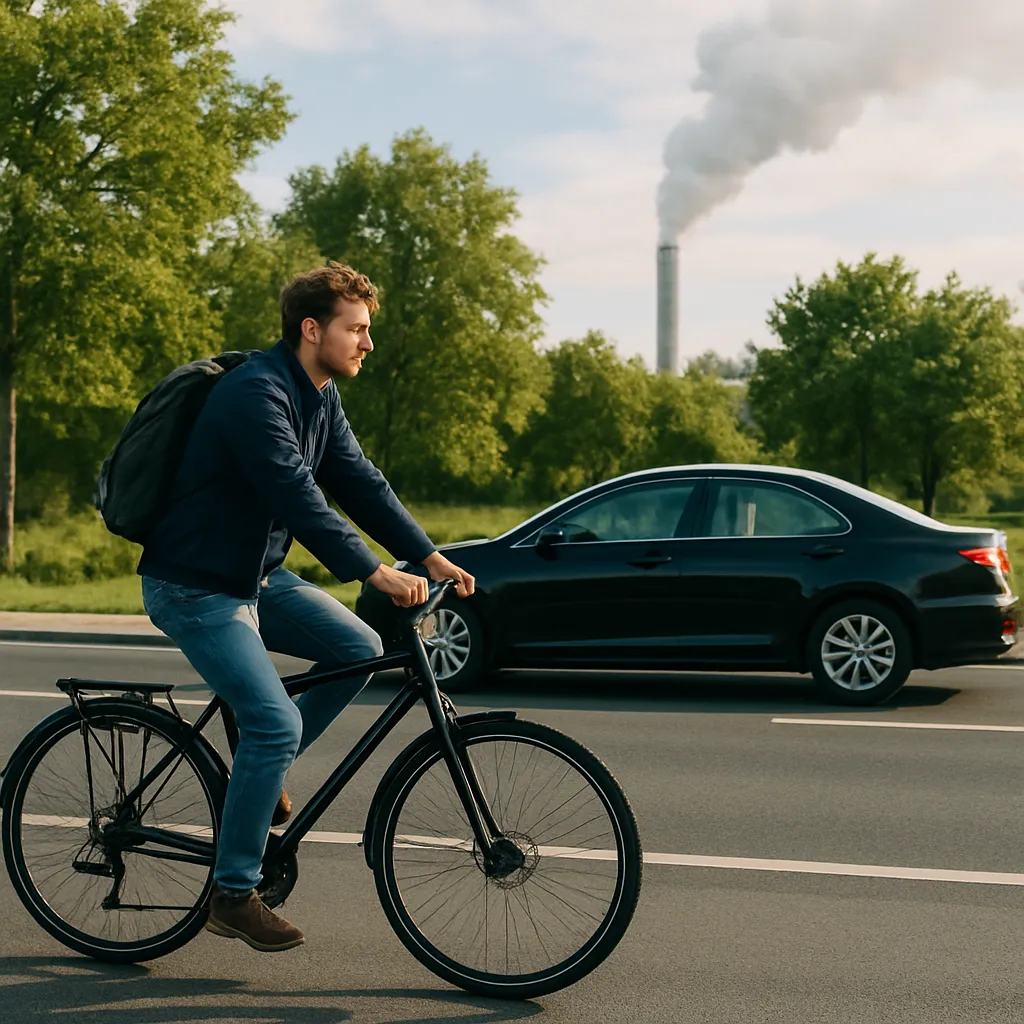
The relationship between people and their two-wheeled companions has evolved beyond simple transportation. Bicycles have become symbols of freedom, sustainability, and personal expression. Exploring the world on pedals opens up avenues for exploration, wellness, and social engagement. This article delves into the multifaceted universe of cycling, covering the cultural shifts, technological breakthroughs, physical benefits, and the vibrant communities that make biking an enduring passion.
Urban Cycling Culture and Modern Mobility
Cities across the globe are embracing the bicycle as a cornerstone of efficient and eco-friendly transportation. Dedicated bike lanes, traffic-calmed streets, and bike-sharing programs have reshaped urban landscapes, reducing congestion and pollution. In many metropolises, subway stations incorporate secure bicycle parking, while innovative apps guide riders through safe routes and highlight bike-friendly cafés and parks.
The integration of cycling into city planning involves more than simply painting lanes on asphalt. Municipal governments engage with cycling advocates to design networks that address commuter safety, accessibility for people of all ages, and equitable distribution of resources. A robust cycling infrastructure not only cuts down on car usage, but also fosters a sense of belonging among riders, who often form spontaneous clubs or groups around specific interests such as coffee meet-ups, night rides, or weekend photo tours.
- Sustainability: Reduces carbon footprint and noise pollution.
- Connectivity: Links neighborhoods and public transit hubs.
- Resilience: Offers reliable travel even during fuel shortages or strikes.
- Community: Encourages social interaction and local business growth.
As biking gains a reputation for convenience, citizens are more willing to leave their cars at home. Employer-supported programs often include subsidies for bicycle purchases or maintenance. Schools educate children through “bike buses,” where students ride together under adult supervision, promoting safe habits and fostering early appreciation for pedal-powered journeys.
Advancements in Bicycle Design and Technology
From the classic steel-frame road bike to cutting-edge electric models, innovation drives the cycling industry forward. Engineers strive to balance lightness, durability, and performance by experimenting with materials such as carbon fiber, bamboo composites, and advanced aluminum alloys. Suspension systems, once exclusive to mountain bikes, now appear on urban commuters to smooth out pothole-riddled streets.
Electric Assistance and Smart Features
Electric bicycles have revolutionized travel for those who require a little extra push. Pedal-assist motors, combined with high-capacity batteries, make uphill climbs and long commutes far less intimidating. Integrated sensors adjust assistance levels in real time, ensuring optimal energy usage and a natural riding experience.
- GPS-enabled locks that alert owners to tampering.
- Bluetooth connectivity for ride tracking and performance analytics.
- Regenerative braking systems that recharge batteries during downhill segments.
Smart helmets equipped with turn signals and crash detection, along with wearable devices that monitor vital signs, create a networked bicycling ecosystem. Riders can share their routes online, join virtual challenges, and compete with friends, fostering a blended experience of physical exertion and digital engagement.
Customization and Artisanal Craftsmanship
Beyond mass-produced frames, a growing niche of custom builders caters to aficionados who seek truly unique rides. Hand-brazed steel frames, personalized paint jobs, and bespoke saddle designs offer a canvas for self-expression. Workshops often host open days where riders witness the craftsmanship, discuss geometry preferences, and test prototypes before final assembly.
Health, Fitness, and Personal Growth
Cycling is one of the most accessible forms of exercise, delivering cardiovascular benefits while minimizing stress on joints. Whether tackling challenging hills or enjoying a leisurely cruise through a park, riders improve endurance, tone muscles, and boost mental well-being through the release of endorphins. Many doctors now prescribe cycling as part of rehabilitation for conditions such as obesity, hypertension, and depression.
- Cardio workout that strengthens heart and lungs.
- Low-impact exercise ideal for all ages.
- Stress reduction through exposure to fresh air and nature.
- Improved balance and coordination over time.
Setting personal goals—such as completing a century ride (100 miles) or conquering a steep mountain pass—instills a sense of achievement and fosters perseverance. Training plans, available through books and apps, guide both novices and seasoned riders through structured workouts, rest days, and nutritional advice. Group rides often include careful pacing, mechanical support, and social breaks, making endurance events approachable for first-timers.
Community Events, Advocacy, and Social Impact
Communities worldwide organize events that celebrate the bicycle in all its forms. Charity rides raise funds for causes ranging from medical research to urban green space development. Family-friendly festivals feature cargo-bike demonstrations, maintenance workshops, and obstacle courses for children. Critical Mass rides reclaim city streets for cyclists, drawing attention to the need for safer infrastructure.
Advocacy groups lobby for changes in legislation, such as reduced speed limits, lower fares on bike ferries, and more substantial funding for bike lanes. They collaborate with urban planners to ensure that new developments incorporate adequate bicycle parking and connectivity to existing pathways.
International Races and Touring Expeditions
From the multi-week professional tours like the Tour de France to grassroots gravel grinders in remote regions, bicycle racing showcases the pinnacle of human endurance and teamwork. Meanwhile, long-distance touring attracts adventurers who traverse continents, carrying all necessary gear in panniers and trailers. These journeys demand meticulous planning, resourcefulness, and respect for local cultures.
- Support networks offering roadside assistance and accommodations.
- Online forums where riders exchange tips on gear, routes, and budgeting.
- Cultural exchanges through homestays and community-hosted meals.
Through these expeditions, cyclists become global ambassadors of low-impact travel and cross-cultural understanding. They demonstrate how the humble bicycle can build bridges between communities and challenge stereotypes about mobility and independence.
Future Directions and Emerging Trends
The next generation of cycling innovations promises even greater integration with urban ecosystems. Plans for solar-powered bike stations, dynamic route planning based on real-time traffic data, and modular cargo attachments suggest an era when bicycles serve as versatile micro-vehicles for commerce, leisure, and delivery services.
Autonomous bicycle prototypes, though still experimental, propose self-balancing designs capable of navigating complex environments. Meanwhile, biomimetic technology examines insect flight and fish schooling to improve aerodynamic performance and group riding efficiency.
Whether pedaling to work, embarking on cross-country adventures, or joining a casual group ride at dawn, cyclists continue to shape a culture that values innovation, adventure, and human connection. As two wheels roll forward, they carry a legacy of environmental stewardship, physical vitality, and collective creativity into the future.