Cycling across vast landscapes offers a unique blend of physical exertion, cultural immersion, and breathtaking views. From winding coastal roads to rugged mountain passes, touring by bicycle challenges riders to push their limits while connecting with nature and local communities. Whether you’re a seasoned tourer seeking your next epic journey or a newcomer eager to experience freedom on two wheels, these insights will help you prepare for an unforgettable ride.
Choosing the Right Bicycle and Gear
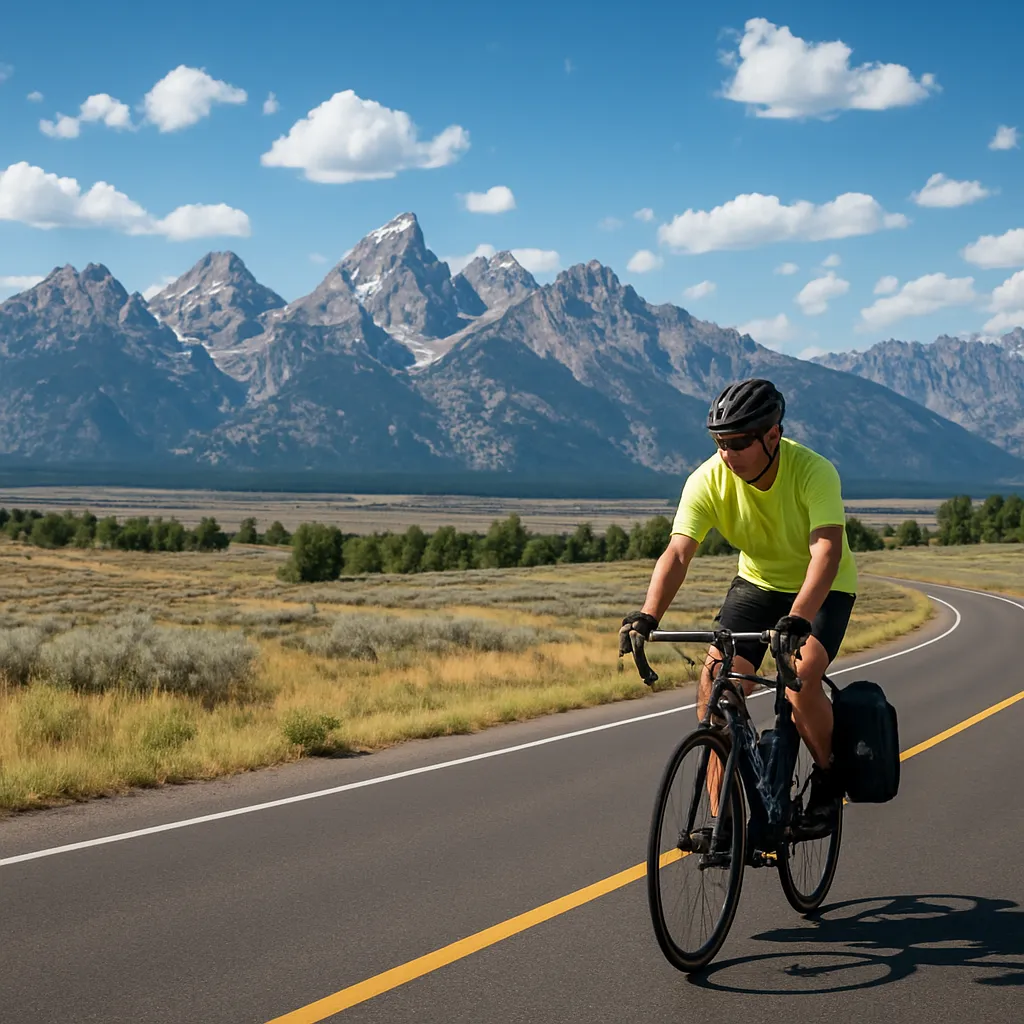
Selecting the ideal bike and equipment lays the foundation for a successful long-distance adventure. A touring bicycle should balance endurance with comfort, allowing riders to cover hundreds of miles without undue fatigue. Popular options include steel-frame touring bikes and modern gravel bikes, each offering unique advantages.
- Frame Material: Steel frames absorb road vibration and are easily repairable in remote areas. Aluminum and carbon fiber frames weigh less but may transmit more bumps.
- Tire Selection: Wider tires (35–50 mm) provide stability and traction on mixed surfaces. Tubeless setups reduce punctures and allow for lower tire pressure.
- Drivetrain: A wide gear range is crucial for climbing steep inclines. Consider a triple crankset or a 1x setup with a large cassette to conquer mountainous terrain.
- Panniers and Racks: Durable racks paired with waterproof panniers distribute weight evenly and protect belongings from rain and dust.
- Essentials: Carry a multi-tool, spare tubes, patch kit, pump, chain lube, and a first-aid kit. Quality lights and reflective gear ensure visibility during dawn, dusk, or nighttime riding.
Planning Your Long-Distance Route
Effective planning transforms an ambitious idea into a tangible itinerary. Research climate patterns, road conditions, and available services to create a realistic daily schedule. Flexibility remains key—unexpected weather or mechanical issues can arise.
- Mapping Tools: Digital platforms like Ride with GPS and Komoot offer elevation profiles and surface details. Print paper maps as a backup when connectivity wanes.
- Daily Distance: Beginners might aim for 40–60 miles per day, while experienced riders comfortably tackle 70–100 miles. Factor in rest days for recovery.
- Accommodation Options: From tent camping in national parks to small inns and hostels, mix lodging styles to manage budget and comfort. Warmshowers hosts provide a cyclist-friendly community network.
- Resupply Points: Plan stops near grocery stores, pharmacies, and bike shops. Carry emergency snacks and water if riding through remote stretches.
- Local Regulations: Research vehicle regulations, trail permits, and wildlife guidelines, especially in protected reserves or tribal lands.
Top 5 Iconic Routes Across the USA
The United States boasts a wealth of scenic byways perfect for long-distance cycling. Here are five must-ride corridors, each offering a distinct blend of scenery and culture:
- Pacific Coast Route: Stretching from Vancouver, BC, to Baja California, this coastal gem showcases ocean vistas, redwood forests, and sun-kissed beaches. Climbs through Big Sur and solitude along Oregon’s cliffs reward riders with spectacular coastal panoramas.
- Great Divide Mountain Bike Route: Spanning from Banff, Alberta, to Antelope Wells, New Mexico, this off-road trail traverses the Continental Divide. Expect challenging singletrack, high-altitude passes, and wildflower-laden meadows.
- TransAmerica Trail: Originating in Yorktown, Virginia, and concluding in Astoria, Oregon, this classic route crosses the Blue Ridge Mountains, Great Plains, and Rocky Mountains. Enjoy small-town charm and historical landmarks along the way.
- Southern Tier: Crossing the southern border states from San Diego, California, to St. Augustine, Florida, this corridor weaves through deserts, cotton fields, and bayou swamps. Experience cultural diversity, from Mexican influences to Cajun cuisine.
- Lake Michigan Circle Tour: A loop encircling Lake Michigan through four states. Pedal past lighthouses, dunes, and vineyards while sampling local cheeses and craft beers in quaint lakeside towns.
Essential Training and Safety Tips
Embarking on a multi-day ride requires both physical preparation and mental fortitude. A structured training regime elevates endurance and minimizes injury risk, while safety practices keep you secure on diverse roadways.
- Structured Rides: Incorporate long weekend rides, interval workouts, and hill repeats into your weekly schedule. Gradually increase mileage by 10% each week.
- Core and Flexibility: Strengthen your core muscles through planks and pilates to maintain proper posture. Stretch hamstrings, quads, and lower back daily.
- Nutrition and Hydration: Practice on-bike fueling with energy bars, gels, and electrolyte drinks. Aim for carbohydrate intake of 60–90 grams per hour during intense rides.
- Weather Preparedness: Pack layers for temperature swings. Waterproof jackets and breathable fabrics protect against rain and overheating.
- Road Etiquette: Ride predictably, signal turns, and offer verbal warnings when passing pedestrians or other cyclists. Obey traffic laws and remain vigilant at intersections.
Maintaining Your Bicycle During a Tour
Regular upkeep ensures your ride remains smooth and reliable over thousands of miles. Develop basic resilience by mastering on-the-spot repairs and routine checks.
- Daily Checks: Inspect tire pressure, brake pad wear, and chain lubrication each morning. Address any issues before hitting the road.
- Chain Care: Clean and lube the chain every 200–300 miles. A well-lubricated drivetrain reduces wear and improves shifting performance.
- Brake Adjustments: Squeaky or soft brakes signal pad wear or cable stretch. Tighten cables and replace pads when necessary.
- Wheel Truing: Knocked spokes can cause wobble. Carry a spoke wrench and learn to tension spokes evenly.
- Professional Tune-Ups: Schedule a mid-tour service at a reputable bike shop to recalibrate derailleurs, true wheels, and freshen cables.
Connecting with the Cycling Community and Culture
Embarking on a cross-country ride isn’t just a solitary endeavor—it’s an opportunity to engage with fellow enthusiasts and local traditions. Whether participating in organized events or spontaneous group rides, community interaction enriches your journey.
- Local Clubs: Many towns host weekly social rides. These gatherings offer insights into regional routes and insider tips on dining or lodging.
- Charity Rides: Fundraising events combine the spirit of giving with competitive challenge riding. Support causes close to your heart while expanding your network.
- Cycle Cafés and Hostels: Bike-friendly accommodations often feature repair stations, communal kitchens, and shared stories from seasoned tourers.
- Online Forums: Platforms like Reddit’s r/bicycletouring or Warmshowers provide real-time advice and potential hosts en route.
- Local Cuisine: Sample regional specialties—fish tacos in California, smoked barbecue in Texas, or craft beer in the Midwest—to connect with local heritage.
Capturing Memories and Stories
Documenting your expedition preserves both physical milestones and emotional highlights. Photography, journaling, and social media sharing deepen reflection on the transformative power of a long-distance ride.
- Photo Techniques: Use wide-angle lenses for landscapes and close-ups for local encounters. Capture golden hour lighting for dramatic effects.
- Journaling Prompts: Note daily routes, weather conditions, memorable conversations, and personal revelations. Over time, themes of exploration and self-discovery often emerge.
- Video Logs: Short clips documenting climbs, descents, and campsite routines bring your audience along for the adventure.
- Digital Backup: Store media on cloud services or external drives. Losing imagery can dull the impact of your journey’s narrative.
- Storytelling Workshops: After returning, share your tale at local clubs or online webinars to inspire the next wave of touring cyclists.