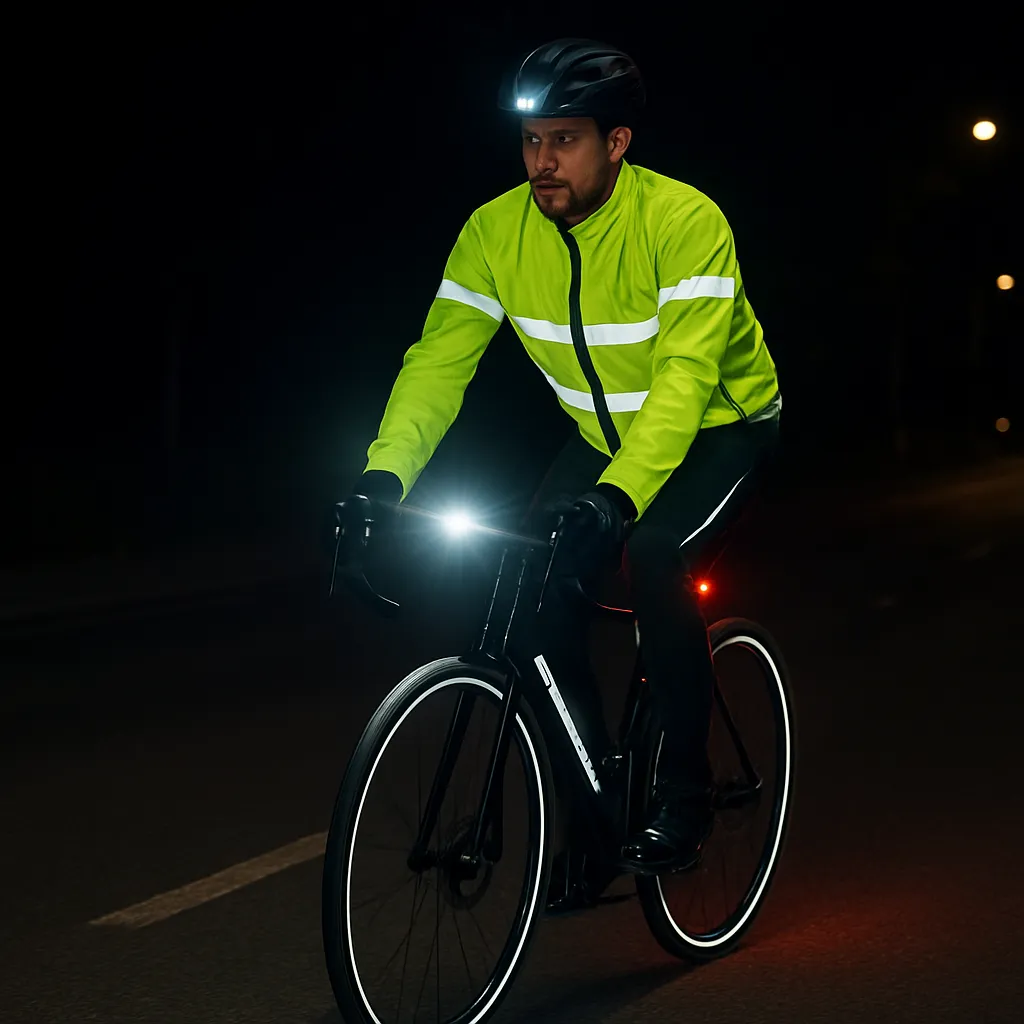
Under the cover of night, cycling demands more than a steady pedaling rhythm; it requires unwavering attention to gear that can keep you seen and safe. Darkness significantly reduces the distance at which motorists, pedestrians, and fellow cyclists can spot you. Investing in quality lighting and reflective equipment transforms your night ride into a secure journey, ensuring that hazards are illuminated and your presence is unmistakable.
Importance of Visibility on Night Rides
When you ride after dusk, natural light no longer serves as your guide. Instead, visibility hinges on the effectiveness of the equipment you carry. Poorly lit streets, sudden emergence of pedestrians, or unexpected debris can turn an ordinary ride into a perilous ordeal. By prioritizing both active and passive lighting solutions, you equip yourself with the tools necessary to:
- Alert drivers and road users well in advance
- Spot obstacles and road imperfections
- Communicate your intentions through flashing patterns or steady beams
- Maintain confidence and focus throughout the journey
Understanding the distinction between passive reflectors and active lights is crucial. Passive gear, such as reflective vests or tape, bounces external light sources back to the observer, while active lighting systems emit their own beam to cut through darkness. Integrating both types creates a multiplanar shield of safety.
Choosing the Right Reflective Gear
Reflective equipment is your passive defense against low-light risks. Modern advances in materials and manufacturing techniques have given rise to reflective elements that offer remarkable performance while remaining lightweight and unobtrusive.
High-Quality Reflective Materials
Films and fabrics embedded with glass bead or microprismatic technology can amplify returning light by up to 700%. Look for garments or accessories labeled “3M™ Scotchlite™” or similar, as these are tested and proven to deliver superior retroreflection.
Key Features to Consider
- Reflective Coverage – Ensure stripes or panels span multiple angles, wrapping around the torso or helmet for 360-degree visibility.
- Adjustability – Straps and elastic waistbands accommodate layering over different clothing.
- Durability – High-grade stitching and reinforced seams prevent peeling or fraying after repeated washes.
- Comfort – Breathable mesh backing reduces sweat buildup during warmer rides.
- Color Accent – Neon hues (lime green, neon orange) increase daytime visibility while adding contrast to reflective elements at night.
Optimal Lighting Systems for Night Cycling
Active lighting constitutes the cornerstone of night cycling safety. When selecting front and rear lights, several critical specifications must inform your decision:
Brightness and Beam Pattern
Brightness is rated in lumens. A high-power beam (600–1,200 lumens) cuts through pitch darkness, revealing potholes and road signs. For city commuting, a 200–400 lumen headlight may suffice, as street lamps supplement illumination. Beam pattern matters just as much as raw output:
- Wide flood beams cover peripheral vision, useful on twisting trails.
- Focused spot beams project light farther, ideal for straight rural roads.
- Mixed beams combine spot and flood for versatile performance.
Power Source and Battery Life
Rechargeable lights offer convenience and environmental benefits. Check the battery life under different modes: high-power, eco, and flashing. A quality front light should provide at least two hours on maximum output and over eight hours in a flashing pattern. Removable battery packs or integrated USB-C ports ease charging logistics.
Mounting Options and Security
Lights should mount securely to handlebars, seat posts, or helmet straps. Quick-release brackets allow fast attachment and removal, deterring theft when you make a quick stop. For helmets, low-profile LED pods conform to aerodynamic shapes without compromising comfort.
Waterproof and Weather Resistance
Night rides often coincide with unpredictable weather. Opt for lights rated IPX5 or higher, guaranteeing they withstand heavy rain splashes and brief submersion. A waterproof design ensures uninterrupted performance throughout the ride.
Supplementary Accessories and Best Practices
Beyond core lighting and reflective attire, additional accessories enhance your overall safety and riding experience.
Reflective Tire Strips and Wheel Spokes
Adding reflective stickers to wheel rims or spokes creates motion-based signals that catch the eye more effectively than static panels. This rotating pattern reinforces your lateral position on the road.
Helmet-Mounted Lights and Rear Flashers
Helmet lights deliver illumination wherever you look, making it easier to read maps or signal turns with eye focus. Complement them with a powerful rear flasher that includes multiple modes—steady, fast blink, and pulse—for maximum rearward presence.
Rearview Mirrors and Electronic Aids
Compact rearview mirrors mounted on handlebars or helmets allow you to monitor approaching traffic without turning your head. Some advanced systems integrate radar sensors that alert you to vehicles closing in from behind, typically through handlebar-mounted indicators or vibration modules.
Maintenance and Safety Checks
Regular inspection and upkeep of lighting and reflective gear ensure they perform reliably:
- Clean lenses and reflectors with a soft, damp cloth to remove grime.
- Test all flash modes before every ride.
- Charge rechargeable units fully and carry a backup power bank if on extended journeys.
- Replace worn-out reflective tape or faded garments to maintain peak performance.
By diligently selecting and maintaining your gear, you harness the full potential of modern technology in pursuit of a safer, more enjoyable night cycling experience. The right combination of design, placement, and regular upkeep transforms once-intimidating night rides into adventures you can pursue with confidence.