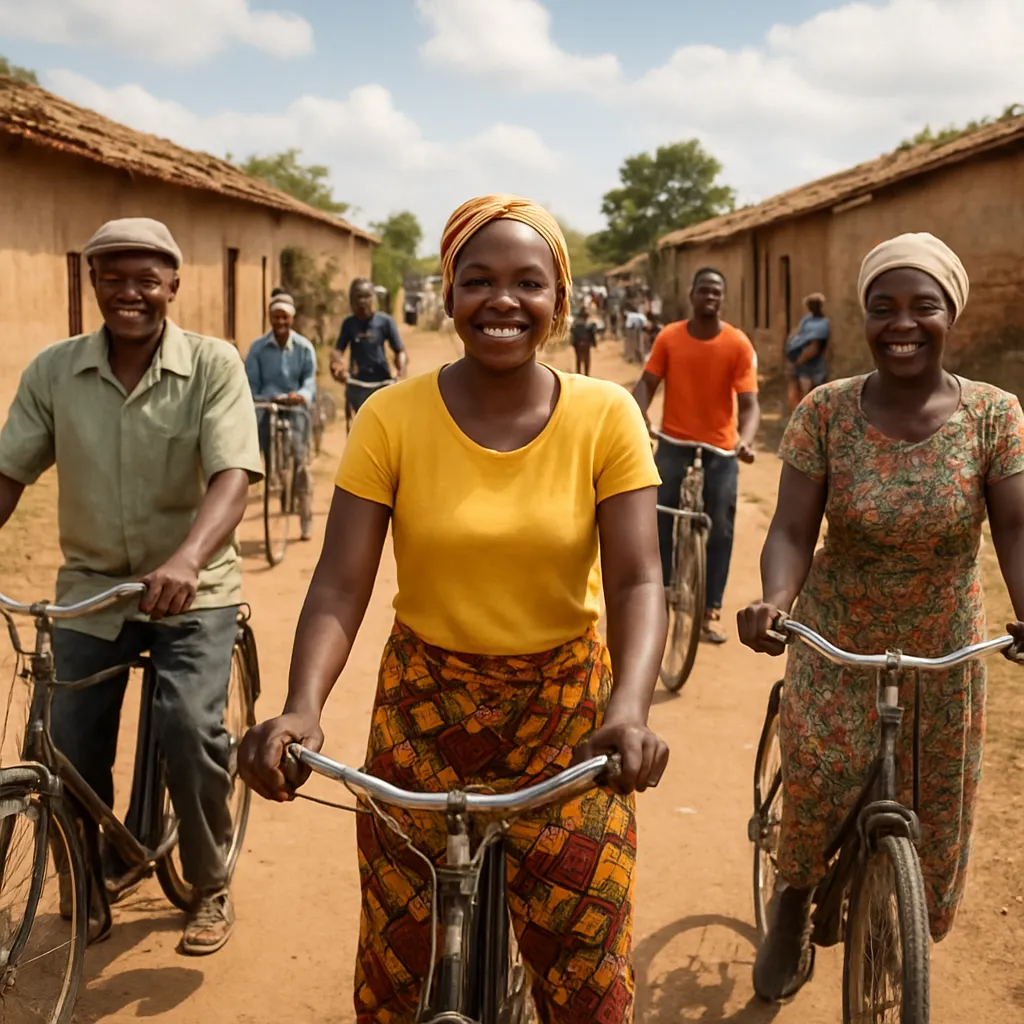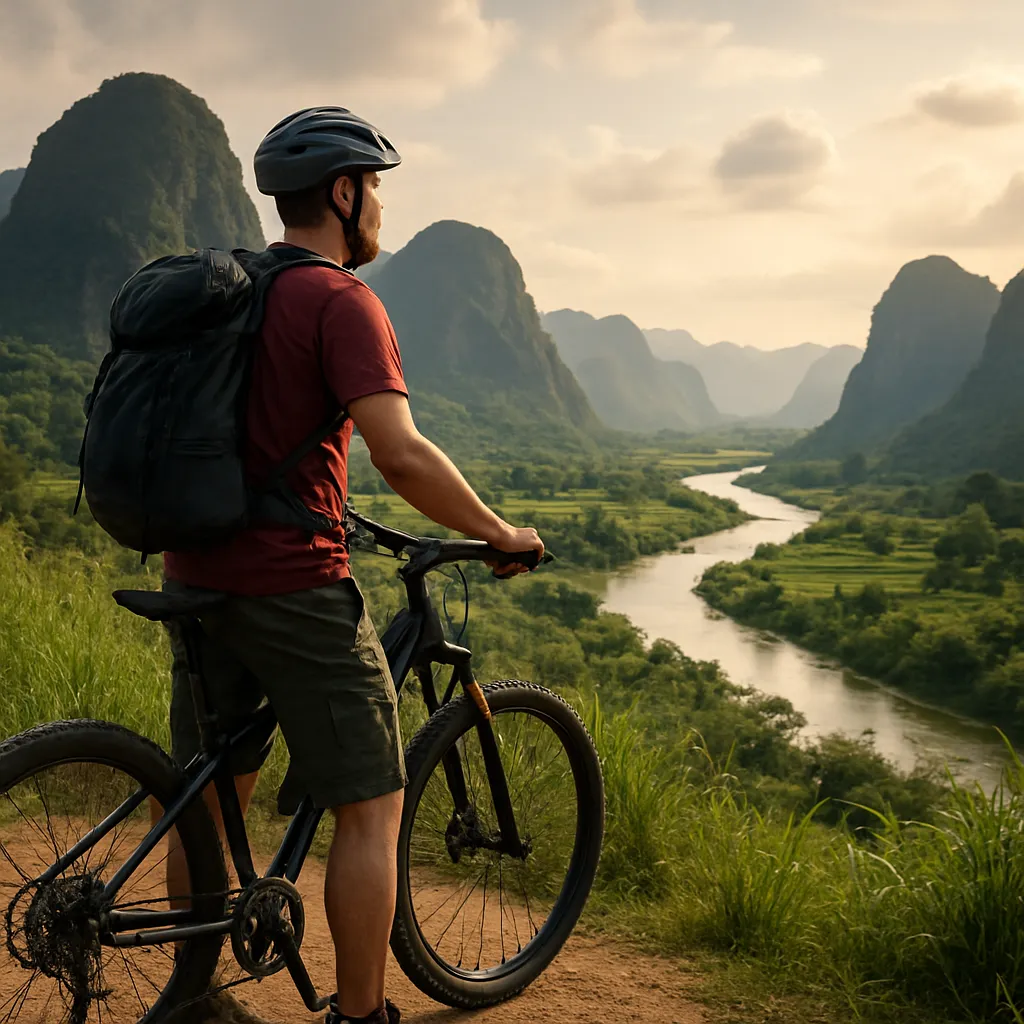
Bicycles have revolutionized access to education and work in many developing regions. Beyond mere transportation, they represent a symbol of mobility, empowerment, and resilience for communities striving to overcome geographic and economic barriers. By reducing travel time, cutting costs, and offering reliable year-round transit, these humble machines unlock opportunities for children and adults to pursue school and employment, often transforming lives and local economies in profound ways.
Education Access Through Cycling
In remote villages and sprawling urban slums alike, students frequently walk miles over rough terrain to reach the nearest school. The introduction of bicycles changes this reality. A student who might once spend three to four hours on foot can now complete the journey in under an hour. This time saving leads to improved attendance, higher academic performance, and greater engagement in after-school activities.
- Reduced absenteeism: With reliable transit, pupils miss fewer days due to fatigue or adverse weather.
- Extended catchment area: Schools can serve more distant communities, increasing overall enrollment.
- Gender equality: Girls, who sometimes face safety risks on long foot journeys, gain accessibility and confidence.
Empirical studies show that bicycle programs correlate with a 30–50% decrease in dropout rates. By linking homes and schools, these initiatives foster a cycle of educational attainment that benefits entire families.
Economic Empowerment and Mobility
Beyond schooling, bicycles empower adults to expand income-generating activities. Small vendors, artisans, and agricultural workers utilize bicycles to transport goods, access markets, and reach job sites that might otherwise be unreachable.
Boosting Micro-Enterprise
- Cargo attachments allow the carriage of produce, water, or tools, increasing daily earnings.
- Bike taxis create entrepreneurial opportunities in regions lacking formal transport networks.
- Reduced transport costs lead to higher profit margins and the ability to reinvest in local businesses.
In many communities, the introduction of bicycle loan programs and infrastructure support has sparked micro-financing schemes. These arrangements provide low-interest credit for purchasing reliable cycles, nurturing a sense of ownership and financial sustainability.
Health, Environment, and Community Benefits
Cycling brings a range of positive side effects extending well beyond individual users. Regular pedaling improves cardiovascular fitness, reduces stress, and curbs lifestyle diseases.
- Physical well-being: Daily exercise reduces obesity, hypertension, and respiratory issues.
- Environmental impact: Zero-emission travel mitigates air pollution and greenhouse gas output.
- Social cohesion: Shared repair workshops and bike clubs foster community bonds and skills development.
The environment remains a crucial concern in rapidly developing areas. By promoting cycling, local governments can address urban congestion, preserve rural ecosystems, and encourage sustainability at a grassroots level.
Challenges and Innovative Solutions
Despite the clear advantages, several obstacles hinder widespread bicycle adoption. Poor road conditions, theft, and lack of maintenance services can deter potential riders. Cultural perceptions may also play a role, with some communities undervaluing cycling as a mode of transport.
Infrastructure and Safety
- Paved lanes and secure parking reduce accident risks and theft rates.
- Community-led repair stations empower locals to maintain fleets and gain mechanical skills.
- Helmet distribution and safety education campaigns foster safer riding practices.
Innovators have introduced solar-powered bike repair sheds in off-grid villages, ensuring lights and power for tools. Mobile workshops travel between settlements, offering free inspections and spare parts, further enhancing cycle longevity.
Expanding Bicycle Initiatives for the Future
Scaling up successful programs demands collaboration among non-profits, governments, and private sponsors. Bulk purchasing and centralized assembly facilities can drive down costs, while data-driven assessments help target the most underserved regions.
- Partnerships: Local schools, microfinance institutions, and NGOs joining forces create robust support networks.
- Technology: GPS tracking and digital payment systems simplify rental schemes and fleet management.
- Education: Training modules on bicycle safety and maintenance integrate with school curricula and vocational courses.
By embracing holistic strategies, stakeholders ensure that bicycles continue to be a catalyst for change, providing reliable, affordable, and eco-friendly transportation solutions. As more communities invest in cycling infrastructure and social programs, the potential to uplift millions through enhanced mobility and opportunity grows exponentially.