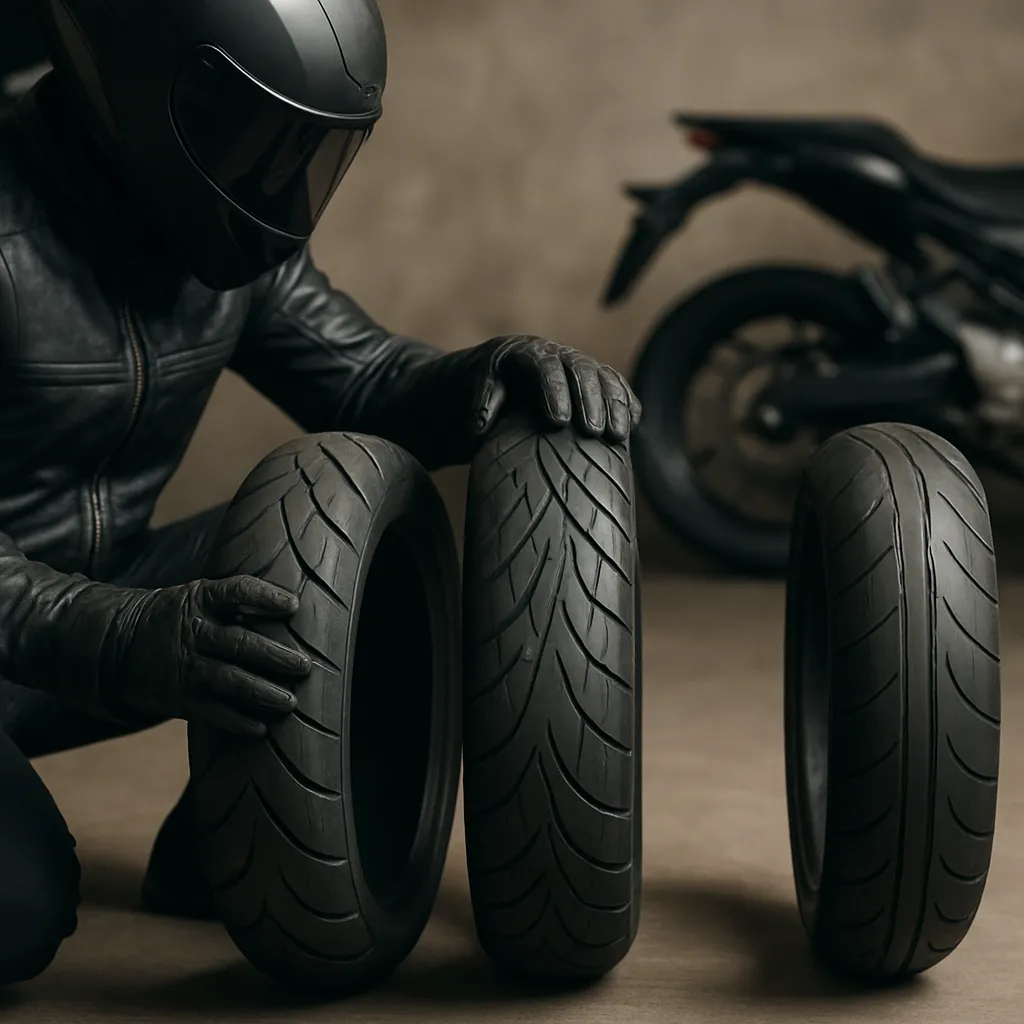
Choosing the perfect set of bicycle tires can transform every ride into an exceptional experience. Whether you’re carving through mountain trails, sprinting on smooth asphalt, or touring on mixed surfaces, the right tires will enhance comfort, safety, and speed. This guide will walk you through essential factors in selecting tires that match your specific riding preferences and conditions.
Understanding Your Riding Style and Terrain
Before diving into tire specifications, take stock of how and where you ride. Matching tire characteristics to your riding style ensures optimal grip and control. Below are common categories:
- Road Cycling: Focuses on high-speed performance on paved roads. Riders benefit from narrow, slick tires designed to reduce rolling resistance and improve aerodynamics.
- Mountain Biking: Tackles off-road trails, root sections, rocky climbs, and loose soil. Wider tires with aggressive knobs provide superior traction and shock absorption.
- Gravel and Cyclocross: Combines paved and unpaved surfaces. Medium-width tires with versatile tread pattern strike a balance between grip and speed.
- Commuting and Touring: Requires durable, puncture-resistant tires that can handle varied road conditions, load weight, and frequent use.
Selecting the Right Tire Type for Optimal Performance
Tire construction varies by design. Each type has unique benefits and trade-offs in weight, ease of repair, and ride quality.
Tubeless vs Clincher vs Tubular
- Clincher Tires: Common and easy to install. They use an inner tube and hook onto the rim. Ideal for most road and mountain riders.
- Tubeless Tires: Eliminate the inner tube, allowing lower inflation pressures without pinch flats. They rely on a tight seal with the rim and liquid sealant to auto-seal small punctures.
- Tubular Tires: Sewn inner tube inside a casing and glued to a special rim. Light and supple, favored by professional racers for ultimate comfort and low rolling resistance.
Choosing the Correct Compound and Tread Pattern
The rubber blend and tread pattern dictate grip, wear rate, and ride feel. Manufacturers often mix multiple rubbers to optimize different zones of the tire.
- Soft Compound: Offers maximum grip in corners and on wet roads but may wear faster.
- Dual or Triple Compound: Harder center for straight-line durability, softer shoulders for cornering traction.
- Directional vs. Semi-Slick vs. Knobby: Directional designs channel water away efficiently; semi-slicks maintain speed with minimal grooves; knobby tires excel on loose dirt and mud.
Construction, Durability, and Materials
Beyond rubber formulas, the casing material, ply count, and puncture protection layers influence long-term performance.
- Bead Type: Folding beads (Kevlar or aramid) weigh less and pack compactly, while wire beads are more robust and cheaper.
- Casing Ply Count: Lower ply (e.g., 60 TPI—threads per inch) results in more durability; higher TPI (120–240) offers suppleness and lighter weight.
- Puncture Protection Belts: Kevlar or nylon layers mitigate accidental cuts from glass, thorns, or embedded debris.
When durability is a priority—such as in bikepacking or urban commuting—look for reinforced sidewalls and additional puncture-resistant belts. If ride comfort and low weight are paramount, choose a high-TPI casing with minimal puncture protection.
Proper Inflation, Pressure, and Ongoing Maintenance
Correct tire inflation is critical for safety and efficiency. Underinflated tires increase rolling resistance and pinch-flat risk; overinflation reduces comfort and grip.
- Refer to the sidewall’s recommended pressure range and adjust based on rider weight, conditions, and tire width.
- Use a reliable pressure gauge for consistent readings.
- Inspect tires regularly for embedded debris, cuts, or abnormal wear patterns.
- Rotate tires front to rear periodically to even out wear, especially on road bikes where the rear tire degrades faster.
When to Replace Your Tires
Tire lifespan varies widely with usage and terrain. Look for these signs as indicators for replacement:
- Worn tread or reduced knobs, leading to diminished traction.
- Visible threads or casing layers through the rubber surface.
- Frequent punctures despite proper inflation and maintenance.
- Sidewall cracks or cuts that compromise structural integrity.
A fresh set of tires not only elevates ride quality but also enhances safety. Keep notes on mileage and conditions to predict when your next replacement is due.