Proper upkeep of a bicycle drivetrain is essential for peak performance and extended component life. By dedicating time to regular inspection, cleaning, and adjustment, riders can enjoy smoother shifting, reduced mechanical issues, and a more efficient ride overall. This guide dives into proven strategies to keep your chain, cassette, and chainrings in top shape, ensuring every pedal stroke counts.
Understanding the Key Components
The bicycle drivetrain consists of interconnected parts that transfer power from your legs to the rear wheel. Major elements include the chain, chainrings, cassette, derailleur pulleys, and bottom bracket. Each component must function in harmony. A worn chain will accelerate **wear** on the cassette teeth, while a misaligned derailleur can lead to poor shifting and chain drops. Recognizing the role of every piece is the first step toward effective maintenance.
An important aspect is the compatibility between components. For instance, modern drivetrains often use narrow chains on closely spaced cassettes. Mixing older, wider chains with a new 11- or 12-speed cassette can result in skipping and accelerated wear. Always confirm the manufacturer’s specifications before swapping parts, and use a high-quality chain wear indicator tool to gauge when replacement is necessary.
Drivetrain efficiency depends on the smooth engagement of chain and cogs. Rough surfaces, rust, and heavy debris can create friction, robbing riders of precious watts. A clean and well-lubricated drivetrain reduces losses and improves overall bike performance. Understanding how these elements interact allows cyclists to prioritize the most critical areas during routine service.
Effective Cleaning Techniques
Removing built-up grime and dirt is crucial to prevent premature part failure. Follow these steps for a thorough cleaning:
- Secure your bike in a stable work stand to ensure easy access to the drivetrain.
- Use a brush and degreaser specifically designed for bike chains and cassettes. Avoid harsh solvents that can damage seals and remove factory lubricants.
- Rotate the cranks backward while spraying degreaser onto the chain and cog surfaces. Allow the solvent to penetrate for several minutes.
- Use a nylon or brass brush to scrub the chain, chainrings, and cassette. Pay special attention to the cassette spaces where debris tends to lodge.
- Rinse thoroughly with low-pressure water. High-pressure jets can force water into bearings and pivots, leading to corrosion.
- Dry components with a clean towel or compressed air, eliminating moisture from hard-to-reach areas.
Proper cleaning not only restores the drivetrain’s appearance but also primes surfaces for optimal lubrication. Consistent removal of oil and grit prevents abrasive particles from grinding away metal over time.
Lubrication and Protection
Once the drivetrain is dry, applying the correct lubricant is the next vital step. There are several types available, each suited to different riding conditions:
- Wet lubes offer superior durability in rainy or muddy environments but can attract more dirt.
- Dry lubes excel on dusty trails and roads, leaving less residue but requiring more frequent application.
- Ceramic-infused lubes provide a slicker film and enhanced protection, often extending service intervals.
To apply lube correctly:
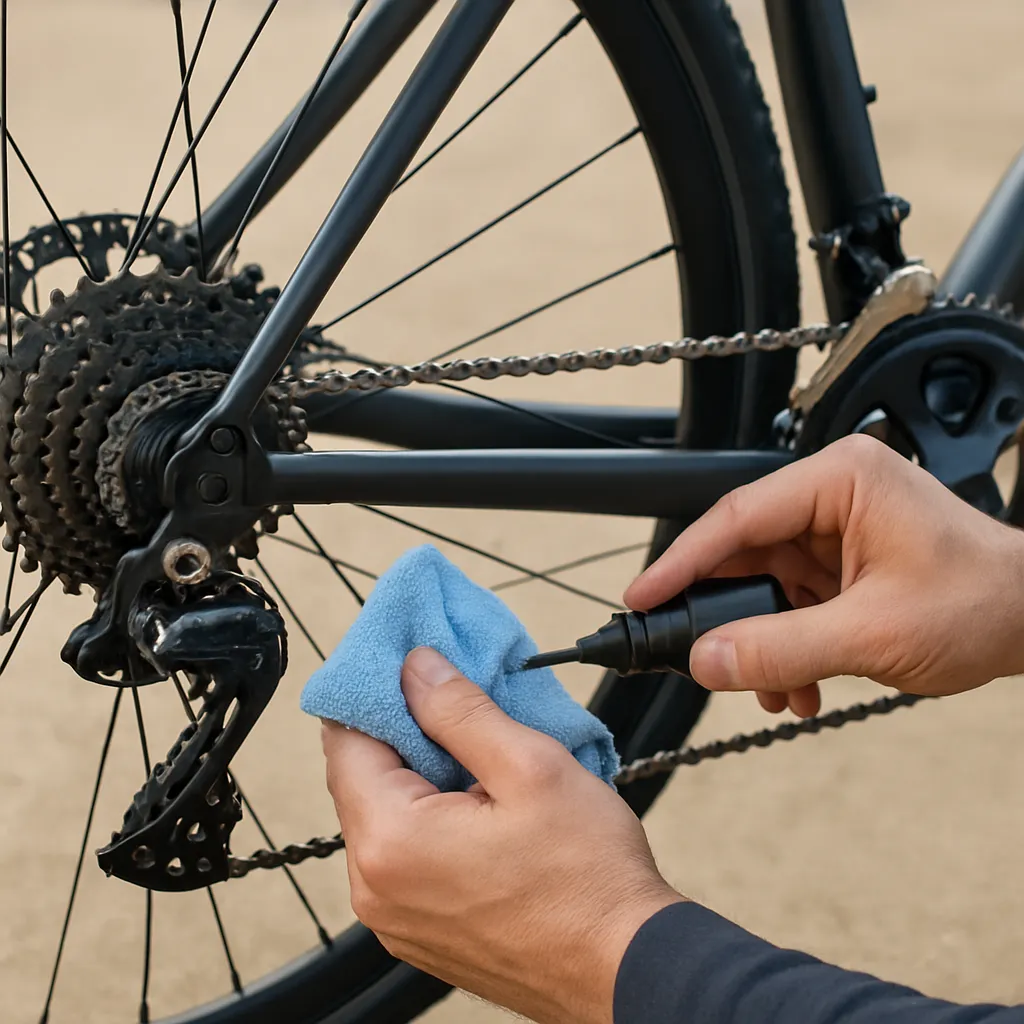
- Drizzle a drop on each chain link while slowly pedaling backward.
- Allow the lubricant to penetrate for a few minutes, ensuring it seeps into the link pins and rollers.
- Wipe off any excess with a clean rag. Over-lubrication can attract debris and cause a build-up of grime.
Regular lubrication improves chain flexibility, reduces friction, and minimizes noise during shifting. Aim for a light application after every long ride or at least once a week if you log high mileage.
Adjustment and Alignment
Precise alignment of derailleurs and proper chain tension are crucial for flawless gear changes. Even a slight misalignment can result in chain skipping or difficulty selecting the correct gear. Here’s how to keep everything in tune:
- Inspect the derailleur hanger and ensure it’s straight. A bent hanger is a common cause of poor shifting; specialized alignment tools can detect and correct these bends.
- Check cable tension. Over time, cables stretch and housing wears out, leading to sloppy shifting. If shifting feels mushy or delayed, tighten the barrel adjuster in small increments until crisp shifts return.
- Adjust the high and low limit screws to set the derailleur’s maximum travel. This prevents the chain from overshooting onto spokes or dropping off the chainrings.
- For single-speed or internally geared hubs, maintain proper chain tension to avoid slippage and undue stress on bearings.
Most adjustments can be done trackside with minimal tools. Carrying a compact multi-tool with Allen keys and a screwdriver ensures you can handle minor tweaks during long rides.
Monitoring Wear and Timely Replacement
Regular inspection helps you spot parts approaching the end of their service life. Key indicators include:
- Chain stretch: A worn chain will gradually extend, negatively impacting gear engagement. Use a chain wear checker to measure elongation beyond 0.5% for 10-speed and narrower chains.
- Tooth wear: Look for shark-fin shapes on cassette and chainring teeth, which indicate irreversible material loss.
- Excessive noise or rough shifting: These symptoms often precede component failure.
Replacing a chain before it becomes too elongated can save hundreds of dollars in cassette and chainring replacements. Plan to swap chains every 2,000–3,000 kilometers, or sooner under harsh conditions. When installing a new chain, inspect the cassette and chainrings; minor wear might be acceptable if the chain meshes smoothly without skipping.
Advanced Maintenance Tips
For riders seeking extra performance, consider the following refinements:
- Apply specialized polish or surface treatments on chainrings and cogs to reduce friction and extend part life.
- Upgrade to ceramic bearings in jockey wheels for smoother rotation and lower rolling resistance.
- Use protective tapes on chainstay areas to prevent frame chips and corrosion caused by chain slap.
- Periodically remove the bottom bracket and regrease bearings or replace them if serviceable.
These enhancements require more skill and tools but can yield measurable gains in efficiency and longevity for dedicated cyclists and racers.
Maintaining a Consistent Routine
Creating a simple maintenance schedule ensures your drivetrain remains in peak condition. Consider these intervals:
- Weekly: Light cleaning and lubrication after rides.
- Monthly: Full degrease and inspection of wear patterns.
- Quarterly: Detailed adjustment of derailleurs and bottom bracket service if needed.
- Anually: Complete drivetrain overhaul, replacing major wear items.
A disciplined approach not only preserves component integrity but also enhances safety and enjoyment. Regular checks catch small issues before they become costly repairs, keeping your bike ready for any adventure.