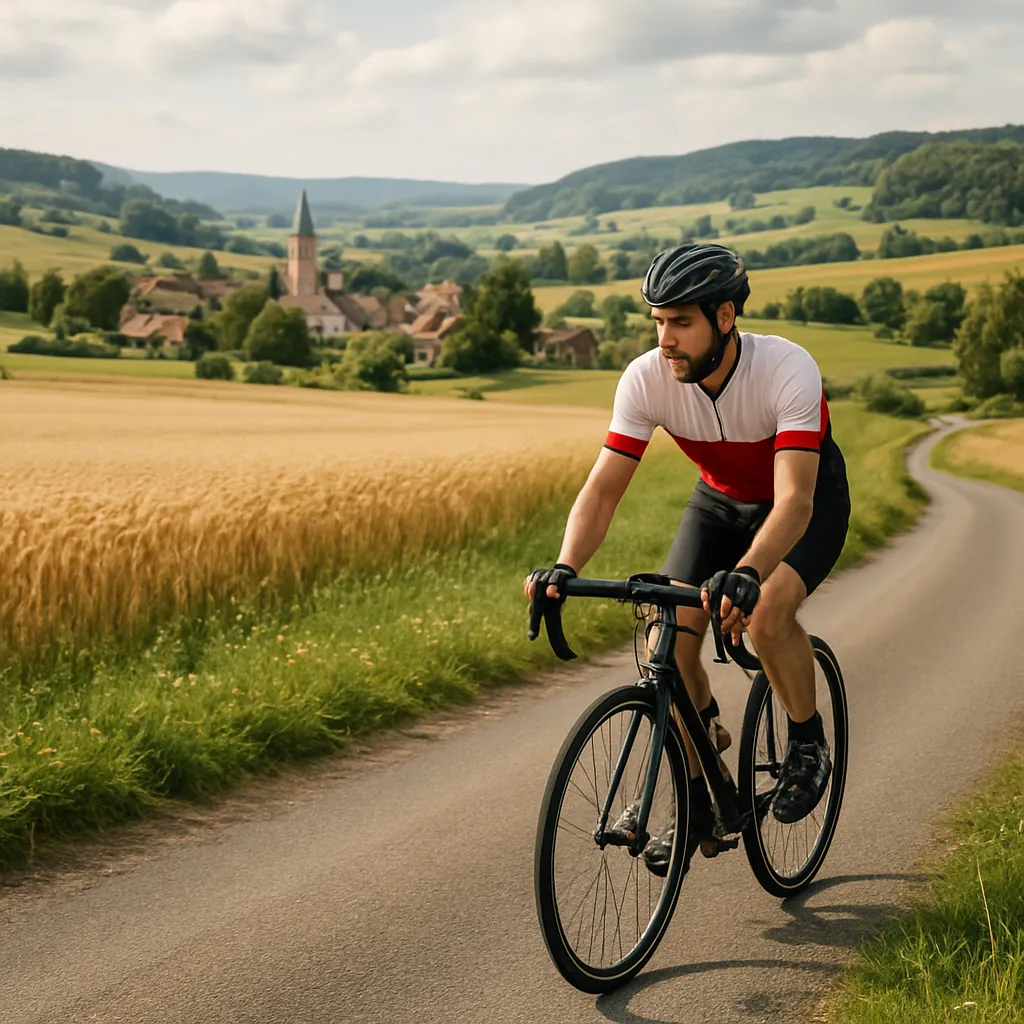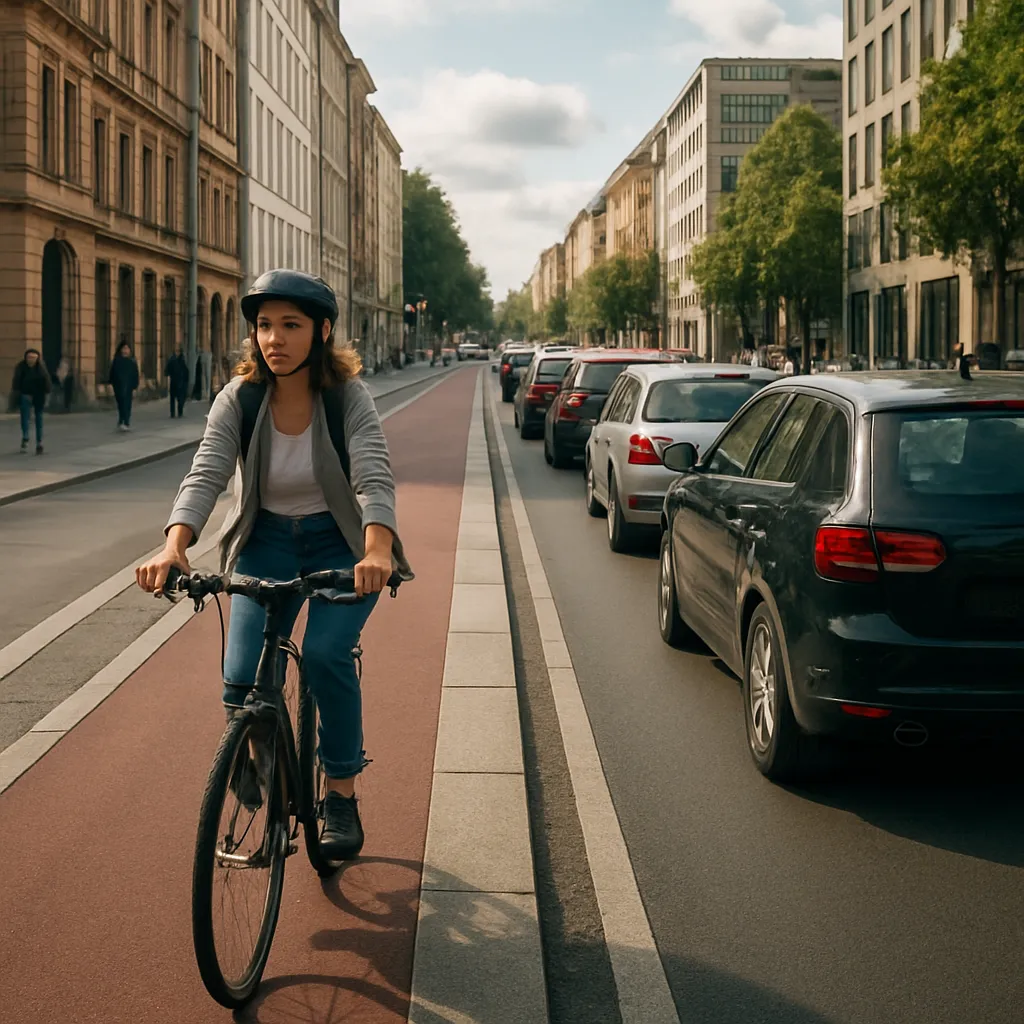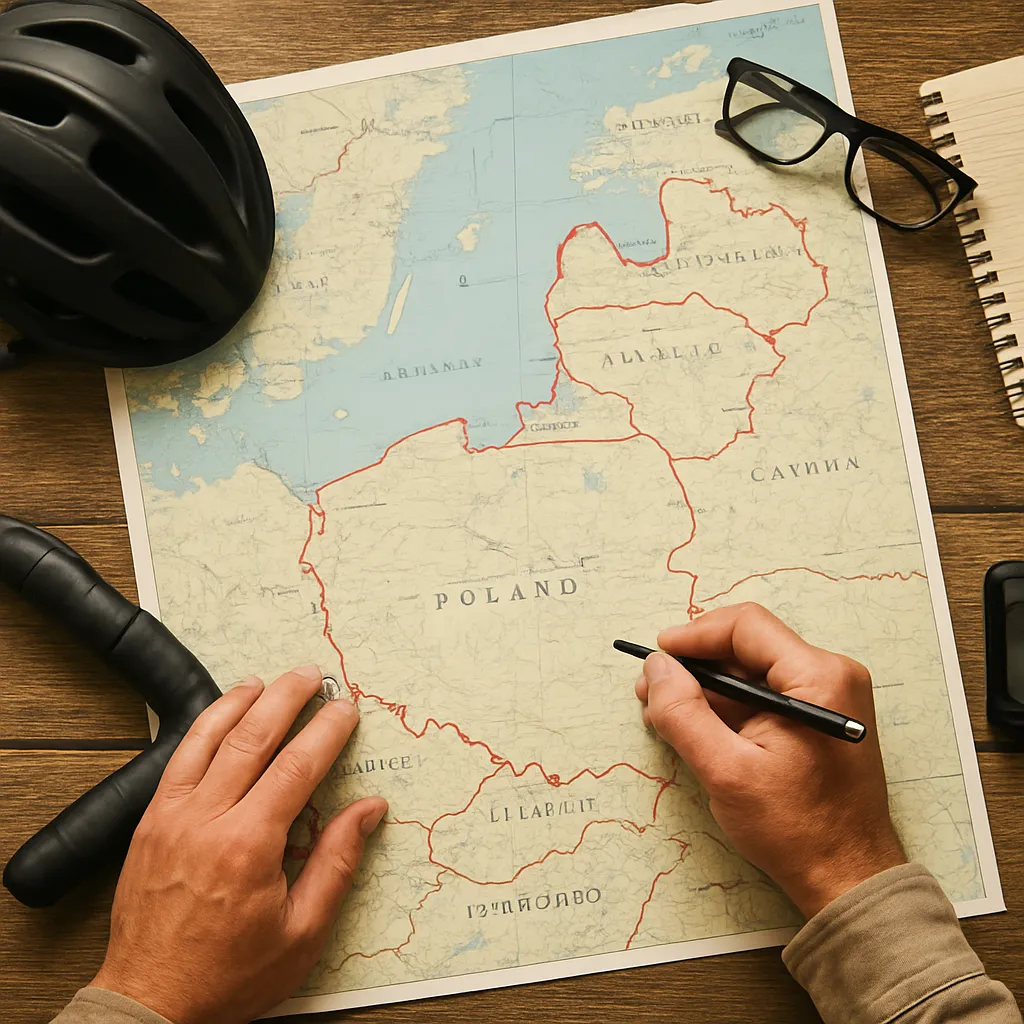
Embarking on a two-wheeled journey demands careful preparation, a spirit of adventure, and an appreciation for the freedom that cycling offers. Whether you’re dreaming of coastal vistas around the Baltic Sea or urban streets in bustling cities, understanding the essentials of bicycles, gear, and planning will elevate your ride from a simple excursion to an unforgettable voyage of discovery.
Choosing the Right Bicycle for Your Adventure
Selecting the ideal bike is the foundation of any successful trip. A well-matched bicycle maximizes comfort, performance, and efficiency, ensuring you cover greater distances with less fatigue. Key considerations include frame material, tire type, and riding style.
Frame and Geometry
- Aluminum frames are lightweight and affordable but may transmit more road vibration.
- Steel frames offer superior durability and a smoother ride, though they weigh more.
- Carbon fiber frames provide an exceptional stiffness-to-weight ratio, ideal for long-distance or competitive rides.
Tire Selection
- Road tires (23–28 mm) minimize rolling resistance on paved surfaces.
- Gravel tires (35–45 mm) balance speed with traction on mixed terrains.
- Touring tires (32–40 mm) are robust, puncture-resistant, and capable of carrying extra load.
Riding Style and Load Capacity
Touring bikes or adventure gravel bikes often include mounting points for racks, fenders, and bottles. If your journey involves camping or self-supported travel, look for a frame rated to carry up to 30 kg of luggage. For light outings or city exploration, a sleek road or hybrid bike will suffice.
Essential Gear and Accessories
Beyond the bike itself, equipping yourself with the right accessories enhances safety and convenience. Allocate your budget wisely between mandatory safety items and comfort-boosting extras.
Safety Equipment
- Safety starts with a certified helmet that fits snugly without wobbling.
- High-visibility clothing and reflective strips increase your presence in low-light conditions.
- Front and rear lights (at least 200 lumens front, 50 lumens rear) are essential for dawn-to-dusk or night rides.
Navigation and Communication
- A GPS bike computer or smartphone mount with offline maps ensures reliable navigation.
- Carry a backup power bank to recharge devices on the go.
- Consider an emergency beacon or satellite messenger if venturing into remote areas.
Comfort and Convenience
- Padded cycling shorts and gloves reduce pressure points on long rides.
- A multi-tool, tire levers, and a portable pump allow for quick maintenance roadside.
- Hydration packs or multiple bottle cages keep fluids accessible during strenuous segments.
Mapping Your Route Around the Baltic Sea
The Baltic Sea region spans diverse cultures, landscapes, and climates. Proper route planning balances daily distances, rest days, and points of interest.
Daily Distance and Terrain
For most riders, averaging 60–80 km per day accommodates sightseeing and breaks. Coastal paths, forest trails, and urban bike lanes will present varying surfaces; adjust tire pressure accordingly to optimize versatility and grip.
Accommodation and Rest Stops
- Book a mix of hostels, guesthouses, and campsites in advance to ensure availability during peak season.
- Identify towns with bike shops for mid-trip repairs or spare part purchases.
- Plan rest days in major cities like Gdańsk, Stockholm, or Tallinn for cultural immersion and heavy-duty maintenance.
Cultural Highlights and Local Cuisine
Sampling regional foods not only refuels the body but enriches the journey. From fresh herring platters in Sweden to hearty rye breads in Lithuania, each stop offers unique flavors. Allocate time for museums, historic sites, and local markets to connect with the community along your path.
Maintenance and Repair on the Go
Even the most reliable bicycle can encounter issues on extended trips. Being prepared with knowledge and tools prevents minor glitches from derailing your adventure.
Basic Troubleshooting
- Punctures: Practice patching tubes and using tire boots for sidewall cuts.
- Chain Issues: Keep a compact chain tool and quick links to address breaks or stiff links.
- Brake Adjustments: Carry spare pads and a small screwdriver or allen keys for cable tension tweaks.
Regular Inspection
Every 50–100 km, perform a quick check: wheel trueness, tire wear, bolt torque, and drivetrain lubrication. A clean, well-lubricated chain reduces friction, improves gear shifts, and extends component life—ultimately boosting your overall efficiency.
Learning Essential Skills
Before departure, practice roadside repairs: changing a tire, adjusting brakes, and replacing cables. Familiarity with these tasks saves time and stress if you encounter mechanical problems in remote areas.
Environmental Responsibility and Community Engagement
Cycling inherently promotes sustainability by reducing carbon emissions and encouraging outdoor recreation. Amplify your positive impact through mindful practices and local interactions.
Leave No Trace Principles
- Respect marked trails and avoid riding in prohibited areas to protect fragile ecosystems.
- Pack out all waste, including food scraps, to maintain the natural beauty of your surroundings.
- Use refill stations and minimize single-use plastics whenever possible.
Supporting Local Economies
Opt for locally owned accommodations, eateries, and bike services. Your patronage helps sustain small businesses and fosters genuine cultural exchange. Volunteering for a beach cleanup or contributing to a cycling advocacy group further strengthens community bonds.
Preparing for Changing Weather and Seasons
The Baltic climate can shift rapidly, with coastal winds and unexpected showers. Dressing in layers and understanding regional forecasts ensures you remain dry and comfortable throughout the ride.
Layering Strategy
- Base Layer: Moisture-wicking fabric to keep skin dry.
- Insulating Layer: Lightweight fleece or merino wool for temperature regulation.
- Outer Shell: Waterproof and breathable jacket to shield from wind and rain.
Seasonal Considerations
Late spring and summer offer long daylight hours and milder temperatures, while autumn brings crisp air and fewer tourists. Avoid winter trips unless you’re fully equipped for sub-zero conditions and icy roads.