Cycling long distances can be a thrilling adventure and a great way to stay fit, but without proper preparation, the risk of injury can rise sharply. By focusing on the details of bike setup, protective equipment, structured training, and recovery routines, riders can enjoy extended journeys with minimal discomfort and fewer setbacks. This guide covers key strategies to keep your body safe and performing at its best as you conquer mile after mile.
Proper Bike Fit and Adjustment
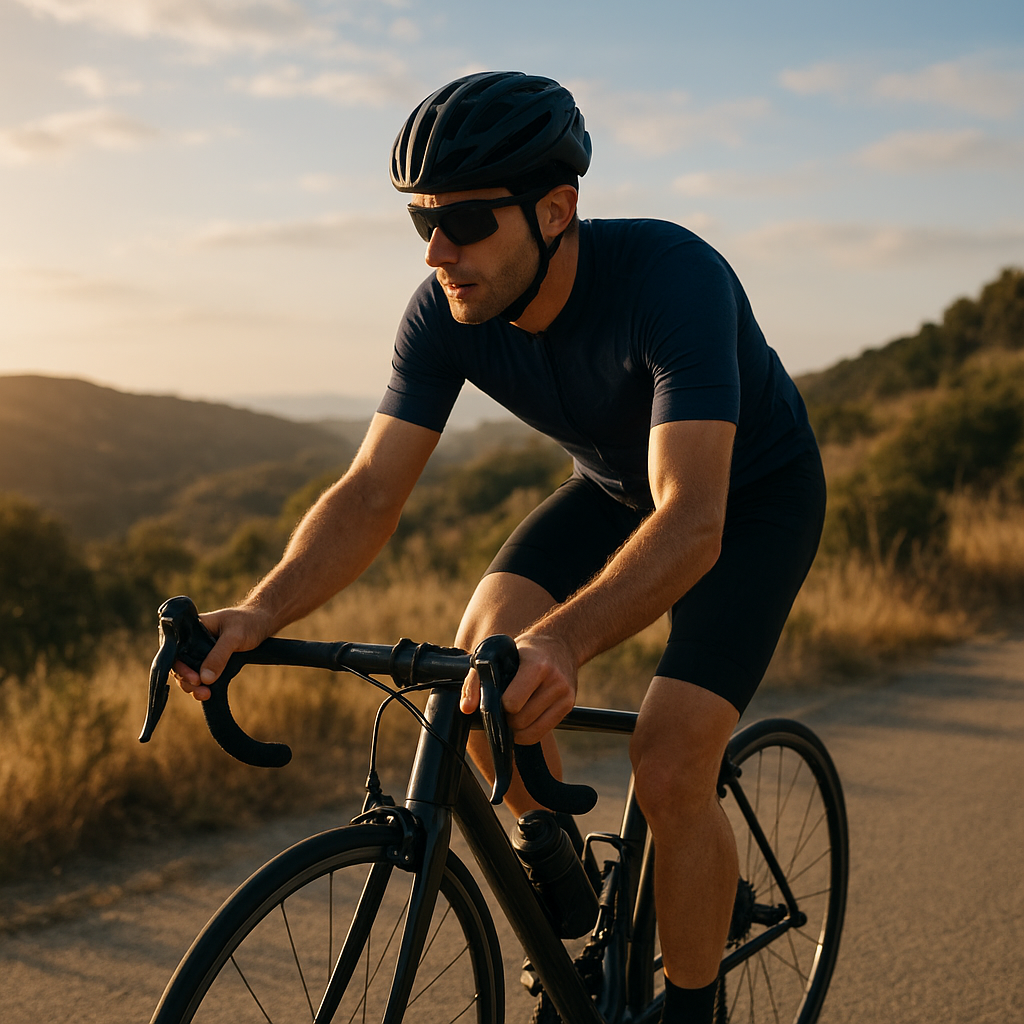
Getting your bicycle aligned to your unique body dimensions is one of the most powerful steps you can take to avoid strains and overuse injuries. A well-fitted bike ensures efficient power transfer and encourages a natural, comfortable riding posture.
Saddle Position and Height
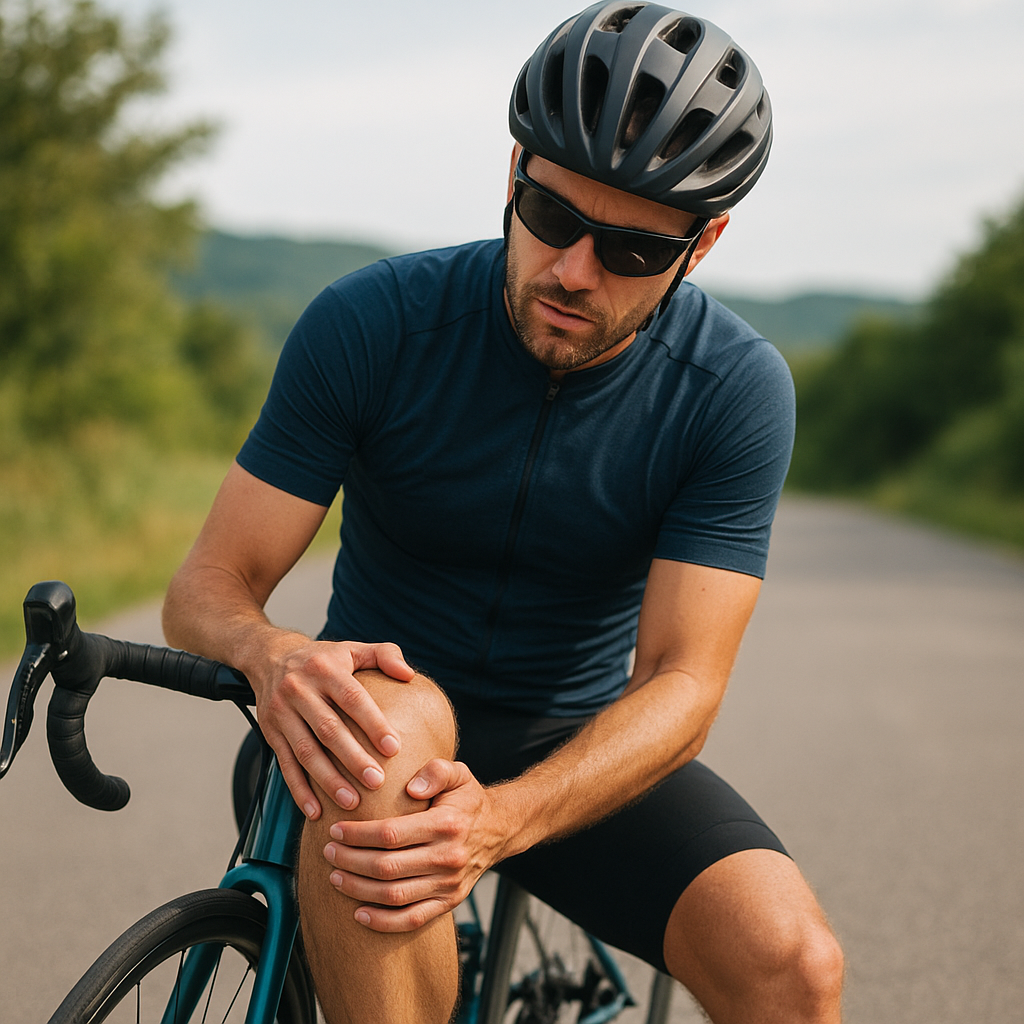
- Saddle height: Your leg should have a slight bend (about 25–35 degrees) at the bottom of the pedal stroke. Too low and you risk knee pain; too high and you may overstretch hip flexors.
- Saddle tilt: Level or with a very slight nose-down tilt to prevent forward sliding and pressure on soft tissue.
- Saddle fore-aft: Align the saddle so that when your crankarm is horizontal, your forward knee cap is vertically over the pedal axle. This helps maintain proper alignment and avoids knee or hip discomfort.
Handlebar Reach and Height
A handlebar position that’s too far forward can cause neck, shoulder, and lower back strain, while a position that’s too high may compromise aerodynamics and control.
- Adjust reach so your elbows have a slight bend when you hold the drops or hoods.
- Height should balance comfort and performance; beginners might start at saddle level, then lower handlebars as flexibility improves.
- Monitor wrist angle to prevent numbness; consider flipping or swapping stem spacers to fine-tune cockpit position.
Essential Protective Gear
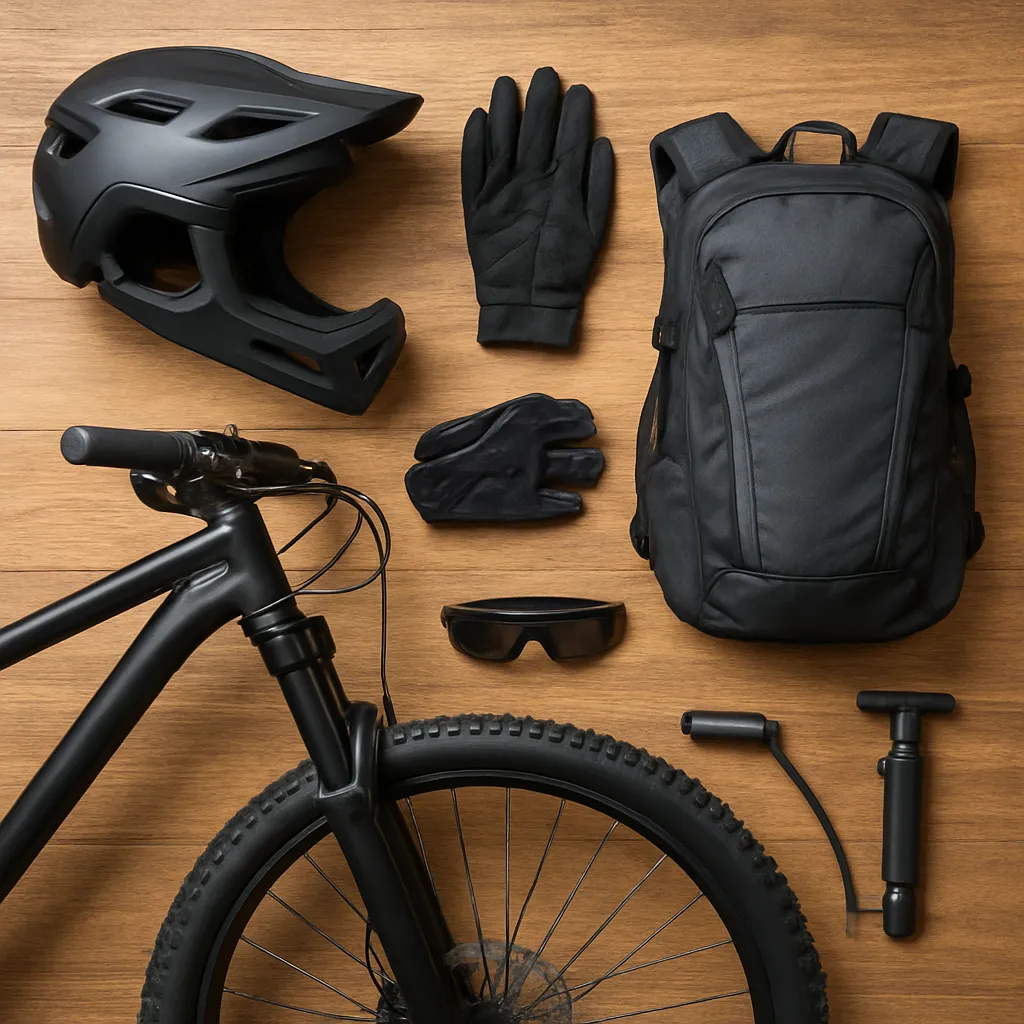
Protective equipment not only shields you during falls but also supports your musculoskeletal system during long rides. Investing in quality gear reduces the chance of acute injuries and chronic discomfort.
Helmet and Vision Protection
- Helmet: Choose a model with proper ventilation, adjustable fit systems, and MIPS or similar rotational impact protection.
- Sunglasses or clear lenses protect against debris, wind, and UV exposure, preserving your reaction time and eye health.
Padded Gloves and Shorts
Painful pressure points are common on long rides, but you can mitigate them with well-padded accessories.
- Gloves: Full-finger or half-finger gloves reduce vibration to hands and protect knuckles in the event of a fall.
- Padded shorts: Chamois quality varies; look for multi-density foam and moisture-wicking fabrics to avoid chafing.
Supportive Braces and Tape
- Knee and wrist braces can aid riders with prior injuries, providing additional stability and confidence.
- Kinesiology tape applied to key areas—calves, lower back, or shoulders—helps maintain muscle alignment and reduces swelling.
Training and Conditioning Strategies
Preparing your body through structured workouts and gradual progression is essential to prevent overuse syndromes, saddle sores, and unexpected strains.
Gradual Mileage Increase
- Adopt the 10% rule: avoid increasing total weekly distance by more than 10% to allow soft tissues to adapt.
- Incorporate one long ride, one interval session, and one recovery spin per week to balance load and rest.
Strength and Flexibility Work
Off-bike exercises are crucial for reinforcing the muscles that support your cycling position.
- Core strength: Planks, dead bugs, and bird-dogs stabilize your spine, enhancing muscular endurance in the saddle.
- Flexibility: Regular hamstring, hip flexor, and chest stretches prevent tightness that can lead to lower back pain.
- Include bodyweight squats or single-leg Romanian deadlifts to build balanced leg power.
Nutrition and Hydration
- Hydration: Start with at least 500 ml of water or electrolyte drink before your ride, and aim for 500–750 ml per hour depending on temperature and effort.
- Nutrition: Consume 30–60 g of carbohydrates per hour via energy bars, gels, or bananas to preserve muscle glycogen and prevent bonking.
- Electrolytes are vital: sodium, potassium, and magnesium help avert cramping during extended efforts.
Recovery and Maintenance
Smart recovery practices ensure that each ride builds your resilience rather than accumulating fatigue or micro-injuries.
Active Recovery and Rest Days
- Incorporate easy spins or gentle yoga sessions on rest days to promote blood flow and tissue repair.
- Complete rest days are equally important; allow 1–2 days off the bike per week for optimum adaptation.
Self-Myofascial Release
Foam rolling and massage guns break up adhesions in soft tissues, speeding up recovery and maintaining mobility.
- Target quads, iliotibial bands, calves, and lower back for 1–2 minutes each post-ride.
- Avoid rolling directly over joints or bony protrusions; focus on muscles and fascia.
Monitoring and Adjustments
- Keep a training log noting pain levels, sleep quality, and overall fatigue; patterns can highlight risk factors before they become injuries.
- Seek professional bike-fitting or physiotherapy assessments if persistent aches develop.