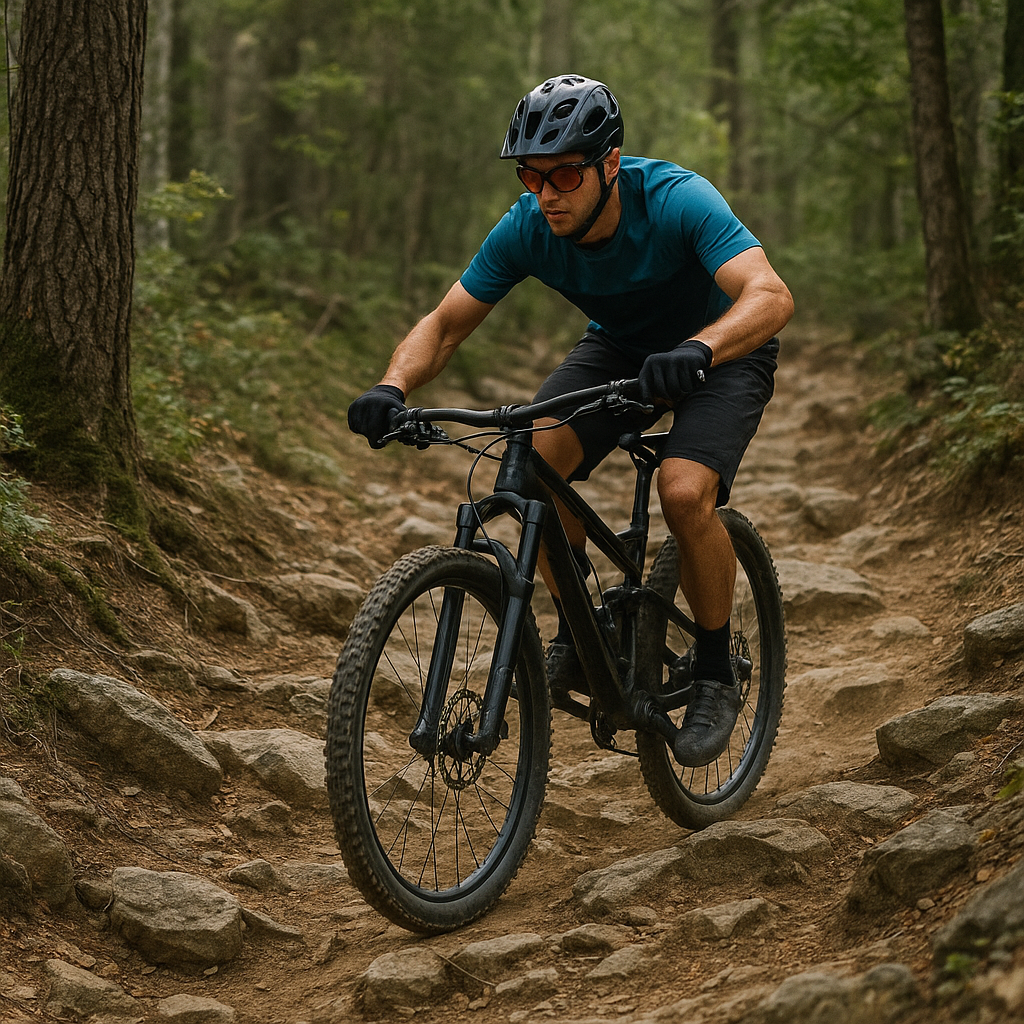
Riding on technical trails presents both a thrilling challenge and an opportunity to develop unmatched mountain biking prowess. Whether you’re navigating rocky outcrops, tree roots, or steep descents, maintaining control and composure is key. This guide will delve into essential strategies, equipment choices, and mindset adjustments that elevate your trail performance while prioritizing safety.
Equipment Preparation and Bike Setup
Before carving your way through craggy singletracks, it’s crucial to ensure your bicycle is tuned for peak performance. Proper setup not only boosts confidence but also reduces the risk of mechanical issues mid-ride.
Frame and Geometry
- Choose a frame size that aligns with your body dimensions—too large or too small can compromise balance and maneuverability.
- Modern trail bikes often feature slacker head tube angles for greater stability on steep drops and faster descents.
Suspension Tuning
- Adjust fork and shock suspension sag to about 20–30% of total travel. This setting strikes a balance between comfort and responsiveness.
- Experiment with rebound and compression to tailor your bike’s reaction to rooty sections or rock gardens.
Tire Pressure and Choice
- Select tires with robust tread patterns that deliver consistent traction on varied surfaces.
- Lower pressures (20–25 psi in the rear, 22–28 psi in the front) help contour around obstacles and absorb vibrations.
Brakes and Drivetrain
- Bleed hydraulic brakes at the start of each season or after heavy usage bursts to maintain consistent braking power.
- Keep the drivetrain clean, lubricated, and free of grit to ensure smooth shifting when negotiating technical sections.
Fundamental Riding Techniques
Mastering core skills is the foundation for tackling demanding trails with confidence. These techniques allow you to react fluidly to unexpected obstacles.
Body Positioning
- Maintain a low, centered stance by bending your knees and elbows. This posture enhances balance and keeps your weight evenly distributed.
- Shift your weight backward when descending steep pitches, and forward when climbing to sustain front-wheel traction.
Brake Modulation
- Use both front and rear brakes in tandem. Excessive reliance on the front can cause over-the-bar incidents; too much rear can induce skids.
- Feather your brakes before sharp turns or off-cambers to regulate speed without losing momentum.
Line Selection
- Scan upcoming terrain several meters ahead. Identify smooth corridors and avoid rocks or roots that could upset your bike’s stability.
- Embrace natural features: riding through the lowest point of a rut usually offers firmer ground and predictable grip.
Pumping and Manualing
- Pump roller sections by applying alternating pressure through your body rather than pedaling. This preserves momentum and effort.
- Manualing over obstacles—with the rear wheel lifting first—helps clear roots and logs without landing harshly on your fork.
Advanced Trail Strategies
Once you’ve solidified basic skills, these advanced tactics will help you tackle gnarlier trails and improve overall efficiency.
Weight Transfer Techniques
- Practice the “stomp” on drops: simultaneously push down with hands and compress suspension, then spring upward as you approach the edge.
- Use a subtle rear-wheel hop to clear bedrock steps or awkward ledges that cannot be rolled directly.
Cornering on Loose Terrain
- Initiate turns by looking through the apex and leaning both bike and body into the berm or slope.
- Increase traction by applying steady pressure on the outside pedal and keeping the inside pedal raised.
Technical Climbing
- Maintain a high cadence in low gear to prevent wheel spin on slippery roots or wet rock.
- Stay seated when the climb is steepest—this shifts your weight rearward, improving rear-wheel grip.
Trail Etiquette and Communication
- Give audible warnings (bell or call out “On your left”) when overtaking hikers or fellow riders to foster a safe environment.
- Yield to uphill traffic if the trail is too narrow for simultaneous passage; this courtesy ensures mutual respect.
Essential Gear and Protective Equipment
Proper protective gear is non-negotiable on technical trails. The right equipment mitigates injury risks and enhances your riding experience.
Helmet and Head Protection
- Invest in a full-face helmet for high-consequence trails featuring steep drops and tight chutes.
- Consider adding a visibility light mount or reflective stickers for twilight or low-light adventures.
Body Armor
- Wear elbow and knee pads with CE-rated padding. Lightweight guards can be worn all day without overheating.
- A chest protector or reinforced jersey can reduce road rash and protect vital areas during high-speed crashes.
Hydration and Nutrition
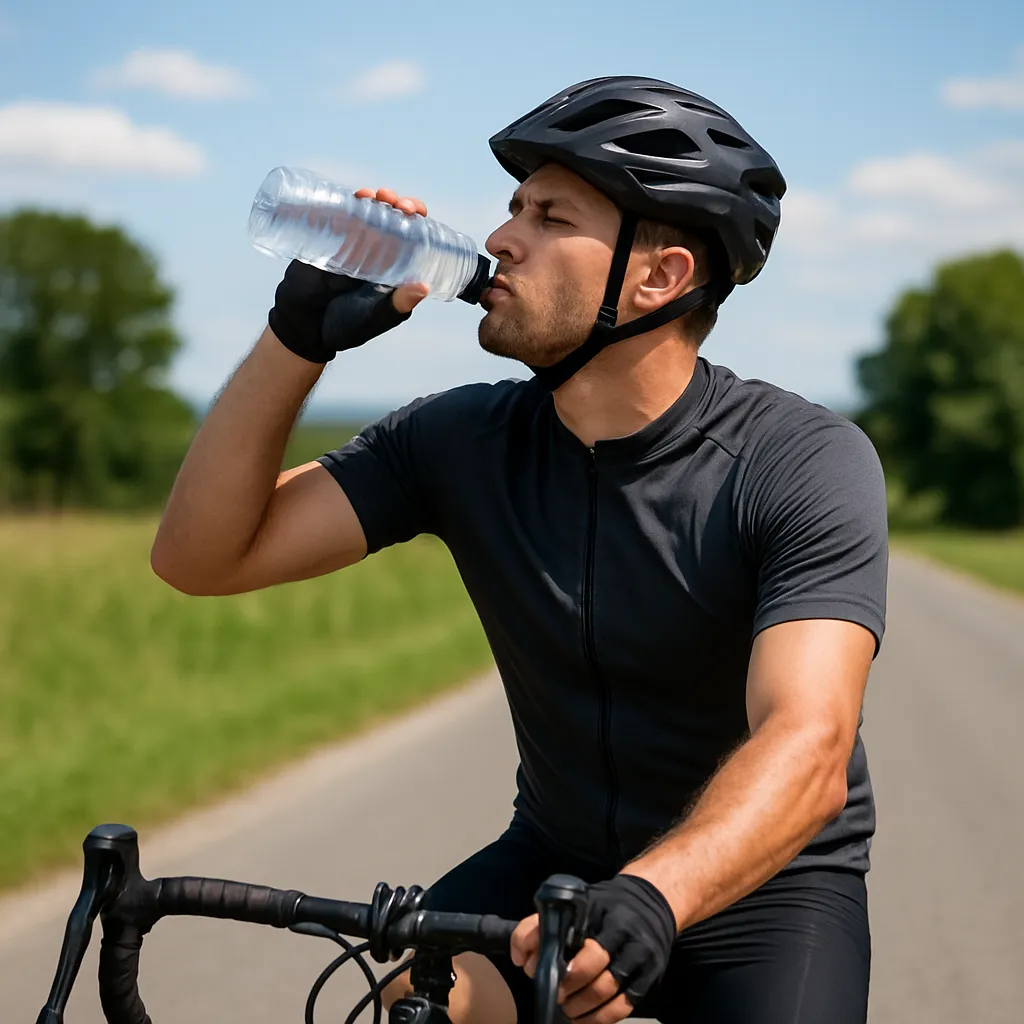
- A hydration pack with a 2–3 liter bladder or multiple water bottles keeps you fueled on lengthy rides.
- Pack energy bars, gels, or electrolyte chews to maintain stamina when the trail demands prolonged focus.
Tool Kit and Spares
- Carry a multi-tool, tire levers, a spare tube, and a mini-pump or CO₂ inflator for on-the-go repairs.
- A chain breaker link and zip-ties can salvage a ride after unexpected mechanical failures.
Route Planning and Risk Management
Thorough preparation and situational awareness are key to minimizing hazards on remote or highly technical trails.
Trail Research
- Consult local trail maps, guidebooks, or online forums for insights on trail difficulty levels and current conditions.
- Pay attention to seasonal factors: mud in spring, loose gravel in summer, and wet leaves in autumn can transform a familiar route.
Weather and Timing
- Monitor the forecast and avoid trails prone to flash flooding or ice buildup when conditions turn adverse.
- Start early to complete technical segments in daylight. Fatigue at dusk can compromise skills and decision-making.
Communication and Emergency Plans
- Share your planned route and estimated return time with a trusted contact who can initiate a rescue if you don’t check in.
- Carry a whistle, space blanket, and basic first-aid kit to address common trail injuries until help arrives.
Assessing Personal Limits
- Be honest about your comfort zone. If a section feels beyond your current ability, dismount and walk it to avoid a serious crash.
- Gradually increase trail difficulty over multiple sessions—this progressive approach builds both confidence and competence.