Embarking on a cycling journey can be both exciting and overwhelming, especially when budget constraints come into play. Finding the right ride without breaking the bank involves understanding key features, comparing models, and learning maintenance basics. This guide will walk you through essential considerations for selecting the optimal **beginner-friendly** bicycle that combines **affordability**, durability, and functionality, ensuring a smooth transition from novice to confident rider.
Understanding Key Features of Budget Bikes
Before diving into specific models, it’s crucial to grasp the fundamental attributes that define a quality budget bicycle. Budget doesn’t have to mean basic or unreliable. With the right focus, you can secure a ride that delivers outstanding performance in everyday situations like commuting, fitness riding, and weekend adventures.
- Frame Material: Most budget bikes use aluminum or steel frames. Aluminum offers a lightweight feel and resistance to rust, while steel provides natural shock absorption at a slightly higher weight.
- Geometry: A well-designed geometry ensures proper posture, control, and long-term comfort. Look for slightly upright positions that reduce back strain without sacrificing pedaling efficiency.
- Drivetrain Components: Entry-level drivetrains often feature fewer gears, but modern options have improved significantly. Reliable brands like Shimano’s Tourney and Altus or SRAM’s X4 provide smooth shifting under most conditions.
- Wheel and Tire Size: Standard 700c or 27.5-inch wheels fit most urban and light gravel scenarios. Thicker tires (30–40mm) improve comfort and traction compared to slick, narrow road tires.
- Reliability: Even at a lower price point, parts should withstand daily wear. Check warranty coverage, customer reviews, and availability of replacement parts in local shops.
Selecting the Right Type for Your Riding Style
Cycling offers diverse disciplines, and understanding your intended use helps narrow down choices. Three main categories suit budget-minded riders:
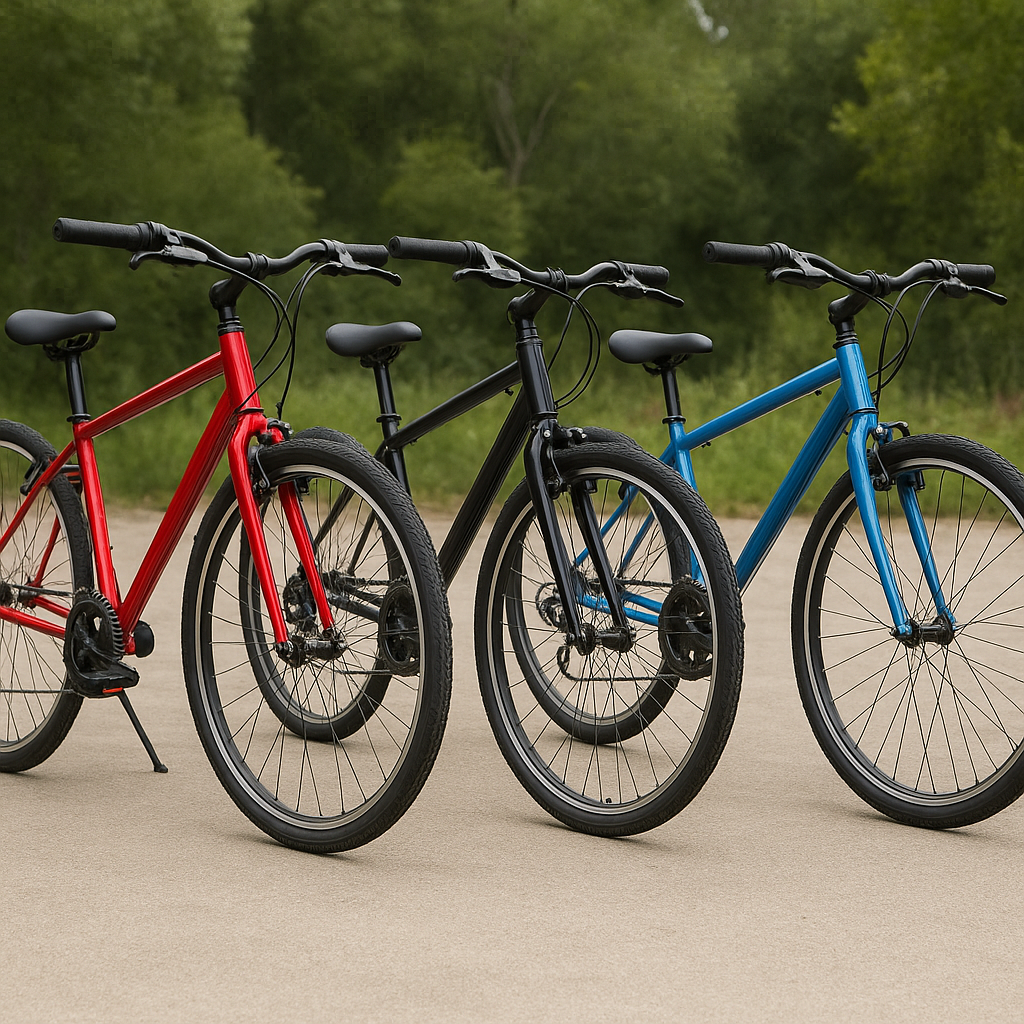
- Hybrid Bikes: The most versatile option, blending road efficiency and light trail capability. Ideal for commuting, fitness loops, and casual exploration.
- Road Bikes: Prioritize speed and aerodynamics with drop handlebars and narrow tires. Best for riders focused on distance, training, or group rides on paved surfaces.
- Gravel/Adventure Bikes: Offer rugged durability and the ability to tackle unpaved routes with wider tire clearances and disc brakes. Perfect for riders who want both pavement and off-road versatility.
When choosing among these types, reflect on the terrain you’ll most frequently encounter. A hybrid may be the all-around winner for daily errands and park trails, whereas a gravel bike shines on mixed surfaces.
Top Budget Bike Models to Consider
The market is packed with affordable choices. Below are several popular contenders that deliver exceptional value:
- Brand A Metro 1.0 Hybrid
- Frame: Lightweight aluminum
- Gearing: Shimano Altus 8-speed
- Brakes: Mechanical disc brakes for reliable stopping power
- Features: Adjustable handlebar stem, rack and fender mounts
- Brand B RoadX 100
- Frame: Double-butted aluminum
- Gearing: Shimano Claris 16-speed
- Brakes: Caliper rim brakes
- Features: Endurance-focused geometry, full carbon fork
- Brand C Trailblazer 700
- Frame: Chromoly steel with reinforced joints
- Gearing: SRAM X4 12-speed
- Brakes: Hydraulic disc brakes
- Features: Wide tire clearance, eyelets for racks and bags
- Brand D Explorer GR
- Frame: Alloy with vibration-absorbing inserts
- Gearing: MicroSHIFT Advent 9-speed
- Brakes: Mechanical disc brakes
- Features: Tubeless-ready rims, comfortable geometry
Each model offers a balance of **performance** and cost-effectiveness. Visit local shops for test rides and expert input on fit adjustments.
Essential Accessories and Safety Gear
Outfitting your bike with the right accessories enhances convenience and protects your well-being on the road.
- Helmet: A properly fitted helmet is non-negotiable. Look for MIPS or multi-impact certifications for added head protection.
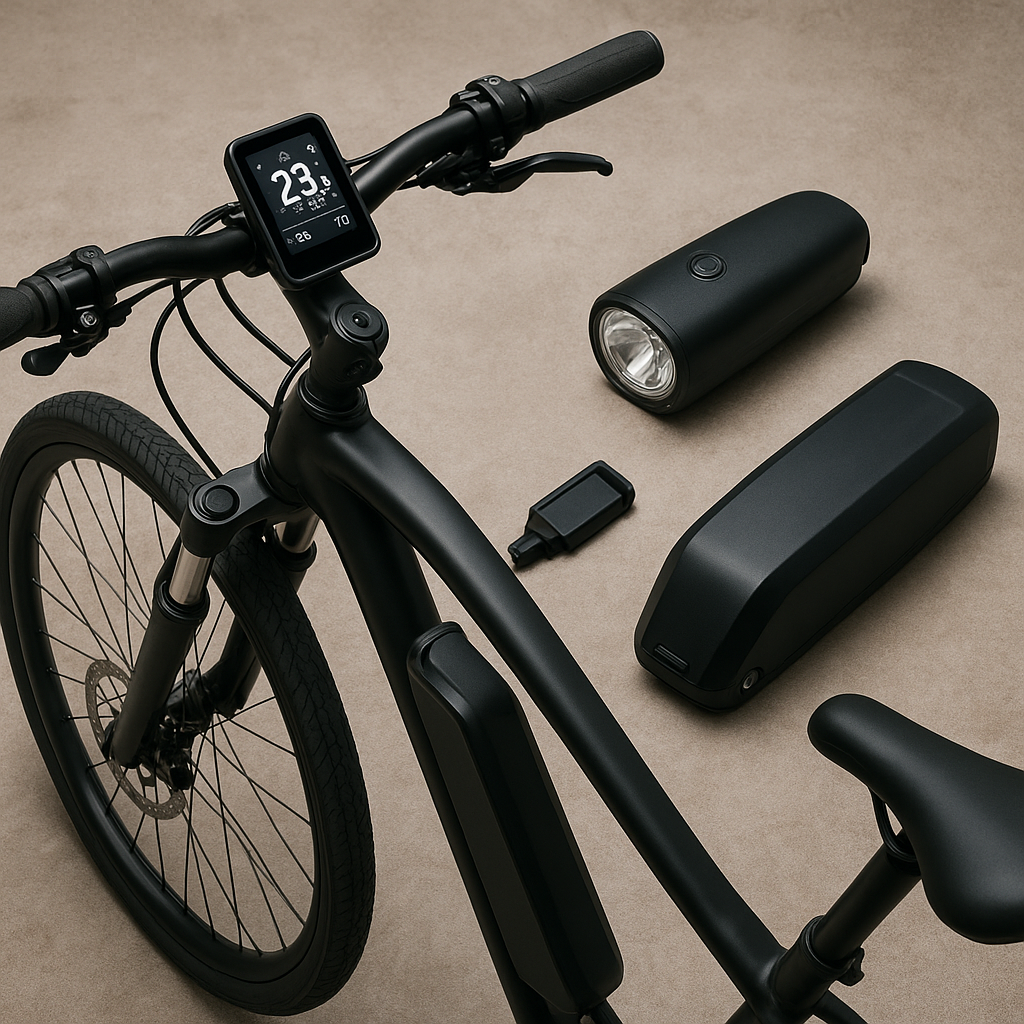
- Lights: Front white and rear red lights with rechargeable batteries ensure visibility during dawn, dusk, or night rides.
- Lock: A U-lock combined with a cable lock secures wheels and frame when parking in public areas.
- Fenders and Rack: Keep clothes clean and carry essentials for commuting or touring.
- Comfort Enhancers: Padded saddle, ergonomic grips, and cycling shorts reduce fatigue on longer rides.
Maintenance Tips for Longevity
Regular upkeep prevents costly repairs and keeps your bike running smoothly. Incorporate these basic tasks into your routine:
- Clean and lubrify the chain every 200–300 miles to avoid premature drivetrain wear.
- Check tire pressure before each ride; recommended PSI is often printed on the tire sidewall.
- Inspect brake pads for wear and replace them if grooves are less than 1mm deep.
- Ensure quick-releases or thru-axles are properly tightened to maintain **safety** and alignment.
- Monitor spoke tension and true wheels regularly to prevent wobbles.
- Schedule annual tune-ups at a local bike shop for comprehensive inspections of bearings, bottom bracket, and headset.
By performing these tasks, you’ll maximize the **reliability** of your ride and avoid unexpected breakdowns.
Getting Started: Setting Off on Two Wheels
With your chosen bike, accessories, and maintenance plan in place, you’re ready to enjoy the freedom of cycling. Begin with short, familiar routes to build confidence. As your skills develop, gradually expand your horizons to include longer journeys and varied terrains. Embrace group rides or local cycling clubs to share experiences and learn from seasoned riders. Above all, prioritize comfort and progress at your own pace—cycling should be as rewarding as it is healthy.