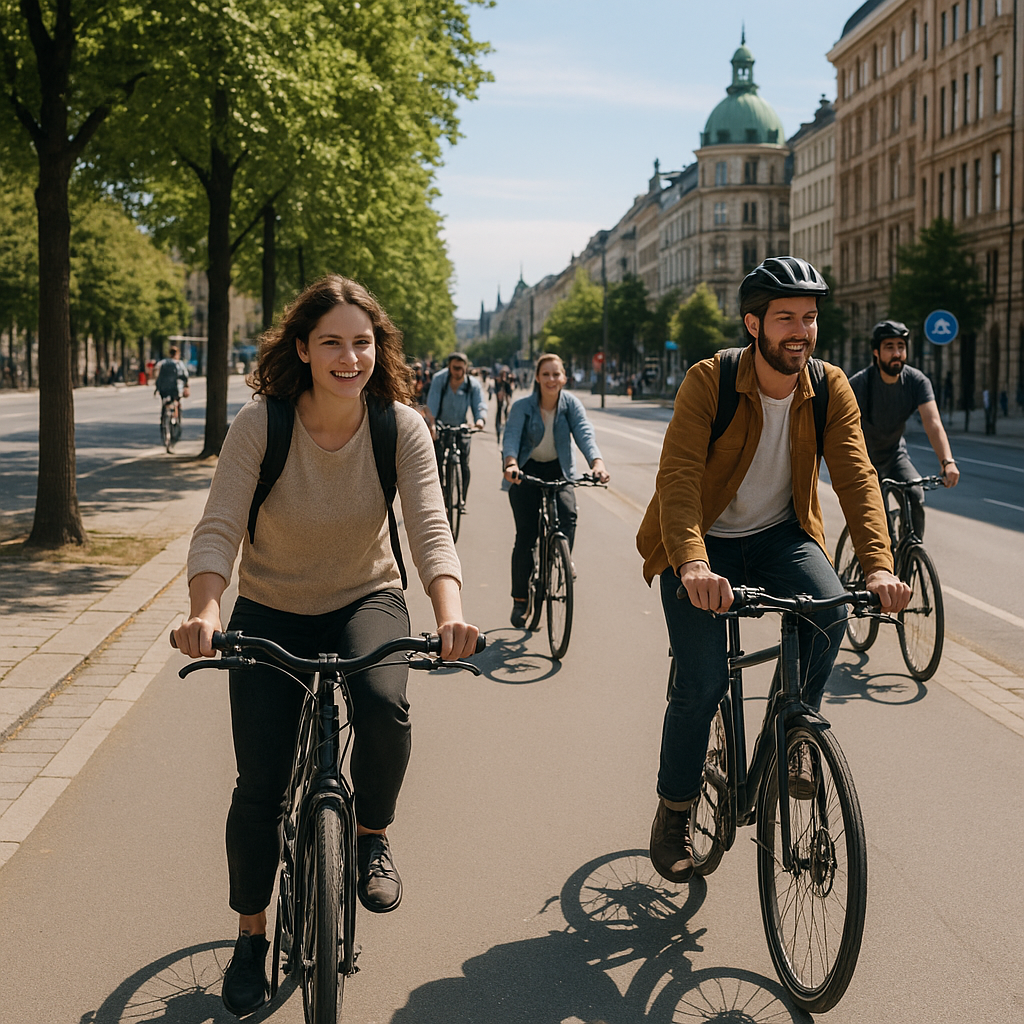
Cycling has transformed urban landscapes around the globe, reshaping how millions commute, explore, and engage with their surroundings. From iconic canal-side bike paths in Amsterdam to steep green corridors in Bogotá, city planners and cycling advocates have collaborated to create inclusive, resilient networks that prioritize two-wheeled travel. This article delves into the core elements that define the world’s top cycling-friendly cities, examining their innovative approaches to infrastructure, shared mobility, and community-driven culture.
Infrastructure of Cycling-Friendly Cities
At the heart of any successful bike-centric metropolis lies a robust infrastructure that seamlessly integrates separated lanes, secure parking, and thoughtful street design. Cities such as Copenhagen and Strasbourg showcase how long-term investment in dedicated bike corridors yields safer streets and higher ridership. Strategic urban planning aligns with principles of connectivity, enabling cyclists to travel from residential neighborhoods to business districts without encountering dangerous traffic bottlenecks.
- Protected bike lanes insulated from car traffic by curbs, bollards, or greenery.
- Intersection innovations like bike boxes, signal prioritization, and colored surfacing.
- Ample bicycle parking at transit hubs, libraries, offices, and shopping centers.
- Traffic-calmed residential zones where speeds are limited to encourage cycling.
Network of Bike Lanes
In Amsterdam, more than 500 kilometers of segregated lanes weave through historic canals, while Portland’s neighborhood greenways offer low-traffic streets tailored to cyclists. Well-designed lane networks reflect a commitment to urban planning that values human-scale mobility over high-speed motor traffic. The emergence of “bike superhighways” in cities like London and Brussels further illustrates how metropolitan regions can link suburbs to downtown cores in a safe, efficient manner.
Integration with Public Transport
Effective cycling cities recognize that bikes and transit go hand in hand. Montreal’s BIXI bike-share docks are located at metro entrances, and many German train stations provide secure cycle parks. By enabling multimodal journeys—ride a bike to a train, then cycle again at the destination—planners enhance overall accessibility and reduce reliance on private automobiles. Fare integration, seamless ticketing, and co-located stations drive home the benefits of a unified transport ecosystem.
Bike-Sharing Programs and Accessibility
Citywide bike-share systems have revolutionized access to cycling for millions, especially in places where private bike ownership may be limited. From free-floating e-bikes in Barcelona to dock-based schemes in New York City, operators experiment with pricing tiers, subscription plans, and real-time tracking to cater to diverse user needs. Emphasizing innovation and inclusivity, these programs often offer reduced fares for students, seniors, and low-income residents.
- Electric-assist bicycles that extend range and encourage ridership on hilly terrain.
- Flexible dockless options that allow riders to start and end trips anywhere in a geofenced area.
- Multi-pass subscriptions—daily, monthly, and annual—to suit both tourists and daily commuters.
- Partnerships with businesses that subsidize corporate bike-share memberships.
Pricing Models and Technologies
Dynamic pricing, pay-as-you-go rates, and bulk-purchase discounts keep bike-share services competitive. In Helsinki, an integrated “City Bike” network is free for the first 30 minutes, incentivizing short hops across downtown. Integration with mobile wallets and contactless payment streamlines the user experience, while embedded GPS units and geofencing reduce theft and sidewalk clutter. These advancements underscore how mobility providers harness technology to foster greener, more equitable transport choices.
Digital Platforms and Apps
Smartphone applications serve as gateways to the modern cycling network, offering real-time availability data, route planning, and safety alerts. Platforms such as Strava and Komoot also empower recreational riders to discover scenic loops in Portland’s Forest Park or the shorelines of Copenhagen’s Amager Island. By compiling user feedback on road quality and traffic conditions, digital tools contribute to a data-driven approach to expanding and refining cycling infrastructure.
Cycling Culture and Community Engagement
A thriving bicycle scene extends beyond concrete and asphalt: it’s sustained by a vibrant tapestry of grassroots movements, educational initiatives, and public events. In Bogotá, the weekly Ciclovía temporarily closes over 120 kilometers of streets to cars, inviting families, fitness enthusiasts, and buskers to reclaim urban space. Such traditions bolster civic pride, encourage healthy lifestyles, and champion environmental stewardship.
- Regular group rides—Critical Mass in Berlin or “Bike to Work” weeks—celebrate collective action.
- Local advocacy organizations lobby for safer streets and equitable access.
- Workshops on bike maintenance and repair build mechanical confidence.
- Pop-up public plazas and street festivals that highlight cycling’s social benefits.
Events and Advocacy Groups
Activism plays a pivotal role in elevating cycling on municipal agendas. In Portland, the Bicycle Transportation Alliance collaborated with city officials to secure flagship bike boulevards; in Adelaide, Australia, local nonprofits organize school-based Safe Routes programs. These coalitions demonstrate how a shared vision of sustainability and road safety can transform political priorities and generate lasting policy change.
Education and Safety
Ensuring that all road users respect cyclists is essential. Comprehensive safety campaigns—ranging from helmet giveaways to simulations of urban riding conditions—foster mutual understanding among motorists, pedestrians, and cyclists. In Tokyo, dedicated traffic-education centers teach children from an early age, reinforcing good habits that carry into adulthood. By highlighting the health benefits of active travel, authorities reinforce cycling as a cornerstone of public well-being and urban resilience.