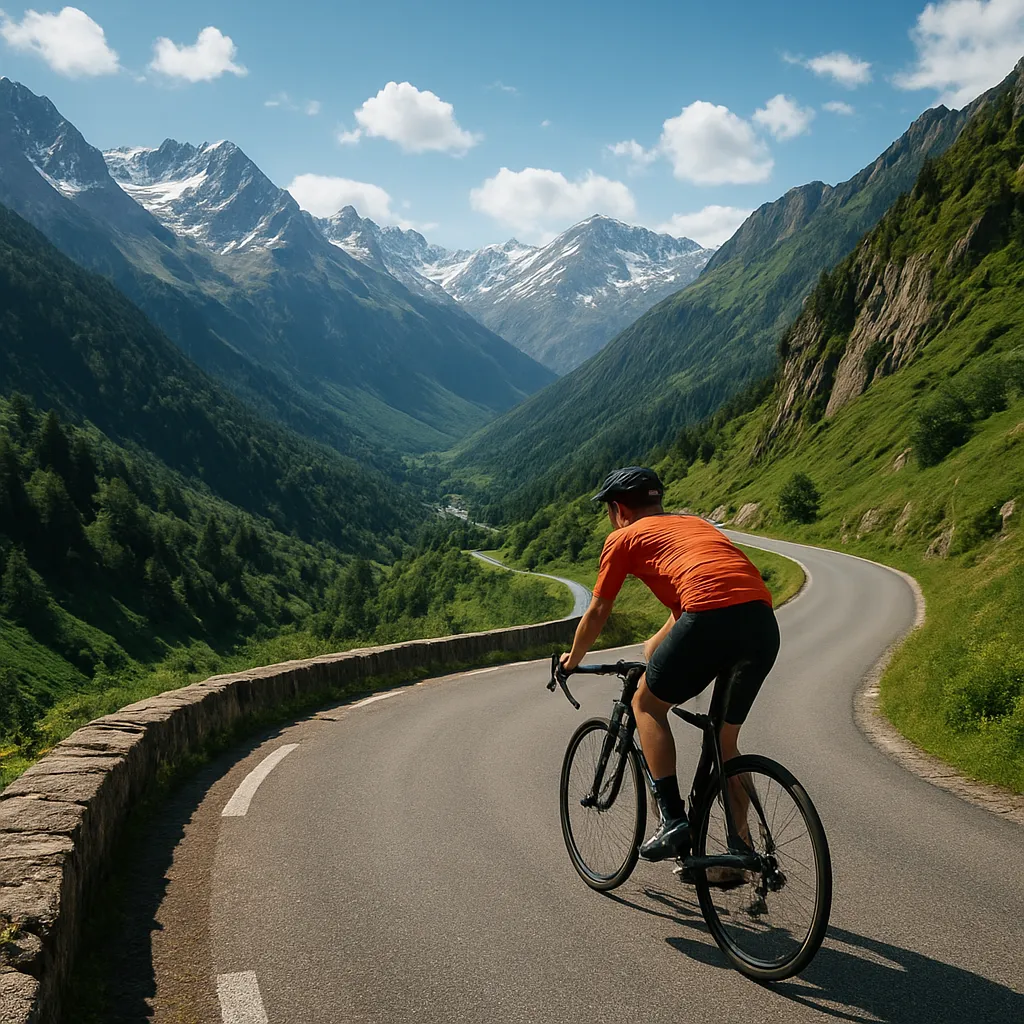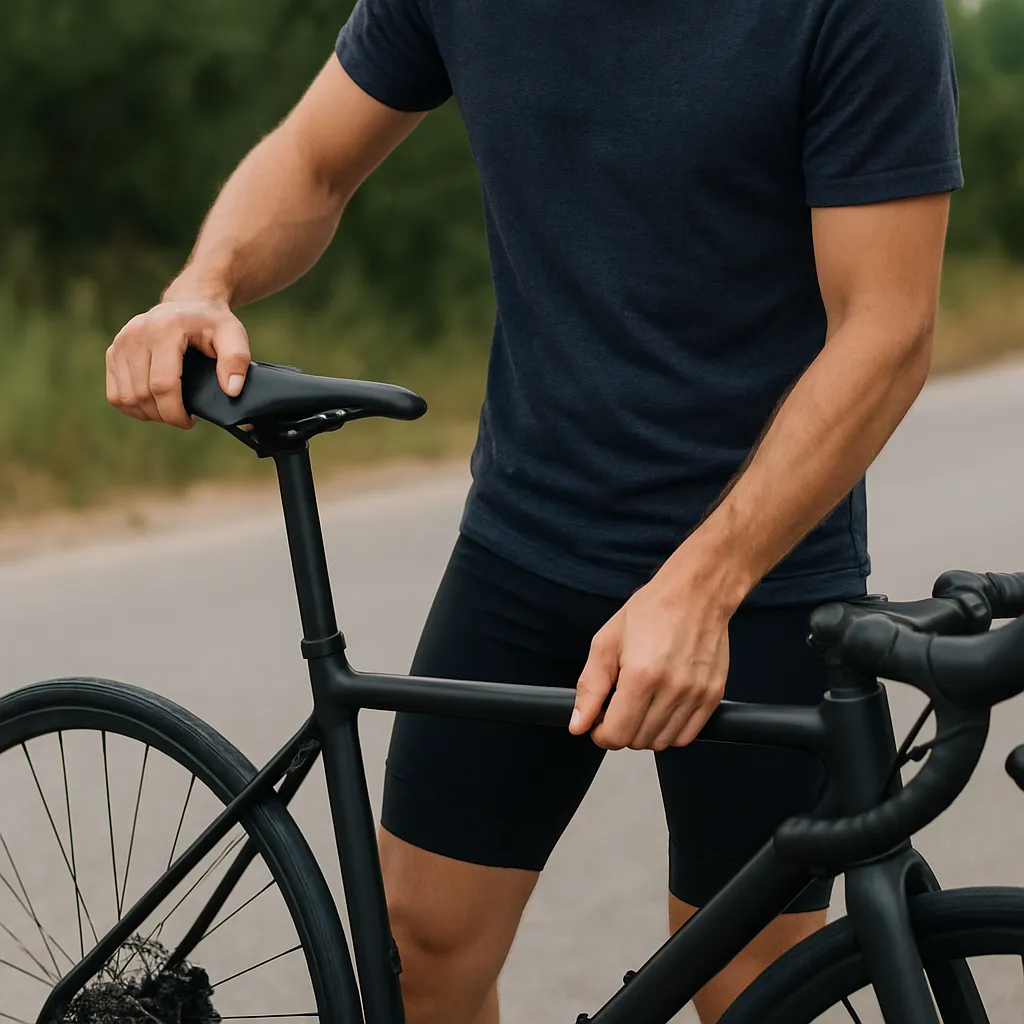
Achieving the ideal balance between comfort and efficiency on a bicycle relies heavily on two critical factors: the **saddle** height and the **handlebar** position. These adjustments influence your **riding efficiency**, help prevent **injury**, and maximize overall **performance**. By focusing on precise **adjustment** techniques and understanding biomechanical principles, every cyclist can enjoy improved **ergonomics**, enhanced power transfer, and superior **rider comfort**.
Understanding the Importance of Saddle Height
The correct saddle height ensures that your leg extends almost fully at the bottom of the pedal stroke without locking your knee. This positioning reduces strain on the joints and optimizes muscle engagement. An improperly set saddle can lead to knee pain, lower back discomfort, and wasted energy.
Why Proper Saddle Height Matters
- Enhanced pedal stroke efficiency: a correct saddle height allows for a smoother, more powerful rotation.
- Reduced injury risk: overextension or underextension can place undue stress on ligaments and tendons.
- Improved comfort: less pressure on the sit bones and soft tissues leads to longer, more enjoyable rides.
Methods to Determine Your Ideal Saddle Height
- Heel-to-pedal method: while seated, place your heel on the pedal and pedal backward until your leg is fully extended. Your hip should remain level without rocking.
- LeMond formula: multiply your inseam length (in centimeters) by 0.883. This provides a starting measurement from the bottom bracket to the top of the saddle.
- Professional bike fit: a dynamic fitting session analyzes your cycling posture under load, fine-tuning the saddle position for maximum comfort.
Signs Your Saddle Is Too Low or Too High
If you notice any of these symptoms, it’s time to readjust:
- Too low: excessive knee bend, knee pain at the anterior (front) region, reduced power output.
- Too high: hip rocking on each pedal stroke, tightness behind the knee, numbness in the crotch area.
Optimizing Handlebar Position
Handlebar height and reach significantly affect your upper-body comfort, steering control, and overall **bike fit**. Whether you’re pursuing fast group rides, long-distance touring, or daily commuting, proper handlebar adjustment prevents wrist fatigue, shoulder tension, and neck strain.
Key Factors in Handlebar Adjustment
- Handlebar height relative to saddle: a higher handlebar offers a more upright, relaxed posture; a lower handlebar boosts aerodynamic **performance** but can increase pressure on the hands.
- Reach and drop: the horizontal distance from the saddle to the handlebars (reach) and the vertical difference (drop) determine how stretched or compact your riding position feels.
- Grip width: ensuring your hands rest naturally on the bar reduces elbow flaring and distributes weight evenly across the upper body.
Step-by-Step Handlebar Setup
- Stand over the bike and hold the brake hoods; your elbows should be slightly bent, and your shoulders relaxed.
- Adjust stem height by adding or removing spacers, ensuring the clamps remain within the manufacturer’s safety zone.
- Rotate the bars until the drops or hoods sit comfortably under your wrists during standard riding and braking positions.
- Check reach: your elbows should form about a 20°–25° angle when holding the hoods. This angle supports optimal breathing and core engagement.
Common Handlebar Mistakes to Avoid
- Excessive drop leading to upper-body collapse and restricted breathing.
- Overstretch causing lower back pain and compromised steering control.
- Incorrect stem length causing wrist extension or flexion beyond a neutral position.
Comprehensive Bike Fit Techniques
A complete bike fit session goes beyond saddle height and handlebar position, incorporating cleat alignment, saddle fore-aft placement, and torso angle. This holistic approach ensures that your body works in harmony with the bike’s geometry, promoting efficient power transfer and reducing the likelihood of overuse injuries.
Components of a Full Bike Fit
- Cleat adjustment: align cleats to match your natural foot rotation and address any leg-length discrepancies.
- Saddle fore-aft: position the saddle so that your knee cap aligns vertically with the pedal axle when your foot is at the three o’clock position.
- Torso angle: target a torso tilt between 45°–60° for endurance rides and 30°–45° for time trials or racing.
Dynamic vs. Static Fitting
Static fitting involves measuring angles and distances with you off the bike, while dynamic fitting uses video analysis and real-time feedback as you pedal. Combining both methods can reveal subtle inefficiencies and guide precise tweaks.
Maintaining Your Setup Over Time
- Reassess after significant changes in training load or flexibility levels.
- Inspect hardware regularly: bolts can loosen, and components may shift under vibration.
- Keep a log of adjustments and perceived comfort to track improvements and identify recurring issues.
Advanced Considerations for Serious Cyclists
Competitive riders and avid enthusiasts often benefit from specialized adjustments such as wedge shims for saddle tilt, custom-molded shorts for pressure relief, and variable-width handlebars to match individual shoulder anatomy.
Addressing Flexibility and Mobility
- Implement a targeted stretching routine focusing on hip flexors, hamstrings, and thoracic spine.
- Incorporate foam rolling to alleviate soft-tissue tension around the glutes and lower back.
- Consider yoga or Pilates sessions to enhance core stability and overall **ergonomics** on the bike.
Technology and Tools for Precision
- Laser alignment tools for cleat and saddle positioning.
- Power meters and pressure mapping systems to evaluate force distribution.
- Motion-capture software to analyze joint angles and muscle activation patterns.
Preventing Common Riding Issues
Proper saddle and handlebar adjustments are fundamental in preventing ailments such as saddle sores, numbness, and tendonitis. A balanced setup allows you to focus on the ride rather than fighting discomfort.
Tips for Injury Prevention
- Gradually adapt to new positions—avoid making drastic changes overnight.
- Listen to your body: unusual pain signals demand immediate reassessment.
- Ensure that your indoor trainer setup mimics your outdoor positions to prevent maladaptation.
Enhancing Long-Term Comfort
- Rotate between two saddle models during extended training periods to vary pressure points.
- Experiment with different handlebar tape thicknesses for cushioning and vibration damping.
- Plan rest days and active recovery rides to allow soft tissues to adapt to the stresses of pedaling.