Shipping a bicycle across borders demands meticulous planning to ensure it arrives in pristine condition. From careful dismantling and secure packaging to navigating customs paperwork and selecting reliable couriers, each step plays a pivotal role. This guide unpacks strategies that cyclists, hobbyists, and professionals can employ to protect their two-wheelers against potential hazards during transit. By focusing on key aspects such as padding, documentation, and reassembly, you can drastically reduce the risk of damage and delays.
Preparing Your Bicycle for Safe Transit
Initial Inspection and Cleaning
Begin by conducting a thorough inspection of your bike to identify existing scratches or dents. A clean frame is essential; dirt and grime can hide hairline cracks or weak spots. Use a gentle brush and mild detergent, then rinse and dry completely. Taking clear photos before disassembly provides a visual record that can be invaluable if an insurance claim becomes necessary. Proper cleaning also enhances protection by eliminating abrasive particles that might scrape the finish during handling.
Strategic Dismantling
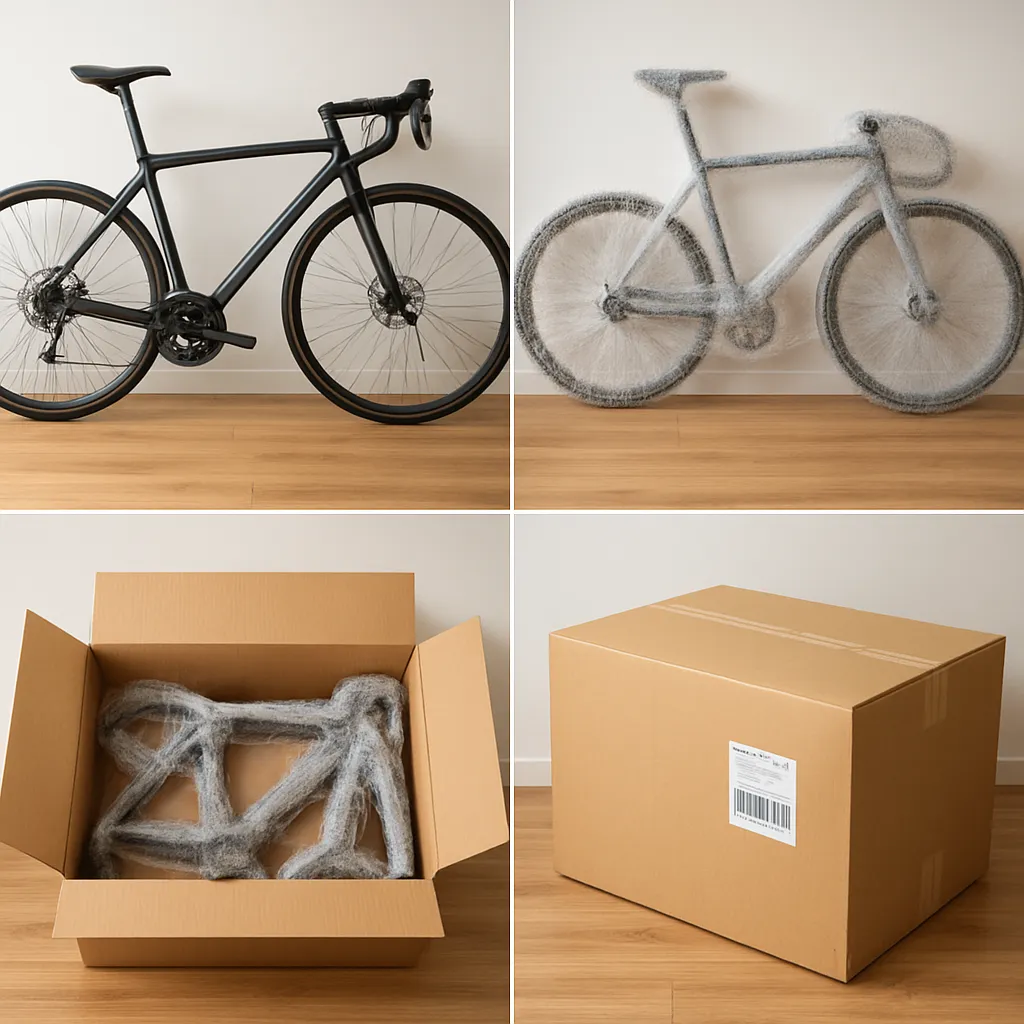
Dismantling components not only saves space but also reduces the chance of parts shifting or catching inside the box. Remove pedals, wheels, handlebars, and saddle. Loosen the headset and twist the handlebars sideways. Deflate tires slightly to absorb shocks and prevent blowouts. For each part, wrap in bubble wrap or foam sheets, securing with tape. Label every piece to simplify assembly upon arrival. A well-documented process keeps you organized and speeds up reassembly.
Frame Protection and Padding
Focus on safeguarding vulnerable sections of the frame, such as the head tube, dropouts, and derailleur hanger. Use thick foam tubes or specialized frame protectors to cover the top tube and down tube. Slip soft plastic sheeting between metal parts to prevent contact. Fill any hollow sections—like the head tube—with crumpled paper to cushion impacts. Effective padding enhances overall durability by distributing pressure and reducing stress on critical welds and joints.
Selecting the Optimal Packaging and Carrier
Choosing the Right Bike Box or Crate
Options range from lightweight cardboard bike boxes to heavy-duty wooden crates. Cardboard is cost-effective and recyclable but may offer less impact resistance. Wooden crates add weight and shipping costs but excel at shielding against rough handling. Rental bike boxes combine affordability with reinforced corners. Whichever you choose, ensure dimensions match your bike’s measured length, height, and width. Extra space for padding must be factored in to guarantee proper cushioning.
Essential Packing Materials
- Heavy-duty bubble wrap or foam sheets
- Packing tape rated for heavy loads
- Corrugated corner protectors
- Zip ties and reusable straps
- Fragile stickers and handling labels
Invest in quality materials to mitigate risks during loading and unloading. Applying warning labels on multiple sides helps handlers identify the contents as delicate, improving the bike’s chance of gentle treatment.
Selecting a Reliable Courier
Research carriers specializing in sporting equipment or oversized items. Compare rates, transit times, and insurance options. Look for reviews referencing bike shipments and examine claims ratios. Some couriers offer door-to-door pickup and delivery, simplifying logistics. Prioritize services with robust tracking systems, ensuring you can monitor progress and receive alerts about any exceptions.
Managing International Procedures and Documentation
Customs Requirements
Every country enforces unique import/export regulations. Contact local customs authorities or use online databases to verify paperwork requirements. Common documents include a commercial invoice, packing list, and bill of lading. Declare the bike’s value accurately to secure appropriate insurance coverage. Failure to submit correct forms can lead to fines, holds, or even seizure of the shipment.
Insurance and Liability
Standard liability coverage by couriers is often minimal. Purchase supplemental cargo insurance that specifically covers high-value bicycles. Policies typically cover damage, loss, and theft. Read the fine print to understand deductibles, exclusions, and claims procedures. Having solid coverage offers peace of mind, especially when shipping expensive carbon frames or electronic componentry.
Advanced Tracking and Coordination
Many logistics providers now offer real-time tracking via smartphone apps or online portals. Monitor the bike’s status at every checkpoint, from origin scan to customs clearance to final delivery. If any delays occur, proactive communication with the carrier can help resolve issues swiftly. Sharing tracking details with recipients ensures they can prepare for delivery and avoid missed pickups.
Reassembly and Post-Shipping Care
Unpacking Safely
Choose a spacious work area with soft floor protection or mats. Open the box carefully using a cutter, mindful not to scratch the frame. Lay components on a clean surface and compare against your pre-shipment parts list. Inspect each part for signs of damage—scratches, bent spokes, or chipped paint. Document any discrepancies before assembly to support any damage claims.
Step-by-Step Assembly
- Install fork and tighten headset bearings to recommended torque.
- Reattach handlebars and align them square to the front wheel.
- Mount the wheels, inflate tires to proper pressure.
- Reinstall pedals, saddle, and accessories.
- Adjust derailleurs and brakes, ensuring smooth operation.
Follow the manufacturer’s torque specifications and alignment guidelines diligently. Proper reassembly restores optimum performance and prevents premature wear.
Final Inspection and Test Ride
Before hitting the road, perform a comprehensive safety check. Ensure bolts are torqued correctly, cables are routed without kinks, and the drivetrain shifts crisply. Take a short test ride in a controlled environment, listening for unusual noises or vibrations. Verify comfort and handling, making any small adjustments needed for peak performance.
Maintaining Your Bicycle After Shipping
Regular Maintenance Routines
To sustain long-term reliability, establish a maintenance schedule: clean your bike after each ride, lubricate the chain weekly, and inspect bolts monthly. Address minor issues like loose spokes or slight brake misalignments before they escalate. Consistent upkeep preserves the bike’s integrity and prolongs the lifespan of sensitive components like carbon fiber forks and sealed bearings.
Upgrading for Durability
Consider investing in robust accessories designed to endure frequent shipping or travel. Frame saver sprays protect internal tubing from corrosion. Replace quick-release skewers with thru-axles where possible for enhanced rigidity. High-quality saddle bags and frame packs distribute weight evenly, reducing stress on mounting points and preventing rubbing against the frame.
Building a Travel-Friendly Kit
Compile a compact toolkit featuring allen keys, a pedal wrench, a torque wrench, spare tubes, and patch kits. Having these essentials on hand during reassembly or impromptu repairs can save time and headaches. Store tools in a dedicated case or bag that fits neatly within your bike box, ensuring they remain organized and accessible.