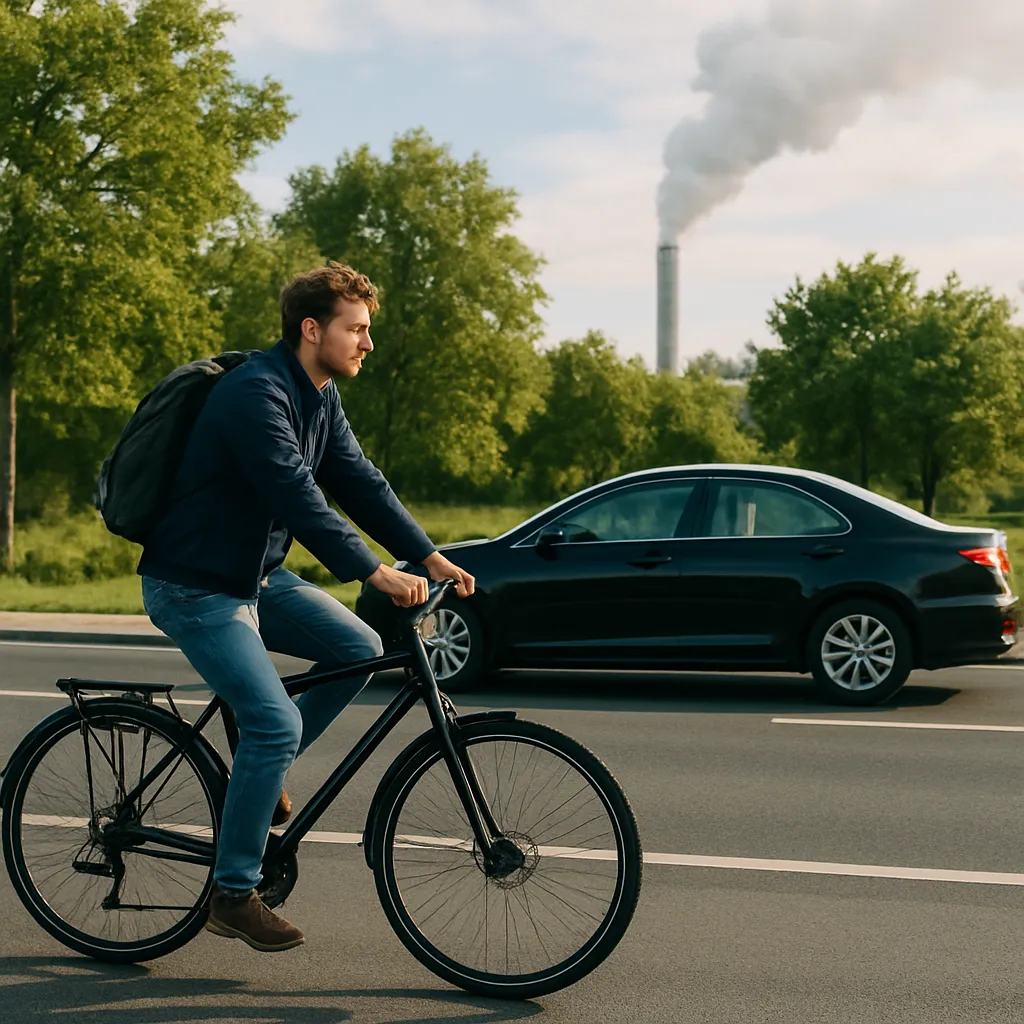
Cycling has emerged as a powerful strategy for reducing our environmental impact while promoting healthier communities. By replacing short car trips with bicycle rides, individuals can contribute to cleaner air, quieter streets, and a more resilient urban landscape. This article explores the multifaceted advantages of choosing two wheels over four, examining environmental, health, economic, and infrastructural perspectives.
Environmental Advantages of Bicycling
Embracing bicycles represents one of the most sustainable transportation options available. Unlike cars, bikes produce zero tailpipe emissions, leading directly to improved air quality. Urban areas, in particular, struggle with smog and particulate pollution, much of which comes from private vehicles. Shifting to cycling can significantly lower levels of nitrogen oxides (NOx), volatile organic compounds (VOCs), and fine particulate matter (PM2.5).
Reduction of Carbon Footprint
The global transportation sector accounts for nearly 24% of CO2 emissions. Even short car trips under 5 kilometers can contribute disproportionately to climate change. Bicycles, in comparison, require no fossil fuels to operate. By opting for a bike, individuals cut their personal carbon footprint dramatically. Over a year of commuting, a cyclist can save approximately 500 to 1,000 kilograms of CO2, depending on local fuel efficiency and trip frequency.
Resource Efficiency
Manufacturing a bicycle demands far fewer resources than building a car. The steel, aluminum, rubber, and electronics needed for one bicycle are a fraction of those used in automobile production. Additionally, the energy used in producing and maintaining bike infrastructure—bike racks, lanes, parking—is minimal compared to that required for roads, parking garages, and traffic management systems.
Health and Social Impacts
Beyond environmental benefits, cycling offers extensive advantages for physical and mental well-being. Medical research consistently links regular moderate exercise like biking to decreased risks of heart disease, diabetes, obesity, and certain cancers.
Physical Well-Being
Commuting by bike integrates exercise into daily routines, helping individuals maintain a healthy weight and improve cardiovascular fitness. A 30-minute ride burns calories equivalent to a gym workout but feels more engaging due to changing scenery and fresh air. Over time, cyclists often report enhanced muscle tone, joint mobility, and endurance.
Mental Health Benefits
Exposure to outdoor environments and physical activity stimulate the release of endorphins, reducing stress and symptoms of depression. Cycling commutes can serve as a buffer against work-related tension, offering a sense of freedom and mental clarity that cars rarely provide. Moreover, quieter streets and dedicated bike paths foster safer, more equitable public spaces for all ages.
Economic and Community Effects
Investing in cycling infrastructure and supporting bike-friendly policies can yield substantial economic returns. Households that rely on bicycles save money on fuel, maintenance, insurance, parking fees, and vehicle depreciation. On average, a car owner in a major city spends several thousand dollars annually, whereas a cyclist’s yearly costs rarely exceed a few hundred.
Local Business Growth
Bicyclists frequently shop at neighborhood businesses, reinforcing local economies. Studies show that customers arriving by bike or on foot spend more per visit than those arriving by car. Compact bike parking areas encourage increased foot traffic, fostering vibrant commercial districts and stronger community bonds.
Job Creation and Tourism
Bicycle manufacturing, repair shops, and shared-bike programs generate employment opportunities. Additionally, bike tourism has gained popularity, drawing enthusiasts to scenic routes and urban cycling events. Regions investing in dedicated cycling lanes often see rises in visitor overnight stays and related service spending.
Infrastructure and Policy Considerations
For cycling to flourish, cities must implement thoughtful policies and build safe, accessible infrastructure. Effective measures include:
- Protected bike lanes: Segregated paths reduce collisions and encourage ridership.
- Traffic calming: Lower speed limits and traffic circles enhance safety for all road users.
- Bike-sharing programs: Affordable, on-demand access to bicycles promotes first- and last-mile connectivity.
- Cyclist education: Training courses and public awareness campaigns help riders and motorists coexist harmoniously.
- Secure bike parking: Well-lit, weather-protected facilities deter theft and vandalism.
Policy Frameworks and Incentives
Governments can accelerate cycling adoption through fiscal incentives such as tax credits for bike purchases, subsidies for e-bikes, and reimbursement schemes for bike commuting. Workplace programs offering on-site showers, lockers, and bicycle maintenance kits further encourage employees to leave their cars at home.
Integrating Bicycles with Public Transit
A truly multimodal network allows seamless transition between bikes and buses or trains. Features like bike racks on buses, secure stations at transit hubs, and unified ticketing systems improve accessibility and foster a broader shift away from car dependency. Combining cycling with transit also extends the reach of public transport, reducing traffic congestion and promoting social inclusion.
Emerging Innovations in Cycling
Technological advances continue to expand the appeal and practicality of cycling. Innovative solutions include:
- Electric assist bicycles: E-bikes lower the barrier for longer commutes and hilly terrain.
- Smart helmets and wearables: Integrated sensors monitor performance and enhance safety through accident alerts.
- Connected infrastructure: Traffic signals and sensors that prioritize cyclists at intersections.
- Lightweight materials: Cutting-edge composites reduce bike weight while boosting durability.
- Mobile apps: Route-finding, parking availability, and community ride-sharing platforms.
These advancements make cycling more inclusive, efficient, and appealing to diverse populations. By embracing digital tools and modern design, cities can achieve a significant modal shift toward active transportation.
Building a Resilient and Healthy Future
Emphasizing bicycles as a cornerstone of urban mobility enhances a city’s resilience against climate challenges, reduces noise pollution, and creates lively public spaces. As more people recognize the interconnected benefits—environmental, health, economic, and social—cycling will play an increasingly vital role in shaping sustainable, community-centered cities. By prioritizing safe bike lanes, supportive policies, and innovative technologies, we can unlock the full potential of two-wheeled transport for generations to come.