Reliable two-wheeled travel has transformed urban landscapes around the globe, inviting millions to swap four wheels for pedals. Enthusiasts and daily riders alike praise the freedom of the open road, discovering how bicycles reshape both individual routines and entire cities. From serene canal paths to buzzing downtown lanes, these micro-adventures celebrate active living and inspire communities to rethink mobility.
Infrastructure and Safety
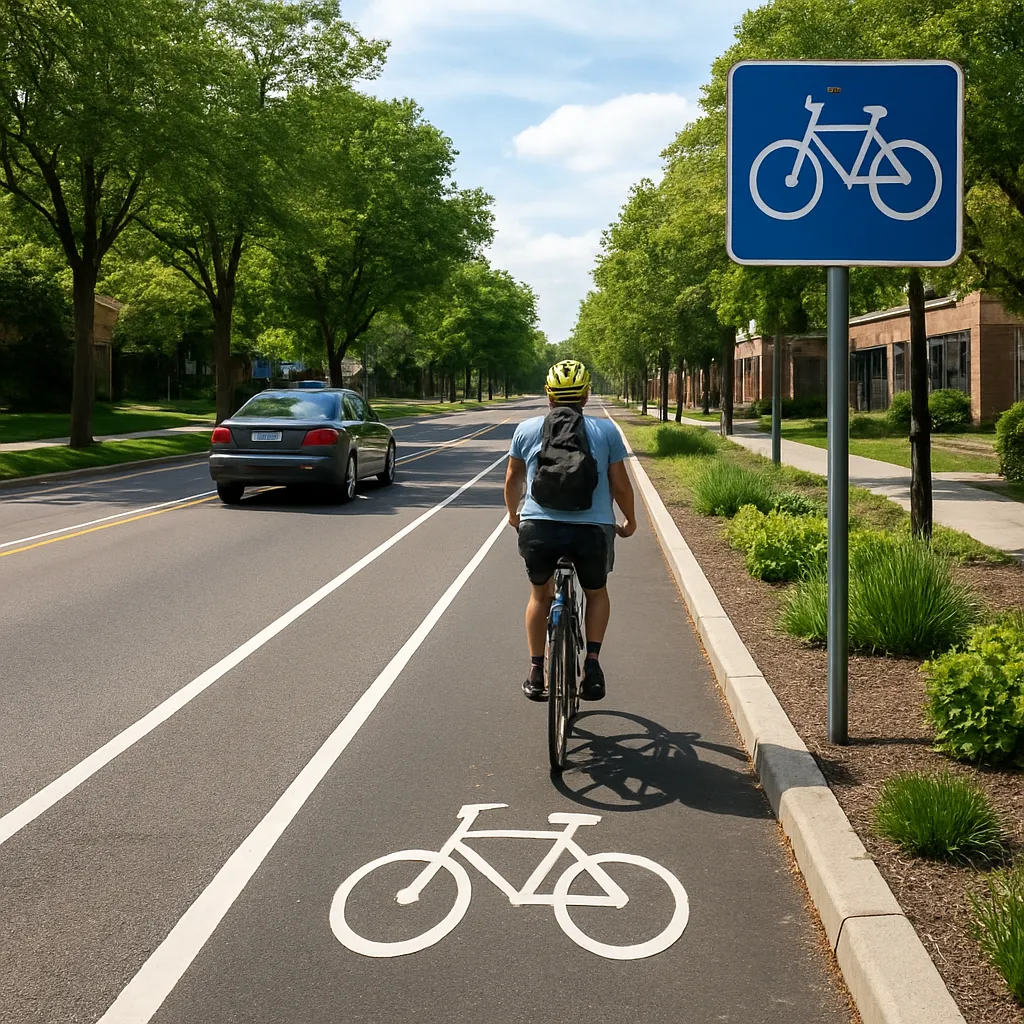
Robust infrastructure is the backbone of any successful bike-friendly city. Smooth, well-connected routes minimize conflicts with motor traffic and encourage more people to ride. Many municipalities invest in dedicated lanes, separate signals, and clear signage to protect cyclists and pedestrians.
Protected Bike Lanes
Protected lanes physically separate riders from vehicles with curbs, bollards, or planters. This design reduces collision risks and fosters a sense of personal safety. Cities like Copenhagen and Bogota showcase networks of these lanes, linking suburbs to central districts without riders worrying about speeding cars.
Intersection Design
Smart intersections use bicycle-specific traffic lights, raised crossings, and advanced stop lines that give cyclists a head start. Such features decrease waiting times and streamline commutes. Complementary elements include:
- High-visibility paint and reflective markers
- Dedicated turn signals for bicycles
- Bike boxes offering a safe space at red lights
Health and Environmental Benefits
Switching to bicycles delivers profound advantages for both riders and the planet. By shedding car keys, commuters actively promote a cleaner environment and reduce greenhouse gas emissions. Regular pedaling also targets major health concerns by boosting cardiovascular health and encouraging daily fitness.
Reduced Air Pollution
Every trip on a bike replaces a portion of toxic exhaust, contributing to improved urban air quality. Less smog and particulate matter mean fewer respiratory illnesses, benefiting all residents. Governments often track emission reductions linked to cycling campaigns, showcasing measurable environmental gains.
Physical and Mental Well-Being
Cycling demands moderate effort, perfect for people at various fitness levels. Consistent riders enjoy:
- Higher energy and reduced stress
- Lower rates of obesity and diabetes
- Improved joint mobility without high-impact strain
Active travel also lifts mood through endorphin release, combating anxiety and depression. Integrating movement into daily life transforms chores and commutes into opportunities for rejuvenation.
Community and Culture
Bikes unite people across income levels, backgrounds, and professions. Weekly group rides, organized events, and car-free festivals promote a shared sense of purpose. Advocates often collaborate with city planners to secure new lanes and repair stations, cementing a grassroots identity.
Bike Sharing Programs
Shared fleets span from classic cruisers to e-bikes, unlocking the connectivity between neighborhoods. Users tap a card or smartphone app to unlock a bike and drop it off at any docking station. Effective schemes scale with demand, expanding into residential zones and transit hubs.
Critical Mass Rides
Monthly mass ride events temporarily close major boulevards to cars, transforming city centers into safe zones for cyclists. These gatherings embody solidarity, drawing families, commuters, and tourists. Planners and local businesses often collaborate, offering food stalls, live music, and safety workshops along the route.
Technology and Innovation in Urban Cycling
From smart locks to connected streetlights, technology accelerates cycling’s appeal. Startups experiment with new electronics, apps, and design philosophies to cater to modern riders. These breakthroughs promise a future where every pedal stroke is safer, more efficient, and more inclusive.
Electric Assist and Cargo Bikes
E-bikes extend the reach of pedal power by adding battery-driven torque. Suburban families can replace cars for school runs, while couriers deliver heavy packages without back strain. Cargo cycles sport reinforced frames and modular forms, making them ideal for urban deliveries or weekend shopping hauls.
Data-Driven Planning
Governments and NGOs deploy sensors to track usage patterns, pinpointing areas that need upgrades. Real-time apps display the density of riders, peak times, and weather-based demand forecasts. Planners then prioritize expansion projects where they’ll have the most significant impact.
Case Studies: Top Cities Leading the Charge
While many places embrace cycling, certain cities stand out for their comprehensive commitment. A comparative glance reveals unique approaches:
- Amsterdam: Over 500 kilometers of separated lanes and bicycle bridges across water canals.
- Portland: A thriving bike culture bolstered by community advocacy and innovative parking solutions.
- Seville: Rapid infrastructure rollout transformed it from a car-centric town to a cycling haven in just a few years.
- Tokyo: Integration of cycling with public transit, ensuring seamless first- and last-mile connections.
- Utrecht: Award-winning traffic management and a massive underground bike parking garage near the central station.
Getting Started: Tips for New Riders
Beginners should focus on comfort and confidence. Key recommendations:
- Choose a bike suited to your daily terrain and load requirements.
- Wear a properly fitted helmet and high-visibility clothing.
- Plan routes using dedicated cycling maps and apps.
- Practice defensive riding techniques in low-traffic areas before venturing into busy streets.
- Learn basic maintenance, such as fixing flats and adjusting brakes.
With the right gear and mindset, urban cycling becomes an empowering routine rather than a daunting challenge.