The Rise of Urban Cycling – Why Cities Are Turning Two-Wheeled
Infrastructure Innovations in Urban Cycling
Redesigning Streets for Pedal Power
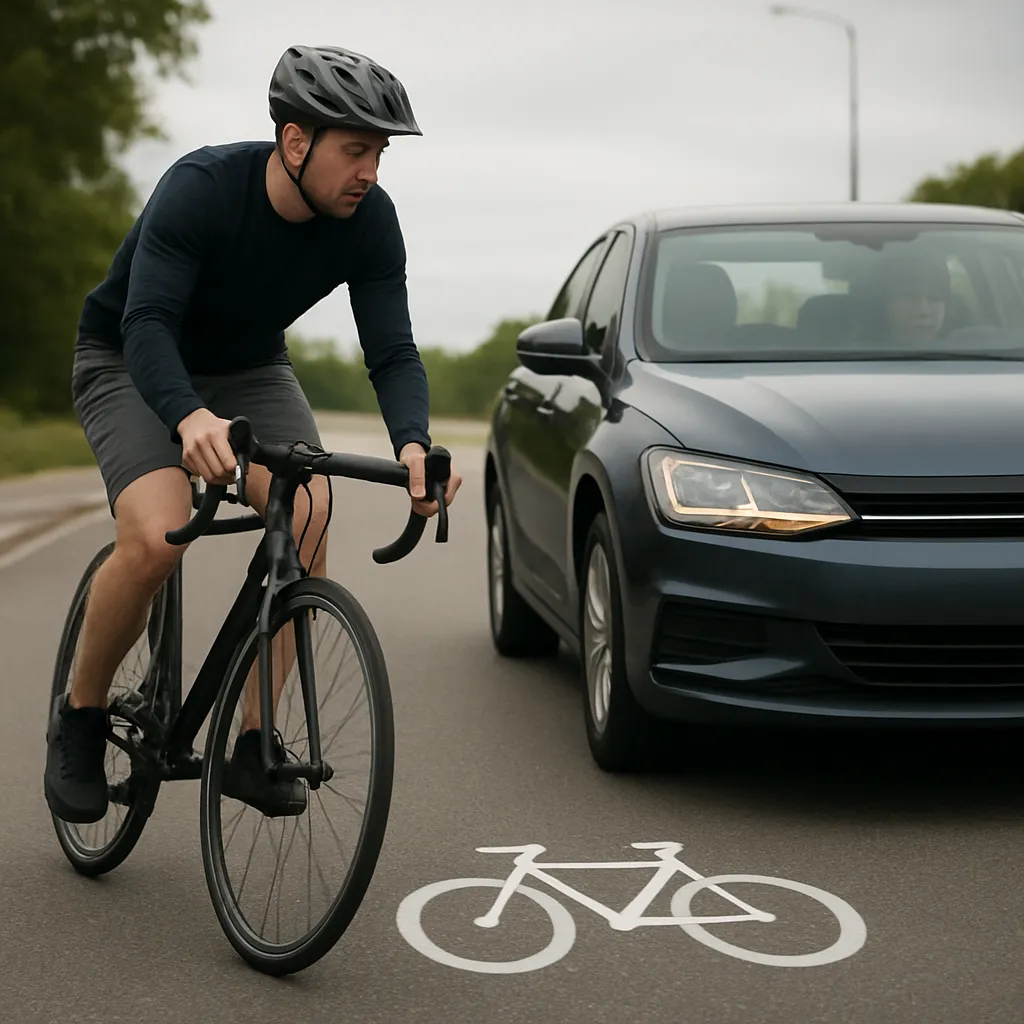
Urban planners worldwide are embracing innovation in order to make cycling a safe and attractive mode of transportation. Gone are the days when bicycles shared crowded lanes with heavy motor traffic; modern city streets feature dedicated, protected bike lanes and advanced signaling systems that prioritize two-wheeled travelers. These purpose-built corridors are not only physically separated from automobile lanes, but also incorporate colored pavement, raised curbs, and flexible bollards to enhance visibility and reduce conflicts at intersections.
Bike Sharing and Micromobility Hubs
Bike-sharing programs have become synonymous with accessibility in urban areas. Stations loaded with pedal and electric bikes can be found near transit stops, workplaces, and entertainment districts, providing a seamless first-mile/last-mile solution. Integration with smartphone apps enables riders to locate available bicycles, check battery levels for e-bikes, and pay with a tap. Meanwhile, micromobility hubs combine parking, repair stations, and charging docks for electric-assist bicycles, empowering daily commuters and casual users alike.
- Protected bike lanes with physical separation
- Adaptive traffic lights favoring cyclists
- Real-time route mapping and navigation
- Secure bike parking and repair stations
Health and Environmental Benefits
Reducing the Carbon Footprint
Cycling is at the heart of sustainability initiatives aimed at cutting greenhouse gas emissions. A single bicycle replaces a motor vehicle, instantly reducing an individual’s carbon footprint by an average of one ton annually, depending on distance traveled. Citywide adoption of two-wheeled transit can transform skyline smog into clearer air, while lowering noise pollution and curbing reliance on fossil fuels.
Improving Public Health
Regular cycling leads to measurable health improvements, including stronger cardiovascular fitness, lower body mass index, and reduced risk of chronic diseases. Urban cyclists benefit from daily exposure to fresh air and green corridors, which studies link to improved mental well-being and decreased stress levels. By shifting trips from cars to bicycles, municipalities observe fewer respiratory ailments, reduced healthcare expenditures, and an overall boost in community vitality.
Social and Economic Impacts
Boosting Local Economies
Retailers and small businesses thrive in cycling-friendly neighborhoods. When bike lanes are introduced, pedestrian foot traffic rises, attracting customers to cafes, shops, and markets along the route. Economic analyses reveal that cyclists spend approximately 30% more per month in local establishments than drivers, owing to their frequent stops and leisure pace. This synergy between urban cycling and commerce is revolutionizing downtown districts across the globe.
Fostering Community and Equity
Access to safe cycling is a powerful tool for promoting social equity. In many cities, underserved communities face limited transit options. Affordable bike programs and shared e-bike services bridge the gap, granting residents greater job and educational access. Cycling clubs and group rides strengthen neighborhood bonds, creating an inclusive community that celebrates shared experiences and multicultural engagement. As more people adopt two-wheeled journeys, social cohesion and mutual respect flourish.
Overcoming Challenges and Future Prospects
Addressing Safety Concerns
Though cycling offers clear advantages, safety concerns remain a barrier for many potential riders. To build trust, cities implement comprehensive safety campaigns: helmet giveaways, skills workshops, and public awareness drives that teach motorists to respect cyclists. Data-driven crash mapping helps authorities pinpoint high-risk zones and roll out targeted countermeasures such as speed-calming measures and improved lighting.
Embracing Technological Advances
The future of urban cycling hinges on continuous infrastructure upgrades and technological leaps. Innovations like autonomous bicycle traffic management, solar-powered e-bike charging stations, and smart helmets with integrated sensors are on the horizon. Real-time data analytics will enable seamless coordination between municipal transit agencies and micromobility providers, ensuring that bicycles remain a flexible, efficient mode of urban mobility.
Building Resilience for Tomorrow
As cities face climate change, economic shifts, and evolving public health challenges, two-wheeled transport emerges as a symbol of resilience. By removing reliance on a single transit system, urban centers become more adaptable. In the face of extreme weather events, cycling networks offer redundancy when other infrastructure fails. Encouraging widespread bike use is not just a short-term solution—it is a long-term strategy for crafting healthier, greener, and more vibrant metropolitan landscapes.