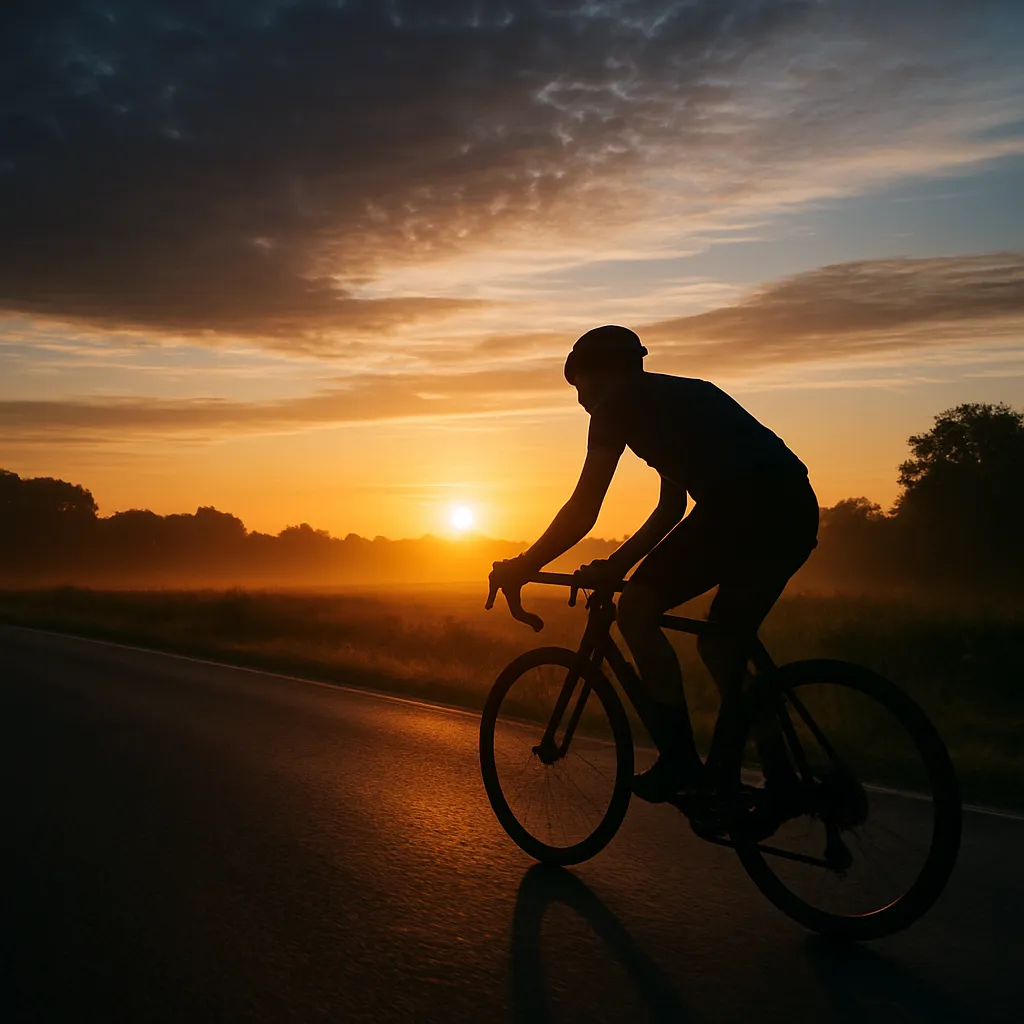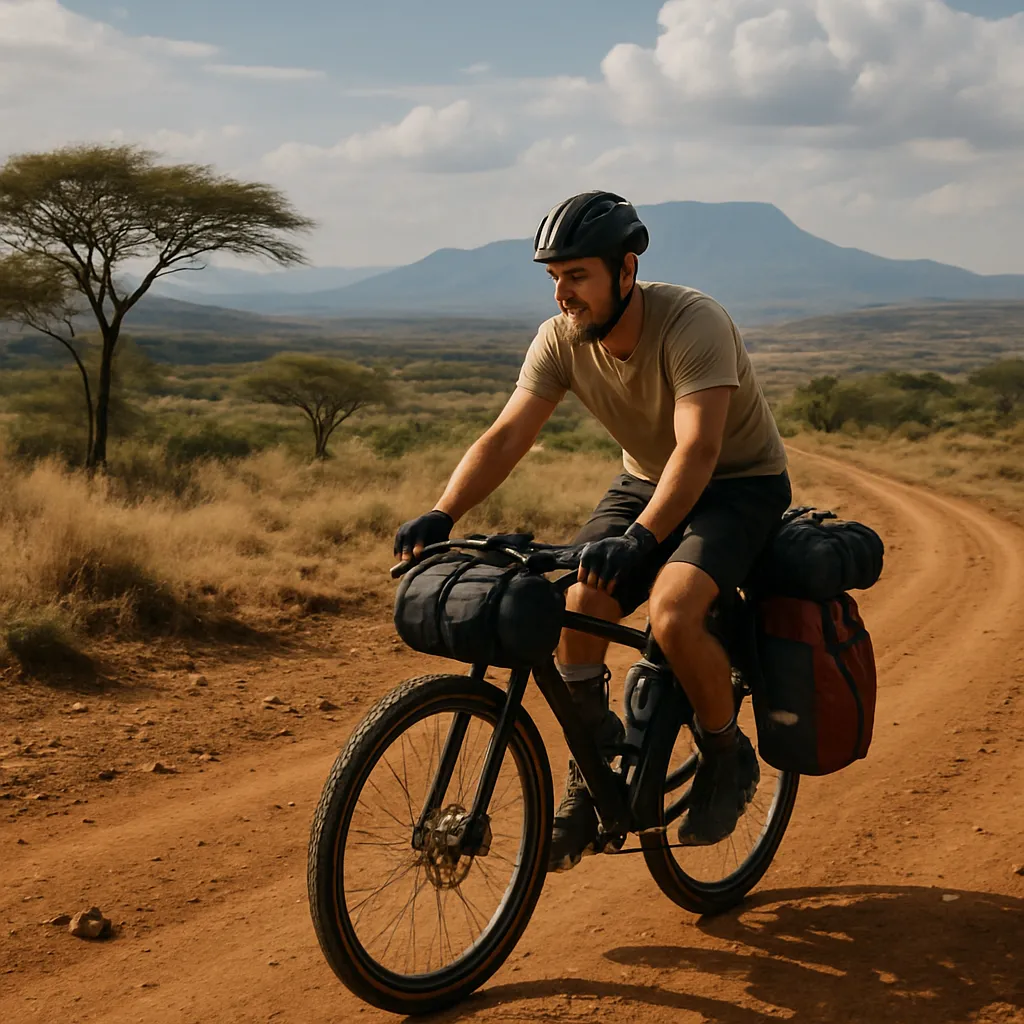
Embarking on a journey that spans continents on two wheels transforms the simple act of riding a bicycle into an epic tale of perseverance and discovery. Traversing Africa on a bike offers an unparalleled blend of sweeping landscapes, unexpected encounters, and lessons in resilience. Whether you are an experienced cyclist or an avid adventurer seeking to test your limits, this expedition promises both trials and triumphs through some of the world’s most diverse environments.
Route Planning and Preparation
Choosing the right path is a vital step in any long-distance cycling trip across Africa. From the Mediterranean coasts down to the Cape of Good Hope, you will encounter a remarkable spectrum of climates and cultures. Careful planning ensures that you are equipped to meet each challenge with confidence.
Selecting Your Corridor
Popular north-south corridors include:
- Morocco to South Africa: A classic route highlighting the Sahara, Sahel, and southern savannas.
- West Africa Loop: Navigates coastal nations like Senegal, Côte d’Ivoire, and Ghana, showcasing Atlantic vistas and vibrant markets.
- East Africa Trail: Passes through Kenya, Tanzania, and Malawi, featuring the Great Rift Valley and high-altitude plateaus.
Each corridor demands attention to logistics such as visa regulations, border crossings, and local transportation options. Mapping potential resupply points and safe camping locations can mean the difference between a smooth ride and unexpected detours.
Gear and Equipment Essentials
A well-prepared cyclist will include the following in their pack:
- Bicycle frame suited for mixed terrain (steel or titanium recommended).
- Reinforced panniers or bikepacking bags for reliable storage.
- High-capacity water bladder and water purification system.
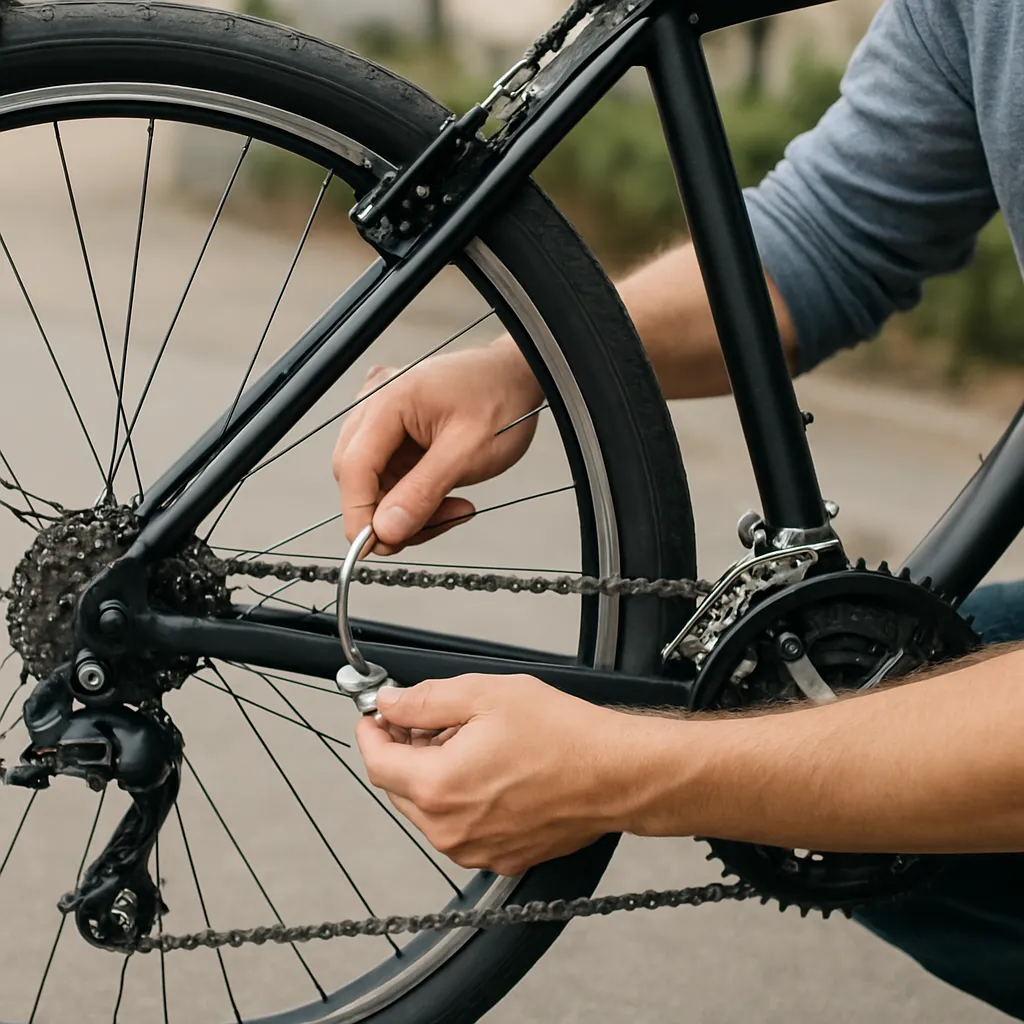
- Compact repair kit: spare tubes, multi-tool, pump, and chain lubricant.
- Lightweight tent or bivy sack, plus sleeping bag rated for desert nights.
- Navigation aids: GPS device, paper maps, and compass.
- First-aid kit with essentials for tropical and temperate injuries.
Quality gear reduces mechanical failures and provides peace of mind. Balancing weight with durability is an art; remember that every extra kilogram will be felt on long climbs and rough tracks.
Challenges on the Road
Pushing your boundaries is part of the allure of cycling through Africa, but it also brings a host of obstacles. Understanding these hurdles beforehand helps you develop mental and physical endurance while fostering innovation in problem-solving.
Harsh Climatic Conditions
Across the continent, you may ride through:
- Scorching deserts with daytime highs above 40°C and freezing nights.
- Equatorial rainforests with intense humidity and sudden downpours.
- Highland regions where altitude can lead to chilly dawns.
Managing hydration and nutrition becomes critical. Electrolyte supplements and energy-dense snacks such as nuts, dried fruits, and bars are indispensable for sustaining endurance.
Terrain and Road Quality
From paved highways to sandy tracks, Africa’s road surfaces vary dramatically. You will face:
- Loose gravel in Sahel zones requiring wider tires and careful handling.
- Deep sand in desert stretches demanding momentum and balance.
- Rocky mountain passes where tire punctures become more frequent.
Installing puncture-resistant tires and carrying a sturdy frame bag for tools can minimize downtime. When the going gets tough, focus on maintaining a steady cadence rather than pushing high gears.
Health and Safety Considerations
Staying healthy is paramount. Common concerns include:
- Malaria and other vector-borne diseases.
- Gastrointestinal infections from unfamiliar foods or water.
- Exposure to intense UV radiation and heat stroke.
Vaccinations, prophylactic medications, and a robust first-aid kit are non-negotiable. Additionally, acquiring travel insurance that covers medical evacuation provides an extra layer of security.
Rewards and Cultural Immersion
Despite the hurdles, cycling through Africa yields profound rewards. The journey fosters personal growth and a deeper connection to communities and ecosystems that few tourists ever experience.
Spectacular Landscapes and Wildlife
Each day on the road brings new vistas:
- Vast savannas where herds of elephants, giraffes, and wildebeests roam freely.
- Red-dirt tracks snaking through baobab forests at sunset.
- Mountain ridges offering panoramic views of lakes and valleys.
These scenes remind cyclists of the planet’s raw beauty and inspire a commitment to environmental stewardship and conservation.
Connecting with Local Communities
One of the most enriching aspects of this expedition is the chance to interact with diverse cultures. Encounters may include:
- Sharing meals with nomadic herders under star-filled skies.
- Participating in local festivals celebrating harvests or rites of passage.
- Supporting small craftspeople by purchasing handmade goods.
Such moments cultivate empathy and broaden your understanding of global heritage while forging lifelong friendships.
Personal Transformation and Achievement
Completing a transcontinental ride demands a blend of physical training, mental toughness, and adaptive thinking. Cyclists often report heightened self-awareness and a newfound appreciation for everyday comforts upon returning home. This adventure instills a deep sense of adventure and accomplishment that resonates long after the journey ends.
Documenting Your Expedition
Keeping a travel journal or blog offers dual benefits: preserving memories and inspiring future travelers. Key tips include:
- Updating daily entries with mileage, weather, and personal reflections.
- Capturing photographs of landscapes, faces, and culinary discoveries.
- Sharing logistical insights, such as border-crossing experiences or gear recommendations.
These records serve as a valuable resource for the cycling community and allow you to relive the highs and lows of your remarkable expedition.