Cycling is more than just a mode of transport—it’s a symbol of freedom, health, and sustainable mobility. Whether you’re commuting to work, exploring scenic trails, or simply running errands around town, understanding proper road etiquette can transform your ride from stressful to seamless. This guide will help every rider navigate streets with confidence, courtesy, and a keen sense of awareness.
Choosing the Right Gear
Before you even hit the pavement, outfitting yourself and your bicycle properly ensures both comfort and safety. Skipping essential components can lead to unnecessary hazards or an inefficient ride.
- Helmet Selection: Opt for one that meets recognized safety standards (CPSC, EN 1078). A snug fit—level on your head and low on the forehead—offers maximum protection in case of impact.
- Reflective Apparel: Bright jerseys or jackets with reflective strips boost visibility in low-light conditions, making you more noticeable to motorists, pedestrians, and other cyclists.
- Proper Footwear: Closed-toe shoes with good traction prevent slipping off pedals. Consider clipless shoes if you ride long distances to improve pedaling efficiency.
- Bike Lights and Reflectors:
- Front White Light: At least 200 lumens for city use, stronger if you often ride on unlit roads.
- Rear Red Light: Flashing modes draw attention to your position.
- Wheel Reflectors or Spoke Reflective Bands: Enhance side visibility at intersections.
- Comfort Accessories: Padded gloves reduce hand fatigue, while a well-fitted saddle helps maintain proper posture during extended rides.
Mastering Safe Riding Practices
Safe riding isn’t just about reacting to hazards; it’s about anticipating them. Cultivating good habits on wheels will keep you and others out of harm’s way.
Lane Positioning and Control
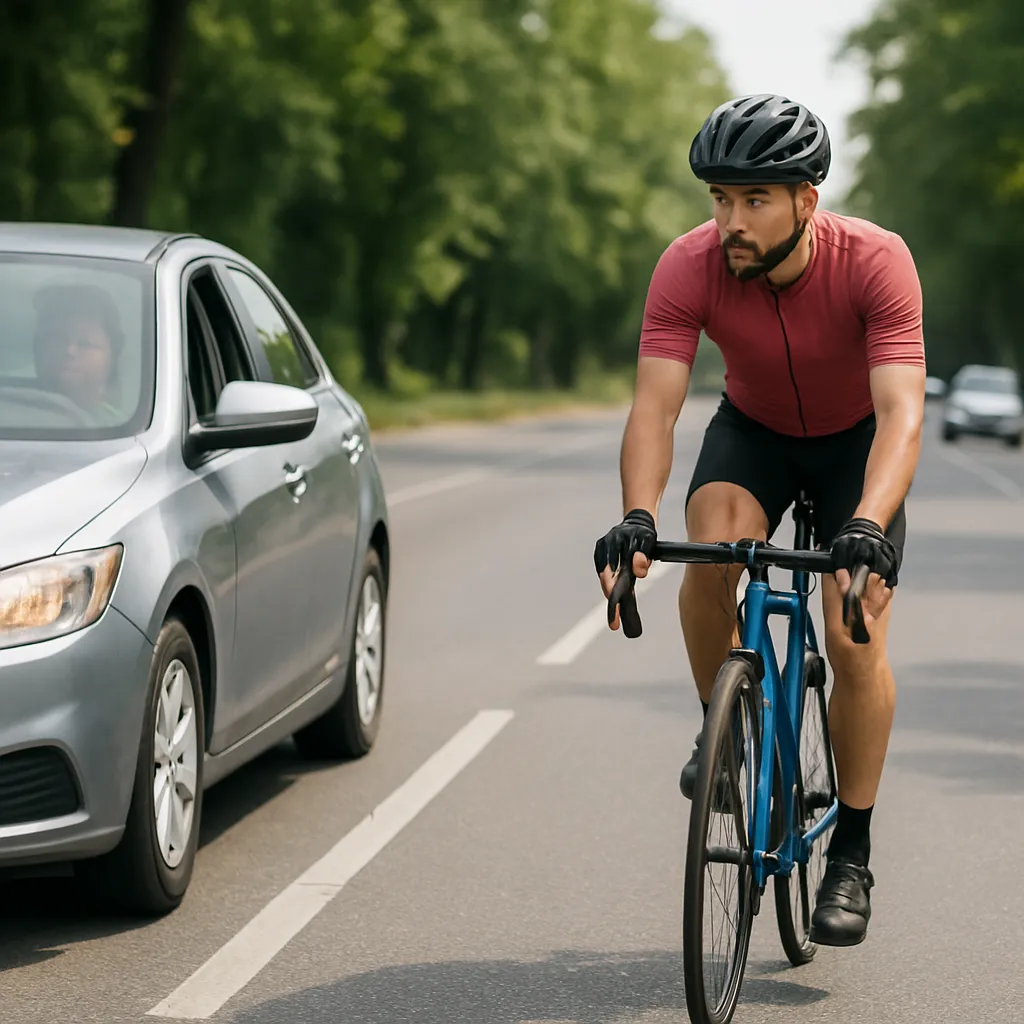
Share the lane—but often control it. Riding too close to parked cars invites “dooring” incidents, while hugging the curb forces vehicles to overtake dangerously. Instead, adopt a “primary riding position” about one meter from the curb, asserting your presence and dissuading unsafe passes.
- Maintain Steady Speed: Sudden braking or swerving can confuse motorists behind you.
- Avoid “Sidewalk Riding”: Pedestrians have right of way, and unpredictable foot traffic increases collision risk.
- Pass with Care: When overtaking slower cyclists or joggers, call out “On your left” at least a second before you swing wide.
Obeying Traffic Laws
Cyclists are riders, not pedestrians. Observing traffic signals, stopping at red lights, and using designated bike lanes replicate the expectations placed on motor vehicles. This mutual compliance fosters predictability in traffic flow.
- Signal Intentions: Extend your arm steadily at least two seconds before turning or changing lanes. This gives drivers time to react.
- Yield to Pedestrians: Always stop for crosswalk users and school zones, even if cyclists have a perceived right of way.
- Observe Speed Limits: In bike-friendly zones, speed restrictions apply to all road users.
Communicating on the Road
Effective communication reduces misunderstandings. Whether through gestures, eye contact, or audible signals, let others know your next move.
- Hand Signals:
- Left Turn: Left arm extended straight out.
- Right Turn: Left arm bent upward at 90°, or right arm extended straight.
- Stop or Slow: Left arm bent downward at 90°.
- Making Eye Contact: A quick glance toward a driver’s side mirror or window confirms they’ve seen you.
- Use a Bell or Horn: A gentle ring warns pedestrians on multiuse paths without startling them.
In group rides, maintain a smooth line, call out hazards like “Gravel” or “Hole,” and keep verbal cues concise. Cooperative riding strengthens trust among all road users.
Respecting Other Road Users
Any journey on two wheels involves countless interactions. Courteous conduct paves the way for mutual respect.
- Avoid Sudden Moves: Abrupt lane changes or stops can lead to rear-end collisions.
- Give Space to Motorists: When pulled over, avoid swerving into traffic; decelerate gradually and signal your intentions.
- Share Multiuse Paths Mindfully: Slow to walking pace when passing families or groups, and announce your approach well in advance.
- Help Others: If you witness a fellow cyclist in distress—flat tire, chain derailment—offer basic tools or assistance if you can.
Handling Emergency Situations
Even the most prepared rider can encounter mechanical failures or sudden road hazards. Staying calm and reacting methodically minimizes potential injuries.
- Flat Tires: Learn the quick-release technique and carry a spare tube, tire lever, and mini-pump or CO₂ inflator.
- Brake Failures: Feather your remaining brake gently, employ friction against the road surface by downshifting to a lower gear and dragging your feet if safe to do so.
- Accident Response:
- Move Off the Road: After any collision, get yourself and your bike to a safe area.
- Assess Injuries: Check for bleeding, fractures, or head trauma. Call emergency services if necessary.
- Exchange Information: If another party is involved, note down vehicle plate numbers, insurance details, and witness contacts.
- Road Hazards: Keep an eye out for potholes, oil slicks, and debris. Swerve only when safe and signal the obstruction to those behind you.
Leveraging Cycling Infrastructure
Many cities invest in bike lanes, greenways, and secure parking. Understanding how to use these facilities correctly benefits everyone.
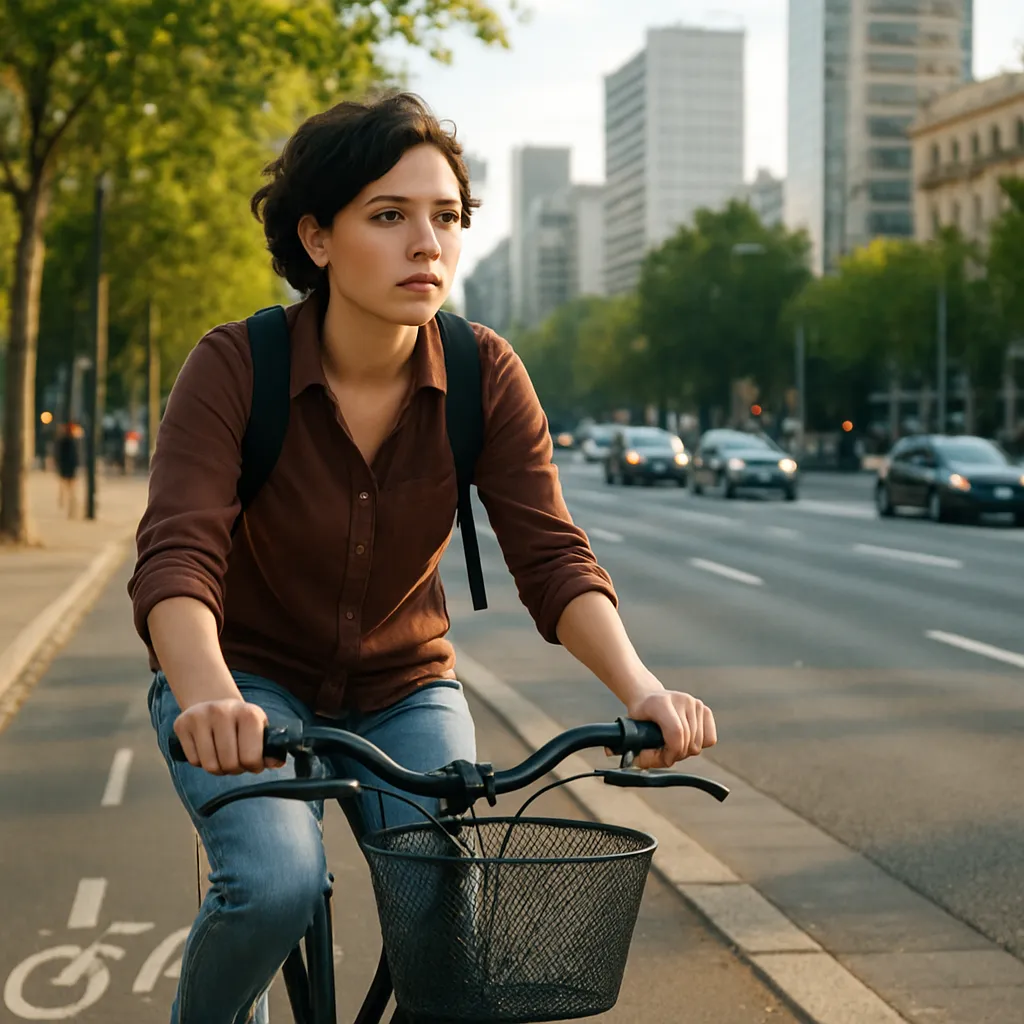
- Buffered Bike Lanes: Stay within the painted area; do not park or loom at intersections where turning vehicles could cut you off.
- Protected Intersections: Position yourself in the bicycle box at traffic signals to start ahead of cars and gain visibility.
- Bike Parking Racks: Lock both frame and wheel with a sturdy U-lock or heavy-duty chain, securing to immovable racks.
- Wayfinding Signage: Follow painted arrows and lane markers for seamless navigation of complex junctions and trail networks.