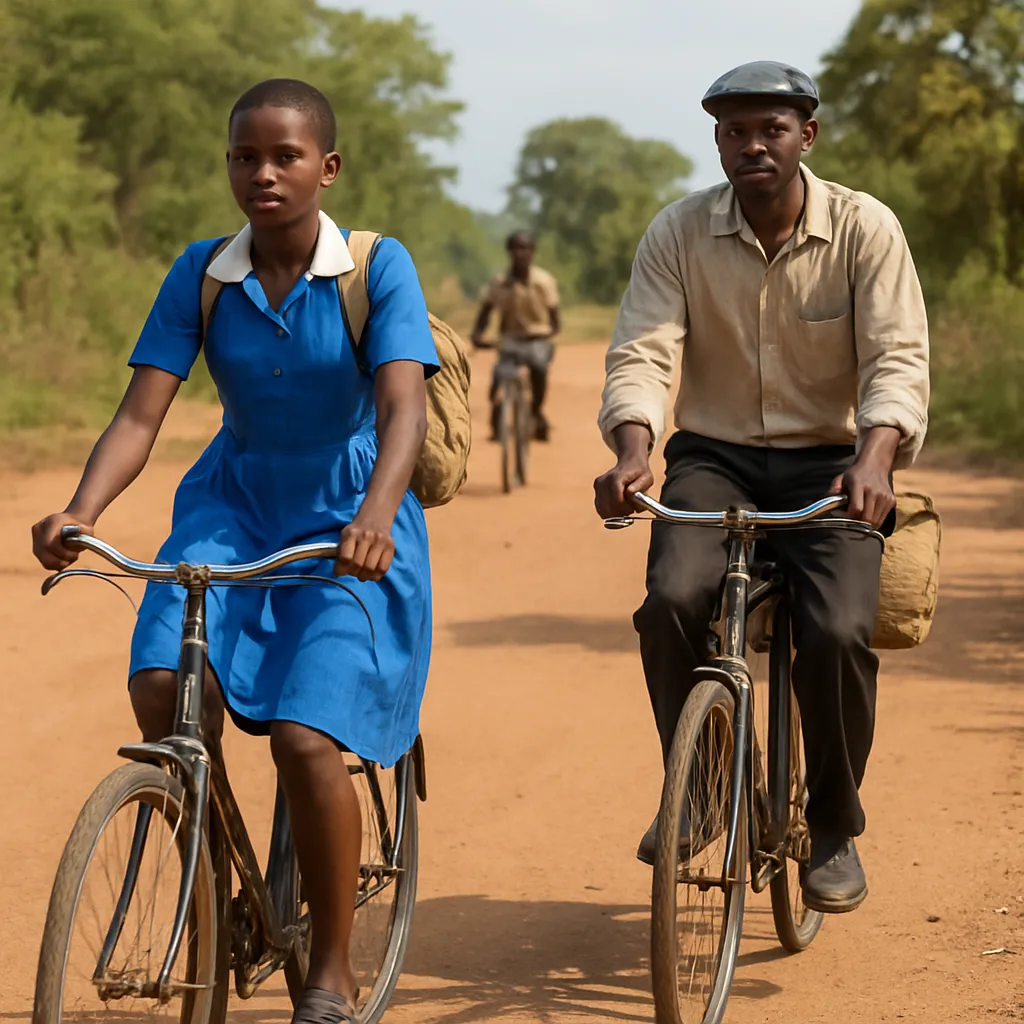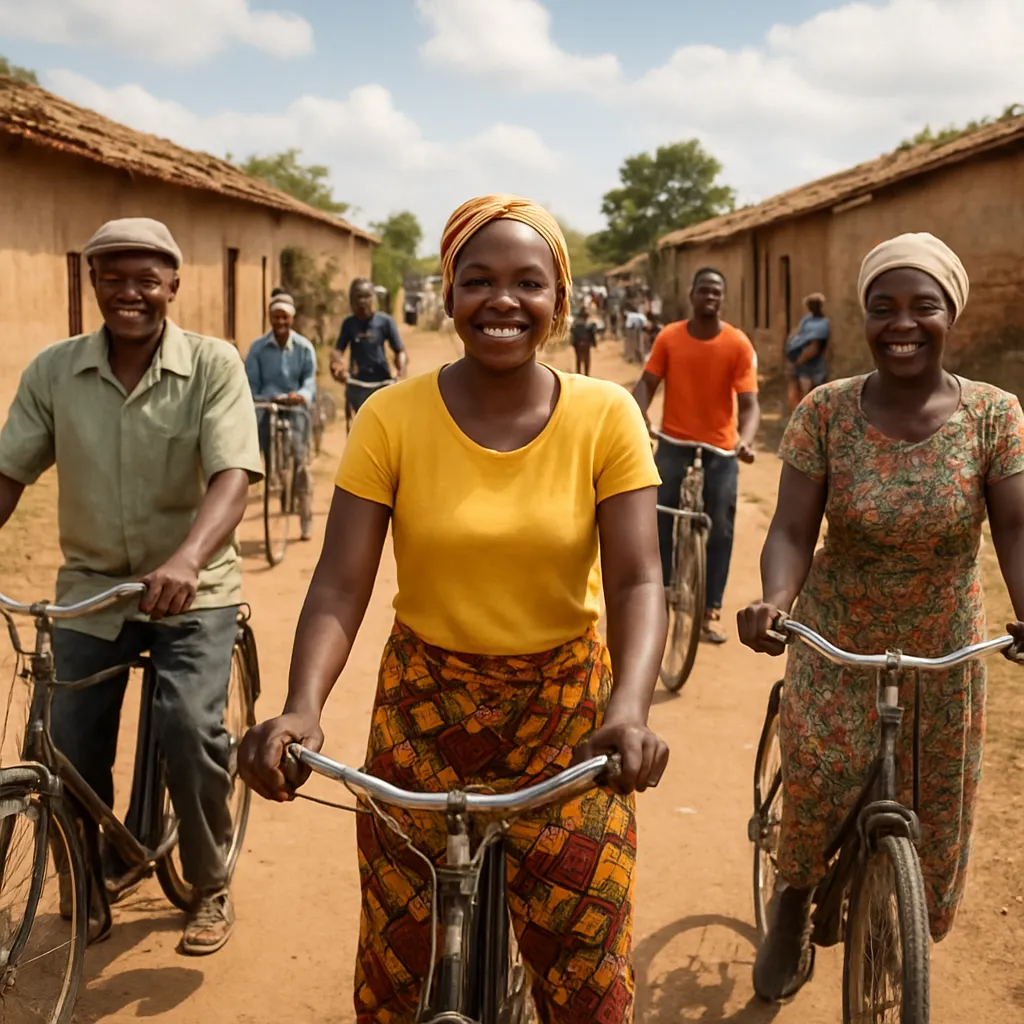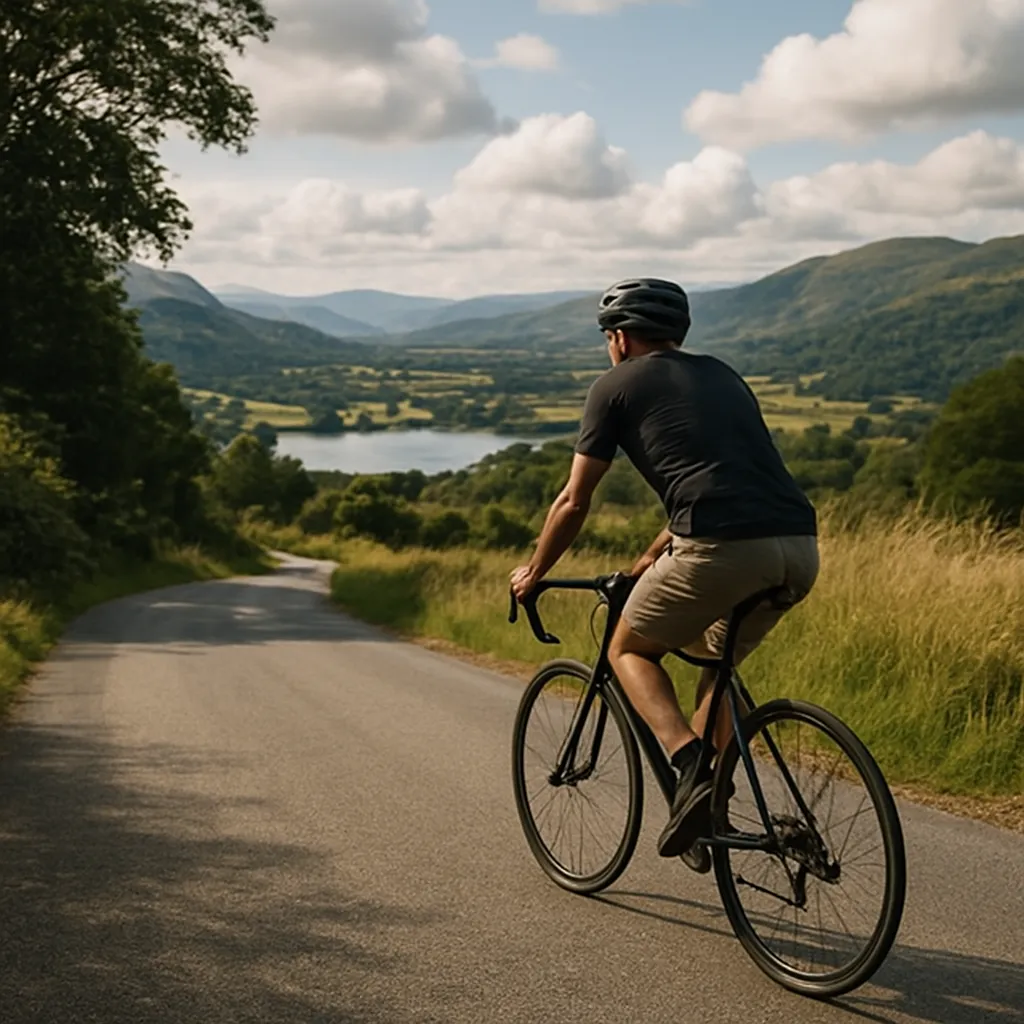
Cycling is more than simply pedaling from one point to another; it is a journey that reshapes how you interact with your environment, fuels personal growth, and fosters a deep connection with the planet and its people. Whether you embark on daily commutes, weekend adventures, or epic cross-country expeditions, this two-wheeled machine offers an unparalleled sense of freedom while challenging your body, mind, and spirit.
History and Innovation of the Bicycle
The bicycle’s evolution over two centuries reflects a story of human ingenuity and continuous innovation. From Karl Drais’s wooden dandy horse in 1817 to today’s ultralight carbon-fiber frames, each milestone has redefined what it means to travel under your own power.
Early Developments
Originally conceived to address animal-free transport, the early velocipedes lacked pedals and relied on riders pushing along the ground. By the 1860s, pedals attached to the front wheel transformed it into a true bicycle, known as the “boneshaker” due to its iron-rimmed wooden wheels. This sparked a cultural revolution across Europe and North America.
Golden Age and Safety Innovations
During the 1870s and 1880s, the high-wheeler or penny-farthing became the symbol of status and daring. Its large front wheel offered greater speed but came with high risk. The invention of the “safety bicycle” in the late 1880s—featuring equal-sized wheels, chain drive, and pneumatic tires—ushered in mass adoption, allowing the bicycle to become a fixture of everyday life.
Modern Materials and Design
Today’s bicycles benefit from advanced metallurgy, composites, and aerodynamic design. From carbon frames that weigh under a kilogram to disc brakes that deliver powerful, reliable stopping power, these technical strides enable cyclists to push boundaries of speed, comfort, and endurance.
Health and Well-Being Benefits
Cycling delivers profound impacts on physical, mental, and emotional health. Regular rides strengthen muscles, improve cardiovascular fitness, and enhance coordination—outsized benefits compared to many other forms of exercise.
- Cardio Strength: Low-impact yet highly effective workouts boost heart health and lung capacity.
- Muscle Tone: Legs, core, and even upper-body muscles engage to maintain balance and handlebar control.
- Joint Friendly: Smooth pedaling protects joints from stress, making cycling accessible for a wide age range.
Beyond the physical, cyclists often experience heightened mental clarity. The rhythmic motion and open-air environment can reduce stress hormones, foster creativity, and improve mood by releasing endorphins. Long rides allow for mindful reflection, calming the mind and offering a reprieve from daily pressures.
Sustainable Transportation and Environmental Impact
In an era of climate concerns and urban congestion, bicycles stand out as a beacon of sustainability. Each trip replaces potential carbon emissions with clean, human-powered energy.
- Zero Emissions: No fossil fuels are burned during a ride, reducing greenhouse gases and air pollutants.
- Less Traffic: Bikes occupy less space on the road, alleviating congestion and noise.
- Reduced Infrastructure Costs: Bike lanes and paths cost a fraction of road or rail construction, encouraging local governments to invest more in active transport.
Communities around the world are embracing cycling networks, bike-share programs, and protected lanes. This shift not only lowers urban carbon footprints but also revives public spaces, turning once-vehicle-dominated streets into safer, more vibrant corridors for pedestrians and cyclists alike.
Cultural Exchange and Community Building
Riding a bicycle opens doors to authentic cultural experiences. From village roads in Southeast Asia to European cycling tours, the pace of a ride invites more genuine interactions than speeding past in a car.
Local Encounters
On two wheels, you can stop indefinitely—chat with farmers, discover hidden cafes, or explore local markets. These spontaneous connections build empathy, broaden worldviews, and spark a sense of shared humanity.
Global Networks
Bike tourists often join online communities to share routes, tips, and stories. Clubs and group rides unite people of diverse backgrounds under a community banner. Events like Gran Fondos and charity rides bring thousands together, fostering camaraderie and collective purpose.
Personal Growth and Shifting Perspectives
Beyond fitness and transportation, cycling catalyzes profound personal transformations. Long-distance rides test resilience, fostering self-confidence and a deeper understanding of one’s capabilities.
- Goal Setting: Training for a century ride or multi-day tour instills discipline, planning skills, and the grit to overcome setbacks.
- Mindfulness: Navigating changing terrain and weather conditions demands full presence, heightening awareness of each moment.
- Exploration: Every route offers new scenery, wildlife encounters, and unexpected detours, fueling a sense of adventure.
Perhaps most importantly, cycling can transform how you view everyday life. Small hills once seemed daunting until conquered through persistence. Steady pedaling through a storm reveals that discomfort is temporary and surmountable. These lessons carry over into careers, relationships, and personal challenges.
Future Trends and Innovations
The future of cycling brims with exciting developments. Electric-assist bikes democratize the sport, allowing riders of varied fitness levels to tackle hilly terrain and longer distances. Smart-bike technology integrates GPS, real-time diagnostics, and connectivity, creating safer, more informed rides.
Virtual Training and Community Platforms
Indoor cycling platforms now let riders compete globally in virtual environments, combining fitness with gaming and social interaction. Apps track performance metrics, suggest personalized training plans, and connect you with fellow enthusiasts for group rides—even when you’re continents apart.
Green Urban Mobility
City planners increasingly prioritize cycling infrastructure, designing “complete streets” that balance cars, bicycles, and pedestrians. Bike boulevards, secure parking, and traffic-calming measures encourage more people to choose two wheels over four.
Embracing the Cycling Mindset
Cycling is not merely a mode of transport or a hobby; it is a lens through which the world becomes richer, more accessible, and deeply interconnected. As you conquer new routes, engage with diverse communities, and push your personal limits, you gain insights that transcend the saddle.
Whether you’re seeking health improvements, environmental stewardship, cultural immersion, or simply a fresh perspective, the bicycle offers a universal key. By embracing every turn of the pedal, you cultivate resilience, foster empathy, and discover that the world is far larger—and more welcoming—than you ever imagined.