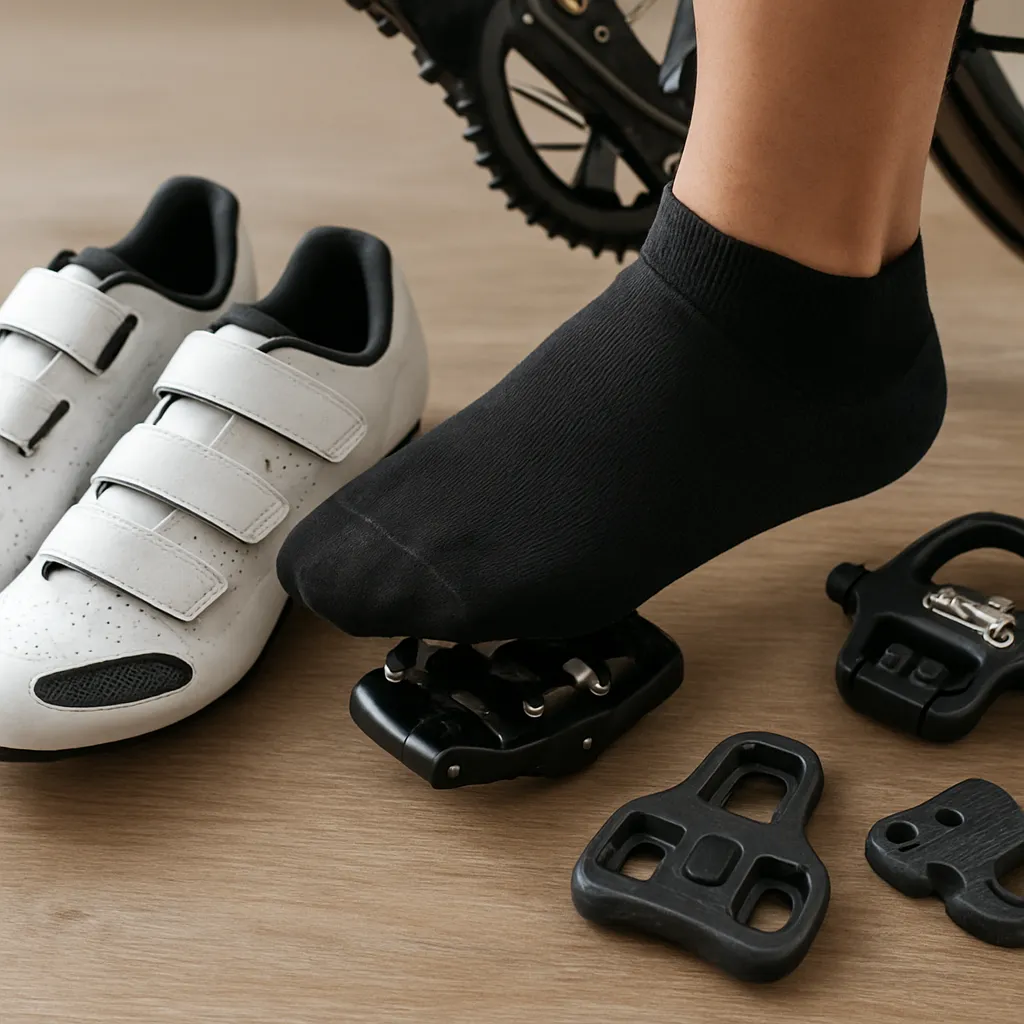
Choosing the right combination of bike shoes and pedals can dramatically improve your riding experience. Properly matched footwear and pedal systems enhance comfort, maximize efficiency, and boost overall performance. Whether you’re a weekend cruiser or a seasoned racer, understanding different options and knowing what to look for will ensure you get the most out of every ride.
Understanding Bike Shoe and Pedal Types
Before diving into specifics, it’s important to recognize the various shoe and pedal categories available. Each system offers unique advantages depending on riding style, terrain, and personal preference.
Flat Pedals and Casual Shoes
Flat pedals paired with casual or skate-style shoes are ideal for commuters and beginners. They provide a secure platform without specialized cleats, allowing quick foot release and easy walking off the bike. Look for shoes with traction-enhancing rubber soles and a reinforced toe area for extra protection and durability.
Clipless Road Pedals and Shoes
Contrary to their name, clipless pedals actually require shoes with cleats that “clip” into the pedal mechanism. Road-specific systems like Shimano SPD-SL or Look Keo deliver an exceptionally stiffness platform and unrivaled power transfer. These shoes often feature carbon or composite soles to reduce energy loss, but they can be less walkable due to protruding cleats.
Clipless Mountain Pedals and Shoes
MTB systems such as Shimano SPD or Crankbrothers Eggbeater allow for easy entry and release on rough trails. The recessed cleat design offers everyday walkability and mud clearance. Soles might be stiffer than casual shoes but more flexible than road models, striking a balance for off-bike comfort and on-bike control.
Key Features to Look For
Once you’ve identified the general categories, focus on specific features that align with your riding needs. A good pair of shoes and pedals can make a noticeable difference in power delivery, foot stability, and overall satisfaction.
- Fit and Sizing: Proper fit is non-negotiable. Shoes that are too tight cause hotspots and numbness, while loose shoes compromise stability. Consult manufacturer sizing charts and consider heat-moldable options for a custom fit.
- Material and Construction: Premium shoes often use carbon soles and synthetic upper materials for weight savings and durability. Look for reinforced areas around the toe box and heel to prevent premature wear.
- Adjustability: Micro-adjustable buckles, BOA dials, or velcro straps ensure a precise, snug fit. Multiple closure zones allow you to fine-tune tension across the forefoot and instep.
- Cleat Compatibility: Ensure your pedals and shoes share the same mounting pattern. Most road shoes use a 3-bolt interface, whereas mountain shoes typically employ a 2-bolt standard.
- Pedal Platform Size: Larger platforms distribute pressure evenly, increasing comfort on long rides. Smaller platforms favor frequent foot repositioning and may feel lighter on technical trails.
- Durability: Pedal bodies made from chromoly steel or aluminum stand up better to impacts and wear. Shoes with water-resistant coatings or seamless uppers hold up well in varied weather conditions.
- Safety Features: Some pedals include reflectors or bright colors for enhanced visibility during low-light conditions. Shoes should have grippy tread patterns to reduce the risk of slipping when walking.
Tips for Selecting and Matching
Selecting the perfect pair comes down to matching your riding goals with product features. Consider these practical tips:
Define Your Riding Style
Assess whether you prioritize speed and efficiency (road cycling), technical control (mountain biking), or versatility (commuting and touring). Road cyclists will favor ultra-stiff soles, while MTB and city riders benefit from more flexible, grippy options.
Test for Comfort and Performance
Whenever possible, demo shoes and pedals at your local bike shop. Clip in and out repeatedly to gauge ease of entry and release. Pay attention to any pressure points when standing, pedaling seated, or climbing out of the saddle.
Balance Weight and Stiffness
Lighter shoes and pedals reduce rotating mass and can improve acceleration. However, excessively light designs may sacrifice durability. Aim for a balanced combination that offers enough stiffness for power without compromising resilience.
Consider Versatility
If you multitask between trail and road, look into adaptable systems like dual-sided pedals (one flat side, one clipless side). Alternatively, swap cleats on the go to suit different terrain types without changing shoes.
Maintenance and Adjustment
Proper upkeep extends the lifespan of both shoes and pedals, ensuring consistent compatibility and performance.
Cleaning and Inspection
After muddy rides, remove shoes and pedals from the bike and rinse off debris. Inspect pedal bearings, cleat bolts, and shoe soles for wear. Lubricate moving parts with a light, waterproof grease.
Tightening and Replacement
Regularly check pedal spindle torque to prevent loosening. Replace cleats once engagement becomes unreliable or if release tension doesn’t adjust properly. Most cleats last several hundred hours but vary by riding conditions.
Adjusting Float and Tension
Fine-tune the float (lateral movement) on SPD and Look systems to reduce knee stress and avoid unintended release. Set tension levels so that you can confidently stay clipped in under hard efforts but still exit safely in emergencies.
Storing Shoes
Store shoes in a dry, ventilated area away from direct sunlight. Avoid compressing the uppers with heavy objects to maintain shape. Refresh insoles periodically to combat odor and retain proper arch support.
Investing in the Right Combination
Spending a bit more on quality shoes and pedals pays dividends in ride enjoyment and injury prevention. Focus on systems that offer the right balance of power transfer, comfort, and durability. With thoughtful selection and proper care, you’ll unlock the full potential of your bike, transforming every pedal stroke into a more efficient and enjoyable experience.