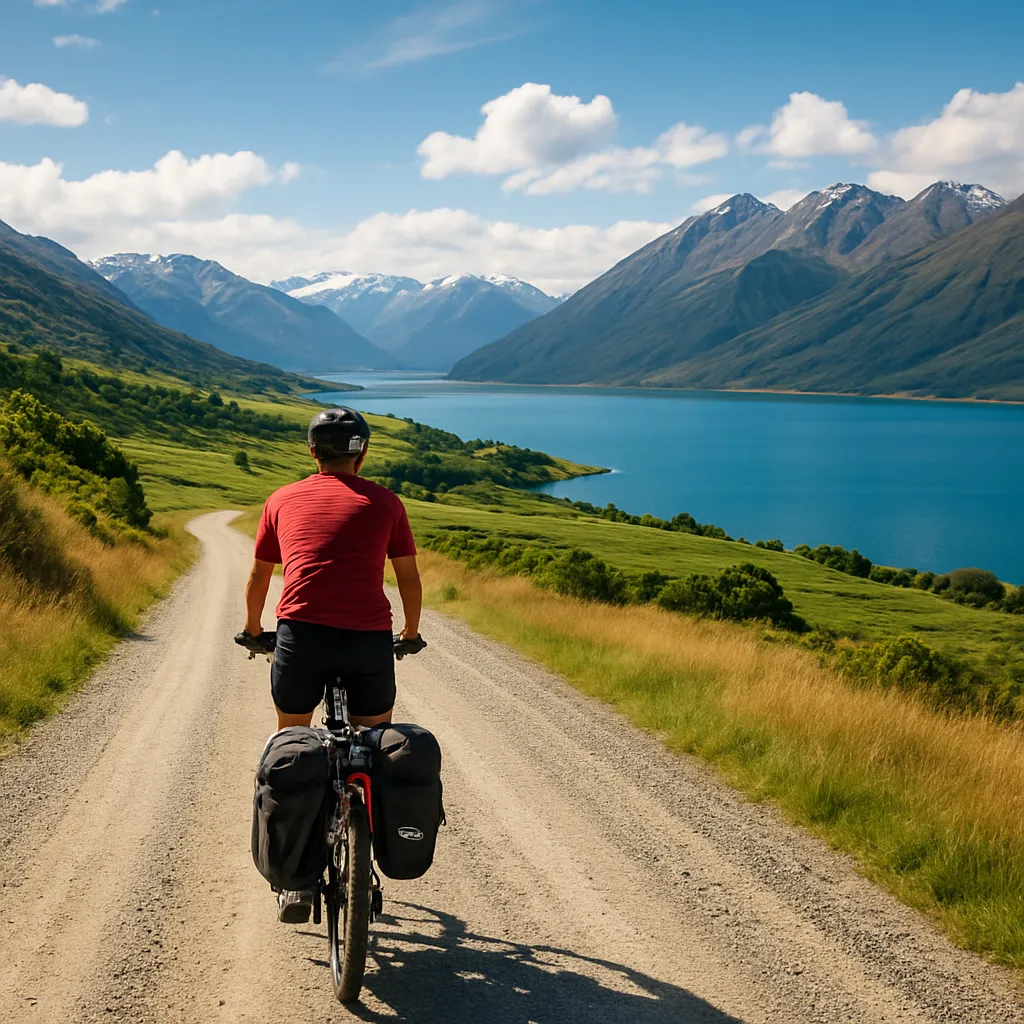
Embarking on a cycling journey across New Zealand is more than a simple ride; it’s a testament to human endurance and a celebration of exploration. From the windswept coastlines of the North Island to the rugged mountain passes of the South, every pedal stroke introduces you to breathtaking vistas and unique cultural encounters. This guide delves into essential aspects of planning, equipment, training, and environmental stewardship to ensure your trip remains a cherished adventure.
Choosing the Right Bicycle and Equipment
Selecting an ideal bicycle is the cornerstone of any successful tour. While mountain bikes handle off-road terrain well, dedicated touring or gravel bikes offer a balanced blend of comfort and load-bearing capacity. Look for a frame material—steel, aluminum, or carbon—that aligns with your weight, riding style, and budget. Key components include:
- Gear ratios: Ensure a wide-range cassette to tackle steep ascents.
- Sturdy racks and waterproof panniers: Keep your luggage organized and dry.
- Wide, puncture-resistant tires: Balance speed with durability.
- Robust lighting system: Front and rear lights rated for multiple hours.
- Comfortable saddle and ergonomic handlebars: Reduce fatigue on long days.
Don’t forget essential accessories like a compact maintenance toolkit, spare tubes, multi-tool, pump, and a reliable lock. Packing smartly will lighten your load and help maintain momentum on rolling hills.
Planning Your Route Through Scenic Landscapes
New Zealand boasts a network of certified Great Rides that slice through national parks, vineyards, and hidden valleys. Combining these trails with sections of quiet backroads gives you a taste of both scenic beauty and rural charm. When plotting your itinerary, consider:
- Daily distance targets: Aim for 60–80 km on mixed terrain, adjusting for fitness and elevation.
- Rest days: Schedule leisure time in towns like Queenstown or Rotorua for hot springs and local gastronomy.
- Accommodation options: From DOC campsites to boutique lodges, book ahead in peak season.
- Navigation tools: Carry paper maps as backup to your GPS device.
Consult online forums and cycle-specific guidebooks to uncover lesser-known detours. This ensures each day brings fresh chapters of discovery rather than repeating crowded stretches.
Training and Preparation for Endurance Cycling
Building a solid fitness base is crucial before embarking on a multi-week tour. Follow a structured training plan emphasizing:
- Long rides: Gradually increase distance until you comfortably cover back-to-back 100 km days.
- Interval sessions: Boost cardiovascular capacity with hill repeats and tempo efforts.
- Strength training: Incorporate core exercises and leg presses to prevent injury.
- Flexibility work: Stretch hips, quads, and lower back to combat stiffness.
Equally important is mental conditioning. Simulate pack weight during weekend outings, and practice coping strategies for unpredictable weather. As your physique adapts, your confidence and resilience will flourish, making remote sections feel approachable rather than daunting.
Nutrition and Hydration on the Road
Effective nutrition fuels each pedal stroke and supports recovery after strenuous efforts. Aim for a balanced diet rich in carbohydrates, proteins, and healthy fats. Key recommendations include:
- Caloric intake: Consume 300–500 calories per hour of riding, depending on intensity.
- Portable snacks: Trail mix, energy bars, dried fruits, and electrolyte tablets.
- Camp cooking: Lightweight stove, instant rice or pasta packets, dehydrated meals.
- Hydration strategy: Refill at potable springs or town water points; carry a water filter for peace of mind.
Monitor signs of dehydration or electrolyte imbalance—cramps, excessive fatigue, dizziness—and adjust your fluid and salt intake accordingly. Proper nourishment transforms long days into manageable and even enjoyable challenges.
Safety, Maintenance, and Emergency Preparedness
Riding through remote landscapes demands vigilance and a proactive approach to maintenance. Implement these safety measures:
- Routine checks: Inspect brake pads, spokes, chain tension, and tire pressure each morning.
- First aid kit: Include blister care, antiseptic wipes, bandages, and pain relief.
- Weather readiness: Pack waterproof layers, gloves, and a windbreaker—New Zealand’s climate can shift rapidly.
- Communication devices: Satellite messenger or a local SIM card for digital maps and emergency calls.
In case of mechanical failure, basic repairs like patching a tube or adjusting derailleur limits can save your day. Familiarize yourself with each component of your bike before departure, transforming unforeseen breakdowns into routine pit stops.
Embracing Local Culture and Protecting the Environment
Beyond the physical challenge, cycling across New Zealand offers a window into its rich Maori heritage and tight-knit rural communities. Show respect by:
- Visiting marae (meeting grounds) with prior permission and proper etiquette.
- Supporting local businesses: cafes, artisan markets, and family-run accommodations.
- Observing ‘Leave No Trace’ principles: minimize waste, avoid wildlife disturbance, and pack out all rubbish.
A commitment to sustainability ensures that the pristine trails and vibrant ecosystems remain intact for future generations of riders. Engaging with locals fosters a genuine community spirit, turning strangers into friends and simple rides into unforgettable stories.