The humble bicycle has transcended its original function to become a global icon of freedom, health, and environmental stewardship. From cobblestone streets to ultramodern velodromes, the evolution of two wheels has left an indelible mark on societies worldwide. Its seamless blend of innovation and tradition continues to inspire engineers, athletes, and casual riders alike, forging a path toward greener cities and more active lifestyles.
History and Evolution
The genesis of the bicycle dates back to the early 19th century, when inventors experimented with rudimentary wooden frames and cranks. Karl Drais’s Laufmaschine of 1817, often dubbed the “dandy horse,” set the stage for a transportation revolution that would ripple across continents. By the 1860s, French machinists introduced pedals and a chain drive, heralding the arrival of the velocipede. Riders marveled at newfound mobility on these clattering iron steeds.
From High Wheels to Safety Bikes
In the 1870s and 1880s, the penny-farthing dominated urban landscapes. Its giant front wheel promised speed but demanded skill and courage. A fall from that height could be catastrophic. The breakthrough came with the “safety bicycle,” featuring two matched wheels and a rear-driven chain. Suddenly, cycling became accessible and sustainable as a mode of transport. Women and children joined the ranks of enthusiasts, reshaping social norms.
The Golden Age and Beyond
The turn of the 20th century ushered in mass production. Brands competed fiercely, refining materials and accessories. Enthusiasts formed clubs and organized long-distance races. By mid-century, lightweight steel frames and multi-geared hubs revolutionized long-haul touring. Iconic models such as the Raleigh Roadster and the Schwinn Paramount carved their places in history.
Technology and Design
Modern bicycles represent a synthesis of materials science, aerodynamics, and ergonomic engineering. Designers scrutinize every angle, tube junction, and bearing seal to boost performance and reduce drag. Today’s racing machines can trace their lineage to wind-tunnel research and data-driven optimization.
Frame Materials
- Steel: Celebrated for its durability and ride quality, steel alloy frames remain popular among touring cyclists.
- Aluminum: Striking a balance between weight and cost, aluminum gained prominence in the 1980s and 1990s.
- Carbon Fiber: The ultimate in lightweight strength, carbon composites allow for precisely shaped tubes and vibration damping.
- Titanium: Known for corrosion resistance and a springy feel, titanium frames command a premium price.
Drivetrain and Braking Systems
Advances in gearing systems have transformed pedaling efficiency. Electronic shifting, introduced in the early 21st century, ensures lightning-fast gear changes with minimal effort. Brake technology, too, has evolved from rim calipers to powerful hydraulic disc systems, offering consistent stopping power in wet or muddy conditions.
Aerodynamics and Ergonomics
Time trial and triathlon bikes feature aggressive geometries and deep-section wheels to slice through wind. Specialized handlebars, integrated cockpits, and adjustable fore-aft saddle positions optimize rider posture. These refinements not only enhance efficiency but also reduce fatigue over grueling distances.
Cycling Culture and Future Trends
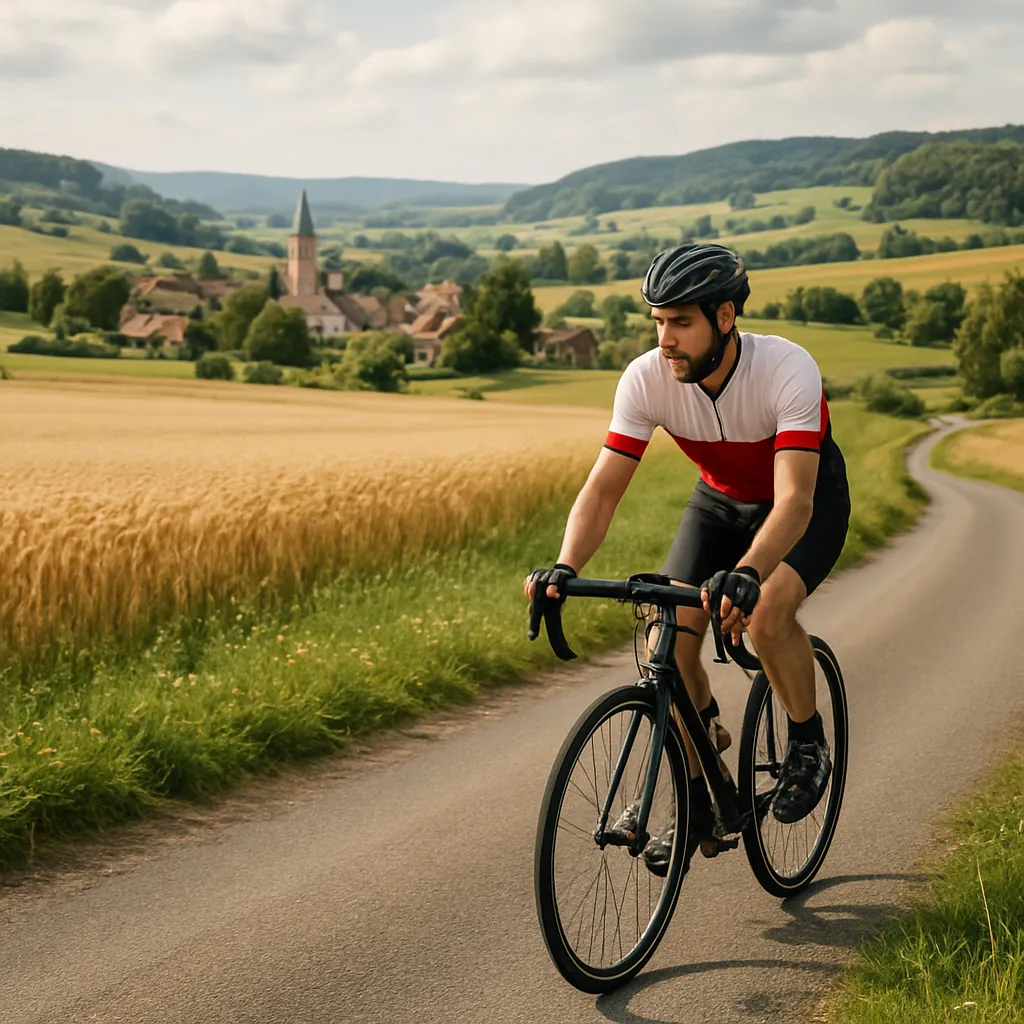
The bicycle is more than a machine; it has spawned a vast global community united by a passion for exploration and self-reliance. From Sunday leisure rides to elite competitions, cycling fosters camaraderie across diverse backgrounds.
Racing and Competitive Spirit
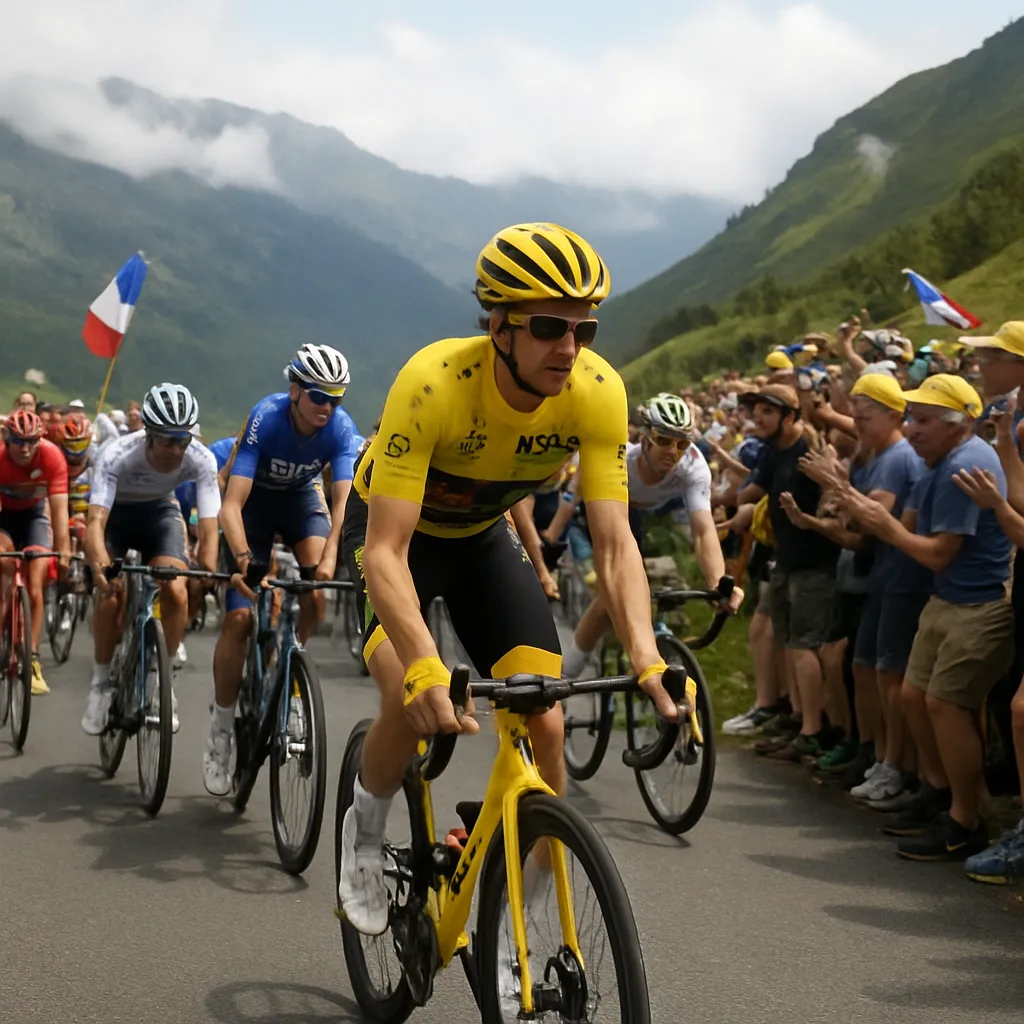
The pinnacle of road cycling, events like the grand tours and one-day classics captivate millions. Riders push the limits of endurance, relying on precise teamwork and strategy. Mountain biking and cyclocross, meanwhile, offer off-road thrills, combining technical skill with raw power.
Urban Mobility and Bike Sharing
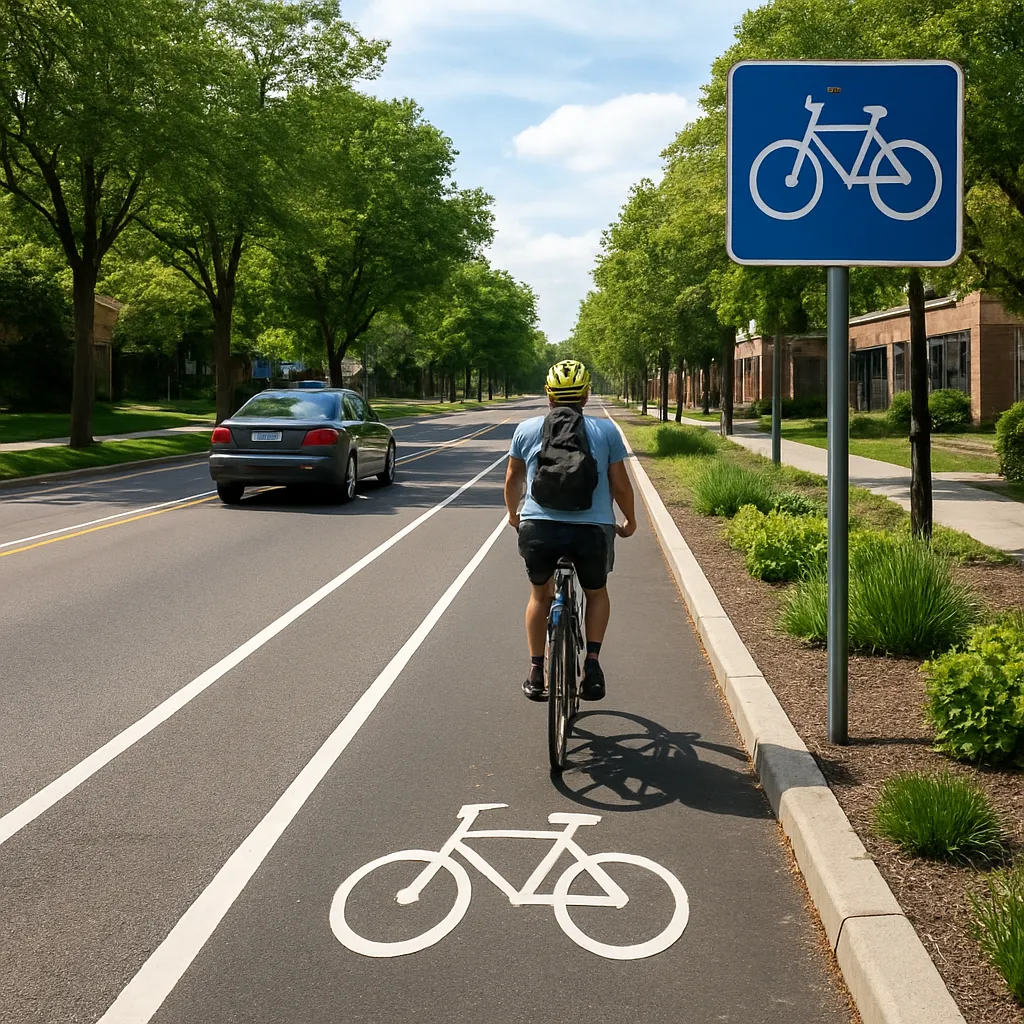
Cities worldwide embrace cycling as an antidote to congestion and pollution. Protected lanes and traffic-calmed zones encourage commuters to swap four wheels for two. Bike-sharing networks, equipped with GPS-enabled docks and mobile apps, deliver on-demand mobility that complements public transit.
Electric Bicycles and Advances
The surge of e-bikes has redefined daily commuting and leisure rides. Integrated motors and smart battery management systems provide pedal assistance that makes hills feel flat and distances shrink. As battery technology improves, riders can expect longer ranges and faster recharge cycles—ushering in a new era of adventure and connectivity.
Sustainability and Environmental Impact
With a minimal carbon footprint compared to motor vehicles, bicycles play a critical role in global efforts to mitigate climate change. Urban planners increasingly incorporate cycling infrastructure into sustainable development schemes, promoting healthy lifestyles while reducing noise and air pollution. Such initiatives underscore the bicycle’s status as a symbol of technology harnessed for ecological benefit.
The Road Ahead
Emerging concepts like airless tires, smart sensors that monitor tire pressure and fatigue levels, and adaptive frame materials hint at a future where bicycles become even more personalized. Crowdsourced route platforms and virtual training environments are enhancing the way riders prepare for challenges. As innovation continues apace, the ethos of exploration, freedom, and self-propulsion will remain at the heart of cycling’s enduring appeal.