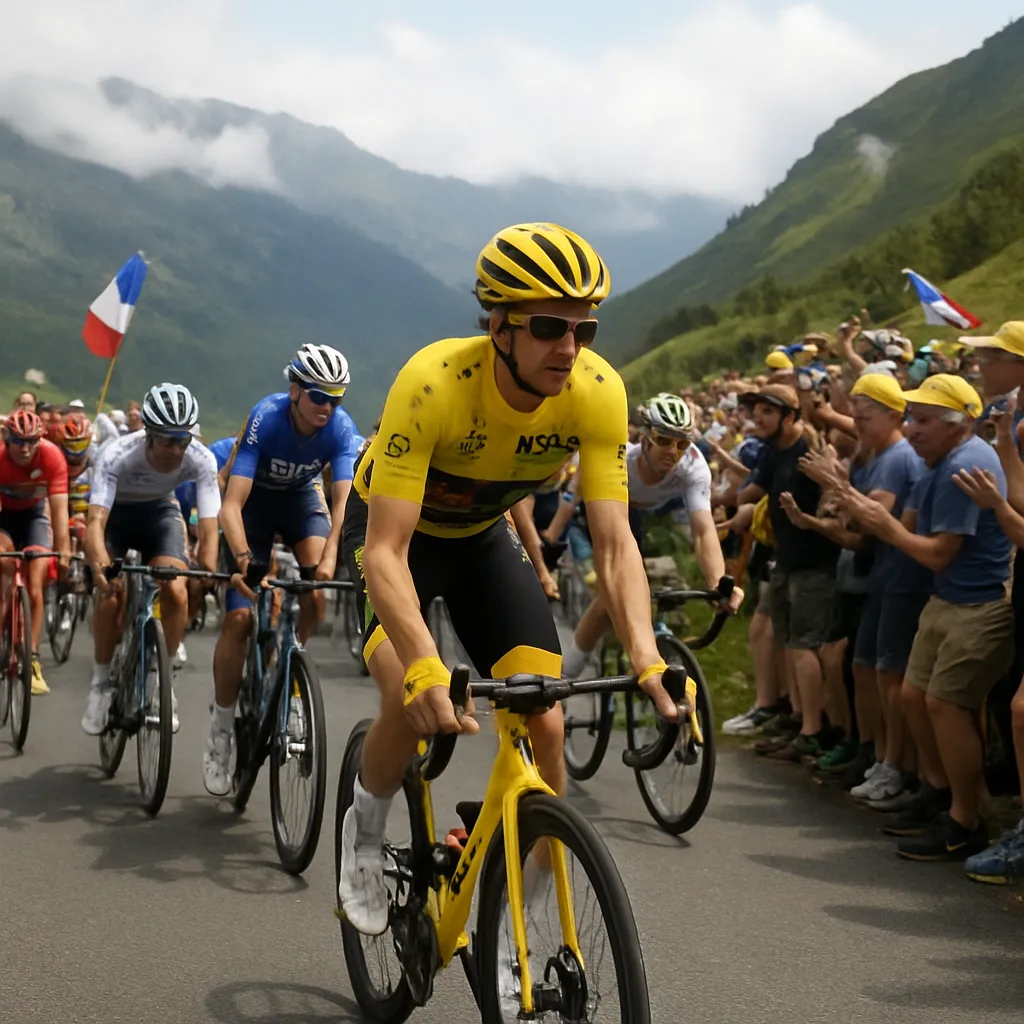
Life often feels like a juggling act between the demands of work, personal relationships, and personal interests. When cycling becomes your passion, weaving it into a hectic schedule can feel like solving a complex puzzle. Bicycles not only provide a means of transport but also foster resilience, boost endurance, and support overall well-being. By applying practical tactics, you can maintain a thriving career, nurture meaningful connections, and still hit the road for exhilarating rides.
Balancing Your Schedule with Cycling
Integrating cycling into a busy life starts with acknowledging your priorities. Identify windows of opportunity early in the week—perhaps before work, during lunch hours, or on weekends—and mark them as non-negotiable. Treat these blocks with the same respect you give to important meetings or family engagements. Doing so creates a clear boundary between your professional obligations and personal passion.
A simple tactic involves building micro-routines: a quick 15-minute spin around the neighborhood before starting work or a brief cycling commute instead of driving. These micro-sessions serve as mental resets, boosting daily productivity. When you know that a ride awaits, it’s easier to tackle tasks with greater focus and reduced stress.
Communicate your cycling commitments with those around you. Letting colleagues and loved ones know when you’ll be unavailable cultivates mutual respect. It also sets proper expectations and decreases last-minute interruptions. Over time, this transparency reinforces your dedication to both career and active lifestyle.
Effective Time Management Strategies
Mastering time management is pivotal for anyone seeking to thrive professionally without sacrificing their cycling goals. Start by conducting a weekly audit of how you spend your hours. Track work projects, social events, chores, and free moments. This audit reveals pockets of idle time that could be repurposed for training or leisurely rides.
- Prioritize tasks according to urgency and impact. Use techniques like the Eisenhower Matrix to categorize to-dos into urgent, important, non-urgent, and non-important.
- Batch similar activities. For instance, answer emails in one dedicated slot rather than sporadically throughout the day.
- Set SMART goals for cycling: Specific, Measurable, Achievable, Relevant, and Time-bound. An example might be riding 100 miles by the end of the month or completing three interval training sessions weekly.
Remember to factor in recovery within your schedule. Underestimating rest can lead to burnout, diminishing both workplace performance and cycling enjoyment. By consciously allocating rest days, you ensure sustainable growth in stamina and maintain a clear mind for creative problem-solving at work.
Creating Sustainable Cycling Habits
Building long-lasting habits demands consistency and gradual progression. Avoid the pitfall of setting overly ambitious targets that quickly become overwhelming. Instead, embrace incremental advancements—extending ride durations by 5–10% each week or increasing difficulty levels in small steps.
Introduce flexibility into your routine. Bad weather, unexpected deadlines, or personal obligations may interfere with your best-laid plans. Have backup options such as indoor trainers, stationary bikes, or virtual group rides. These alternatives guarantee you don’t lose momentum when external factors disrupt outdoor routes.
Pair cycling with other healthy habits. For instance, establish a pre-ride ritual like proper warm-up stretches or mindfulness exercises. After each session, follow up with effective cool-down techniques and nutrition that replenishes energy stores. This holistic approach nurtures both commitment and long-term enjoyment.
- Use a training journal or digital app to log progress and reflect on achievements.
- Set monthly check-ins with a cycling buddy or coach for accountability.
- Reward milestones with small treats—perhaps new cycling gear or a scenic weekend getaway.
The Mind-Body Connection on Two Wheels
Cycling is as much a mental endeavor as it is physical. Cultivating a strong connection between mind and body enhances performance and fosters mindfulness in everyday life. During steady spins, practice focusing on your breath and the rhythmic sound of your wheels. This meditation-in-motion calms stress and sharpens mental clarity.
A structured breathing technique—for example, inhaling for three pedal strokes and exhaling for three—helps regulate heart rate and oxygen intake. Such conscious breathing boosts performance on steep climbs and long-distance rides. It also imparts stress-management skills that prove invaluable during high-pressure work scenarios.
Engaging your senses transforms each ride into an immersive experience. Notice the sensation of wind on your skin, the play of light through the trees, and the subtle sounds of nature. These sensory details reinforce a sense of presence, making each excursion both restorative and invigorating.
Leveraging Technology and Tracking Progress
Modern cycling benefits greatly from technological advancements. GPS devices, smart trainers, and fitness trackers provide real-time feedback on metrics such as speed, cadence, power output, and heart rate. Monitoring these data points allows you to fine-tune workouts for maximum efficiency.
Leverage smartphone apps to plan routes, discover new trails, and connect with local cycling communities. Social features like leaderboards and virtual challenges foster friendly competition and spark motivation. Celebrate small victories—beating a personal best on a climb or maintaining consistent pace over several weeks.
Avoid data overload by focusing on a few key metrics that align with your goals. If building stamina is your priority, monitor duration and distance rather than getting bogged down in complex power zones. Similarly, aim to enhance your routine by tracking weekly ride counts or total elevation gained.
- Schedule regular app or device synchronization to keep records up to date.
- Analyze trends monthly to spot improvements or areas needing extra attention.
- Share achievements with peers to reinforce accountability and celebrate progress.
Embracing Long-Term Growth
Creating harmony between work, life, and cycling is an ongoing journey rather than a destination. Embrace the process of continuous learning, adapting strategies as your professional and personal landscape evolves. By valuing both your career ambitions and your passion for two wheels, you cultivate a well-rounded lifestyle built on balance and drive.
Keep exploring new challenges—be it a gravel ride through rugged terrain or a charity cycling event that channels your efforts into social good. Each adventure fuels your motivation, sharpens your focus, and reinforces the idea that with proper planning and unwavering discipline, you can excel in all areas of life.