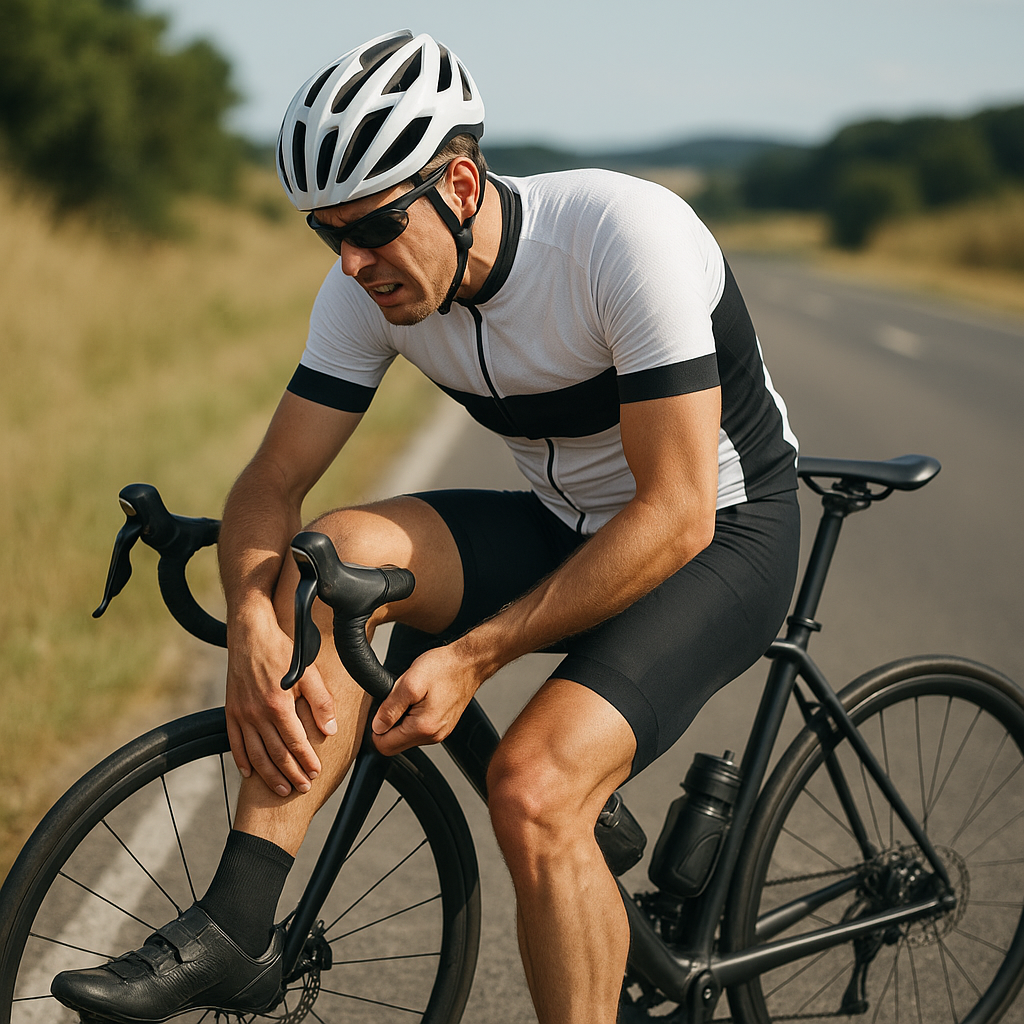
Muscle cramps can turn a pleasant cycling adventure into a painful ordeal, disrupting both performance and enjoyment. By understanding the underlying factors, adopting prevention strategies, and applying quick relief techniques, cyclists can stay on the saddle with greater comfort and confidence. This article explores the science behind cramps, practical tips for avoiding them, and effective remedies to keep you riding strong.
Understanding Muscle Cramps on the Saddle
Causes and Triggers
Cyclists often blame intense efforts or steep climbs when a sudden, sharp contraction seizes a leg muscle. In reality, cramps result from a combination of factors:
- Hydration imbalances that affect neuromuscular control
- Electrolyte depletion, especially magnesium, sodium, and potassium
- Inadequate warm-up and insufficient stretching
- Fatigue from repetitive pedaling technique or poor bike setup
Consulting with sports scientists reveals that when nerve endings misfire due to muscle overload or chemical imbalance, a cramp is triggered.
Which Muscles are Most Affected
The most common targets of cycling cramps include:
- Quadriceps – responsible for pushing the pedal downward
- Hamstrings – involved during the upward pull
- Calf muscles – especially during climbing and sprinting
- Foot arches – occasionally during long, out-of-the-saddle efforts
Awareness of these vulnerable areas allows cyclists to focus preventive measures where they matter most.
Preventing Cramps Before They Strike
Preparation can make all the difference. Incorporate these strategies into your training regimen:
- Prioritize proper bike fit to ensure biomechanical efficiency and reduce unnecessary strain on leg muscles.
- Establish a consistent hydration routine: sip 500–750 mL of fluid per hour, adjusting for heat and exertion levels.
- Balance your intake of electrolytes: consume sports drinks or natural sources like bananas, nuts, and leafy greens.
- Integrate a dynamic warm-up before every ride, including leg swings and bodyweight squats to activate major muscle groups.
- Perform regular flexibility drills focusing on the quadriceps, hamstrings, and calves to maintain optimal muscle length.
- Build endurance gradually: follow a structured training plan to avoid sudden spikes in intensity that can overload fibers.
Immediate Relief Strategies During the Ride
If a cramp does appear mid-ride, prompt action can prevent it from worsening and allow you to continue:
- Reduce resistance or stop pedaling momentarily to eliminate muscle tension.
- Gently stretch the affected area: for a calf cramp, extend your leg forward and flex the foot upward; for a quadriceps cramp, pull your heel toward your buttocks.
- Massage the cramped muscle using firm, circular pressure to promote blood flow and relaxation.
- Apply a cold pack or alternating cool water on the area to ease inflammation and soothe nerve endings.
- Consume a quick, portable source of electrolytes—such as an electrolyte tablet or a small handful of salted nuts—to address potential chemical shortages.
- Resume cycling at a lower cadence and reduced power until the muscle feels stable; gradually ramp back up as strength returns.
Post-Ride Recovery and Long-Term Solutions
The hours after your ride are crucial for minimizing the risk of future cramps and supporting overall muscle health:
- Ingest a balanced recovery meal within 30–60 minutes, combining lean protein with complex carbohydrates to replenish glycogen and repair fibers.
- Continue hydrating and include magnesium-rich foods like leafy greens, seeds, or an electrolyte recovery drink before bed.
- Incorporate foam rolling or self-massage techniques to release any lingering tightness in the calf muscles, hamstrings, and lower back.
- Schedule at least one rest or light-activity day each week to allow full tissue recovery and prevent cumulative fatigue.
- Consult a sports medicine specialist or physical therapist if cramps persist, as they can assess for underlying issues such as nerve entrapments or nutritional deficiencies.
Enhancing Performance Through Smart Cycling Habits
Beyond cramp management, cyclists should adopt holistic training and lifestyle habits to elevate their riding experience:
- Focus on core strength and stability exercises to improve overall power transfer and reduce undue stress on the legs.
- Refine your pedaling technique by practicing single-leg drills, which promote even force distribution and reduce hotspots of overload.
- Experiment with gear ratios to find the most comfortable cadence range, minimizing the risk of muscular burnout on long climbs.
- Monitor training stress and recovery using digital platforms or a training diary, ensuring that rest days are respected.
- Incorporate cross-training activities like swimming or yoga to enhance flexibility, cardiovascular fitness, and mental resilience.