Commuting by bicycle offers an invigorating blend of exercise, cost savings, and environmental benefits. Yet, selecting the optimal path can make all the difference between a pleasant ride and an unnerving ordeal. This guide delves into the key considerations for pinpointing the safest route, blending practical advice with proven strategies to ensure every journey is both efficient and secure.
Understanding Risk Factors
Before mapping out your daily commute, it’s crucial to evaluate the potential hazards you might face on the road. Identifying and mitigating these risks will boost your confidence and reduce the likelihood of accidents.
Traffic Volume and Speed
- Highways and major thoroughfares often have faster-moving vehicles, making them less ideal for cyclists.
- Residential streets typically feature slower traffic and more stop signs, offering a calmer environment.
- Use online tools to check traffic density during your commuting hours.
Road Infrastructure
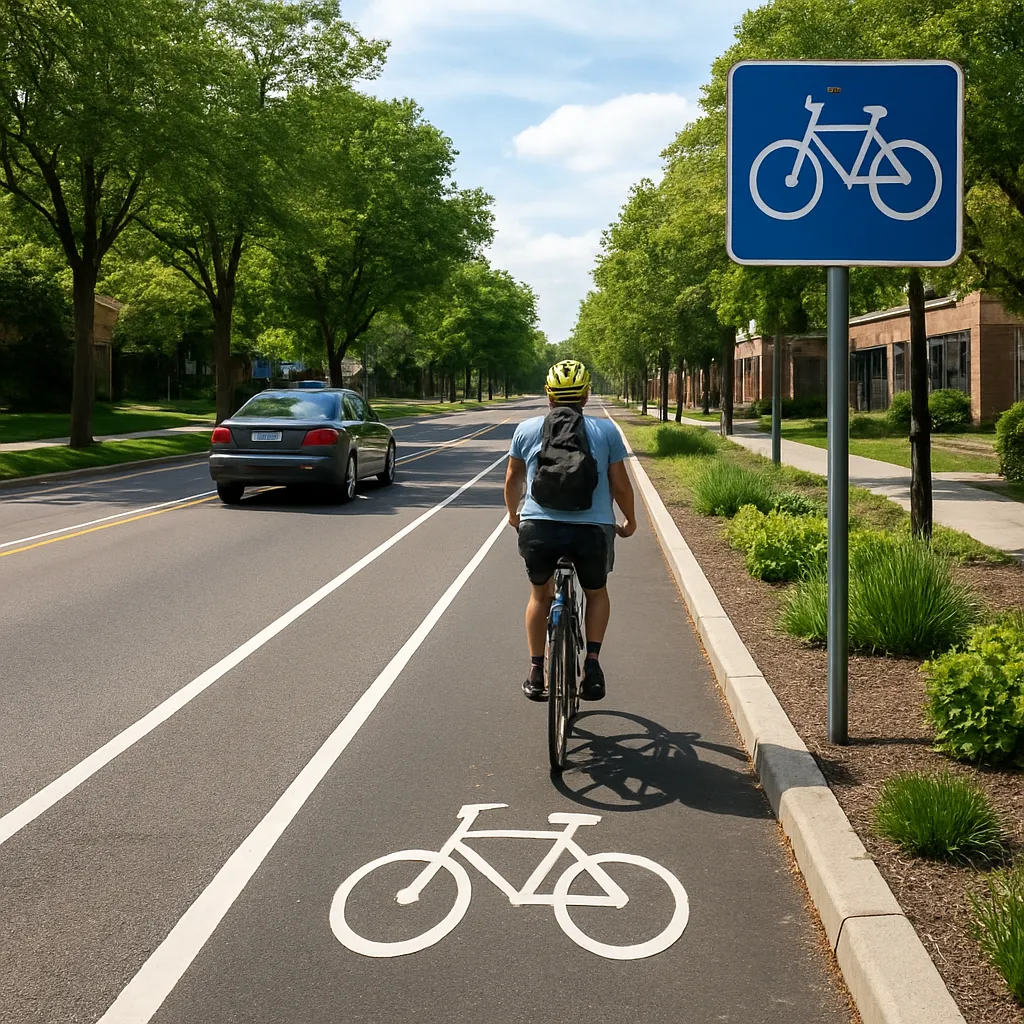
- Dedicated bike lanes or protected cycle tracks significantly reduce collision risks.
- Potholes, uneven pavement, and debris increase the chance of losing control. Routinely inspect street-level images or local cycling forums for real-time updates.
- Consider the presence of pedestrian crossings and narrow lanes that might force cyclists too close to moving vehicles.
Environmental Conditions
- Steep hills demand greater physical effort and can compromise control during descents.
- Areas prone to heavy rain or flooding may render certain paths impassable or slippery.
- Tree-lined roads offer shade but may drop leaves or branches, creating unexpected obstacles.
Mapping and Planning Your Route
Effective planning relies on leveraging technology, local knowledge, and practical on-the-ground scouting to craft a route that balances directness with security.
Utilizing Digital Tools
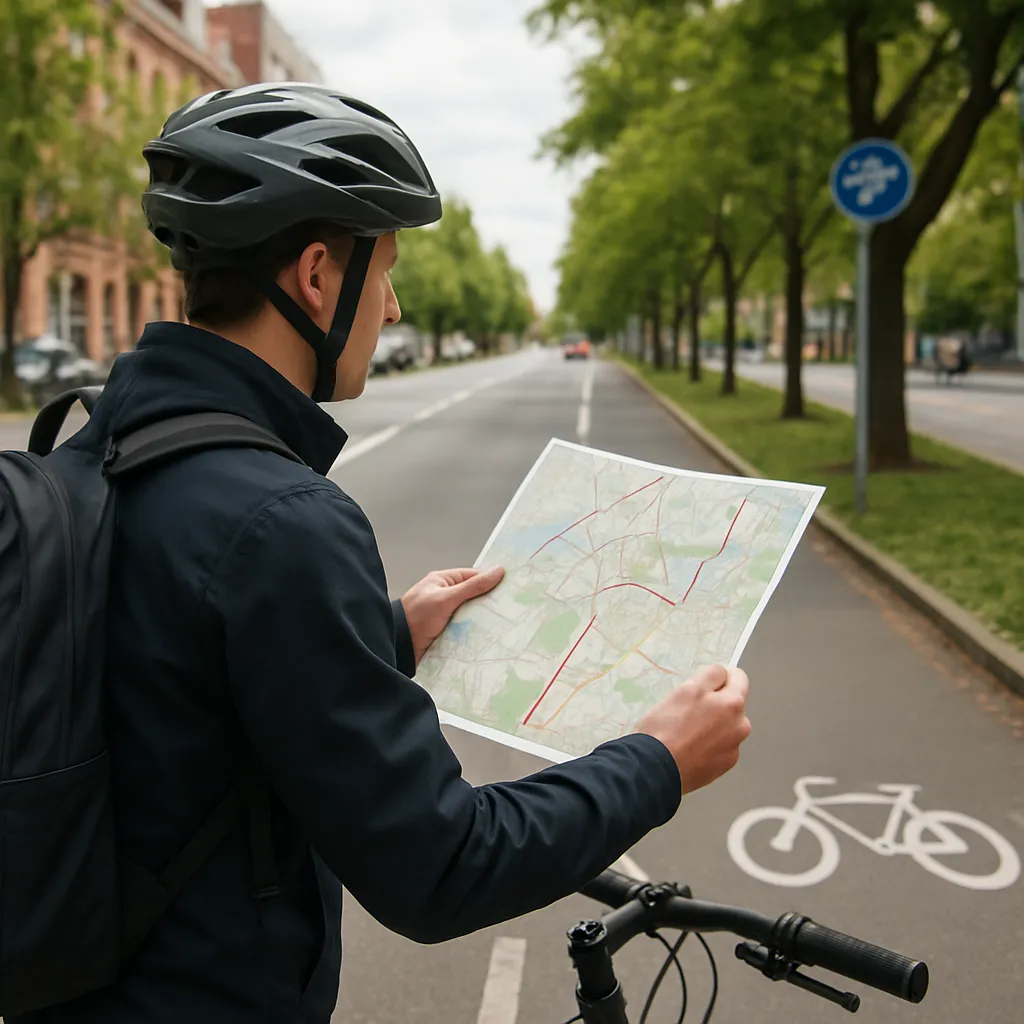
- Apps like Strava, Komoot, and Google Maps feature cyclist-specific routing—look for options that prioritize protected lanes or low-traffic roads.
- Heatmaps reveal popular routes taken by fellow riders, often highlighting safer, well-maintained streets.
- Satellite and street-view functions help you preview intersections, signage, and potential hazards before you commit.
Combining Multiple Segments
Rather than relying on a single continuous path, piece together short segments that maximize your use of dedicated cycling infrastructure:
- Begin with a quiet neighborhood stretch to warm up before merging into busier zones.
- Transition onto a scenic greenway or canal path for the most serene portion.
- Exit onto commercial avenues only when necessary, ideally during off-peak periods.
Scouting and Timing
Nothing replaces firsthand experience:
- Ride your proposed route off-peak to assess real-world conditions—sidewalk encroachments, delivery vehicles, or erratic parking.
- Note signal timings; some intersections afford longer pedestrian phases, granting cyclists additional crossing time.
- Adjust departure times to avoid rush hours if traffic patterns prove too intense.
On-the-Road Strategies for Safety
Once your route is set, adopting the right behaviors and equipment can further enhance your protection against common threats.
Visibility and Signaling
- Wear high-contrast clothing with reflective strips—especially during dawn, dusk, or inclement weather.
- Equip your bike with bright front and rear lights; flash modes draw more attention from motorists.
- Use clear hand signals well in advance of turns or lane changes; certainty reduces guesswork for drivers and pedestrians.
Positioning and Lane Discipline
Avoid “door zones” and unsafe overtakes:
- Ride about a meter from parked cars to prevent sudden door openings.
- Claim the full lane on narrow roads where overtaking would force cars into oncoming traffic; this compels safe passing distances.
- Adopt an assertive yet courteous posture—neither too far right nor overly defensive.
Maintaining Momentum
- Frequent stops can make you less predictable; use yield conditions rather than full stops when safe and legal.
- Maintain a steady pace uphill to avoid stalling midgrade, which might surprise drivers behind you.
- Downhill, control your speed to navigate corners securely and prevent brake fade.
Leveraging Community Resources
Building connections within the cycling network can unlock invaluable insights and support mechanisms.
Local Cycling Clubs and Meetups
- Group rides often scout and refine routes, allowing you to learn from experienced riders’ knowledge of obstacles and shortcuts.
- Community bulletin boards or social media groups share real-time incident reports—accidents, roadworks, or events that could impact your commute.
Municipal Feedback Channels
- Many cities host online portals for reporting roadway hazards, from potholes to missing signage.
- Submit feedback on proposed cycling infrastructure upgrades to ensure your daily path receives priority.
- Attend council or planning meetings to stay informed on upcoming road closures and construction.
Continuous Learning and Adaptation
As urban landscapes evolve, so should your route:
- Periodically revisit alternative paths—new bike lanes or traffic-calming measures might make a previously avoided road more appealing.
- Experiment with seasonal variations: some greenways may close in winter, while spring foliage could obscure sightlines.
- Document your rides via apps that track your performance and incidents; this data helps refine your approach over time.
Choosing Gear and Maintenance Tips
Even the most meticulously planned route can be compromised by equipment failure. Investing time and resources in the right gear keeps you rolling smoothly.
Essential Safety Equipment
- A well-fitted helmet that meets recognized safety standards is non-negotiable.
- Gloves, knee pads, or reflective vests can offer added protection and visibility.
- A compact multi-tool, tire levers, and spare tube ensure you’re prepared for roadside adjustments.
Routine Bike Checks
- Inspect tire pressure weekly; underinflated tires increase rolling resistance and puncture risk.
- Lubricate the chain every few rides to maintain efficiency and prevent wear.
- Test your brakes and lights before each departure to guarantee reliability.
Upgrading Over Time
As your cycling proficiency grows, consider enhancements:
- Switch to puncture-resistant or tubeless tires to reduce downtime.
- Install ergonomic handlebars or saddle to improve comfort on longer commutes.
- Incorporate cadence sensors or GPS units for better navigation and performance tracking.