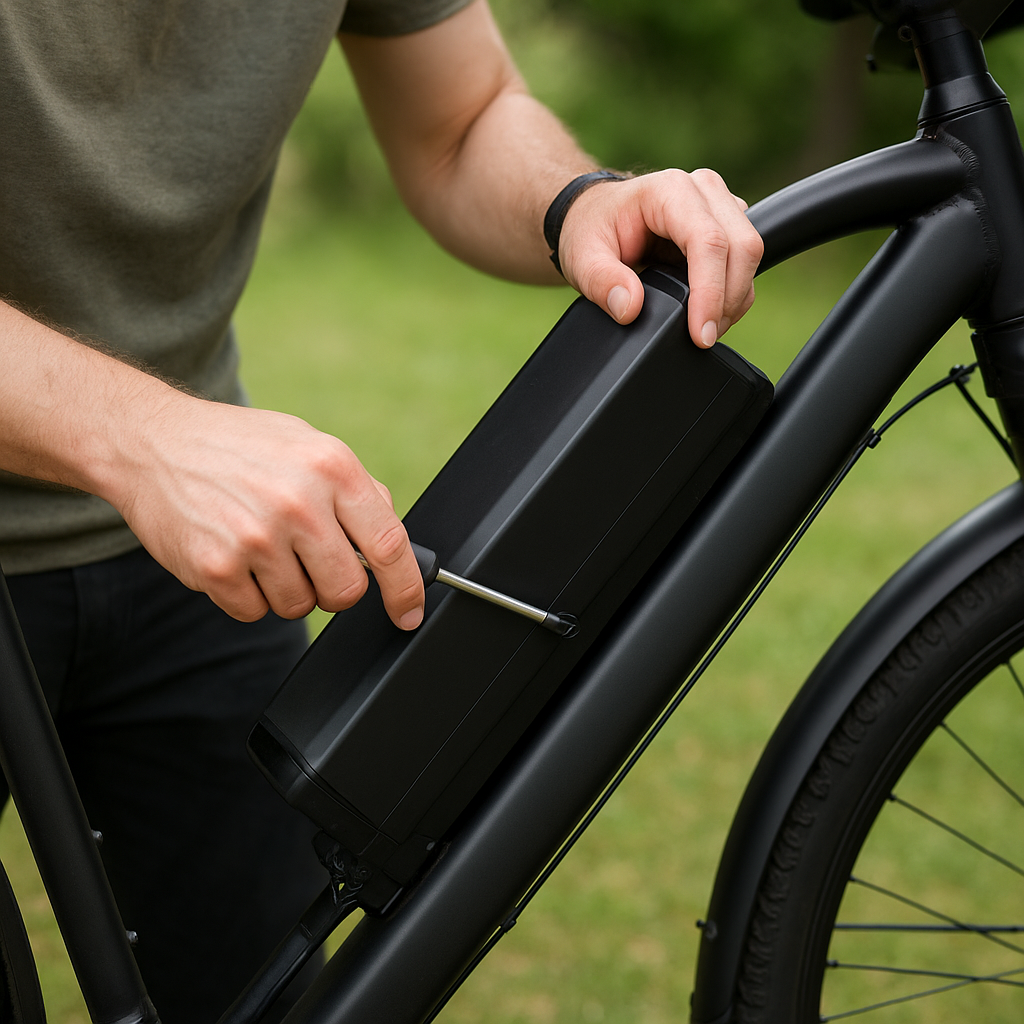
Exploring the world of electric bicycles reveals a delicate balance between power and preservation. A well-cared-for battery can deliver reliable range, consistent performance, and years of worry-free riding. This guide dives into fundamental principles and practical tips to help you protect your investment and keep your e-bike running at its best.
Understanding E-Bike Battery Basics
Before diving into care strategies, it’s crucial to grasp how modern e-bike packs are built and why certain practices matter. Most e-bikes use lithium-ion cells arranged in series and parallel configurations. Each cell adds voltage and capacity, resulting in packs rated by voltage (V) and ampere-hours (Ah). Together, these figures determine overall watt-hours (Wh) and riding range.
Battery Chemistry and Types
Although lithium-ion dominates the market, variations exist: lithium cobalt oxide (LiCoO₂), lithium manganese oxide (LiMn₂O₄), and lithium iron phosphate (LiFePO₄). Each chemistry offers trade-offs in energy density, lifespan, and safety. High-energy cells yield lighter packs but may age faster under stress, while robust cells often weigh more but endure degradation at a slower pace.
Key Performance Metrics
Two metrics define everyday use: charge cycles and depth of discharge (DoD). A single cycle equals one full drain and recharge, but partial charges count as fractional cycles. The deeper you discharge the pack before recharging, the fewer cycles the battery will deliver over its life. Aim to operate within a moderate DoD—around 20–80%—for optimal longevity.
Proper Charging Habits
The way you charge your pack has a direct impact on its health. Chargers tailored to your e-bike’s specifications typically handle voltage cutoffs and current limits intelligently. Still, riders must follow best practices to prevent undue stress on cells.
Avoiding Overcharging
Leaving a fully charged pack connected to its charger for extended periods can force cells to sit at maximum voltage, accelerating wear. Many smart chargers switch off or trickle when the pack hits 100%, but not all systems are foolproof. Whenever possible, remove the battery once charging completes or use a charger with an automatic shutoff feature.
Optimal Charge Window
Regularly charging from very low to 100% strains cells more than topping up between rides. A good rule of thumb is to keep your battery level between 30% and 90%. Partial top-ups help maintain capacity without pushing cells to extreme states. For overnight charging, consider setting an alarm or using a timer to avoid unnecessary high-voltage dwell time.
Storage and Environmental Considerations
Temperature extremes and improper storage conditions are among the leading causes of premature degradation. Addressing these factors can dramatically extend cycle life.
Temperature Management
Heat is the enemy of battery longevity. Storing or charging at high ambient temperatures speeds up chemical reactions inside cells, reducing their usable life. Similarly, riding in extreme cold can temporarily lower available capacity. Whenever possible, keep your e-bike and its pack in a climate-controlled space, ideally between 10 °C and 25 °C.
Long-Term Storage Tips
If your e-bike will sit unused for weeks or months, follow these guidelines:
- Charge the pack to roughly 50% before storage to reduce stress on electrodes.
- Place the battery in a dry, cool spot away from direct sunlight or radiators.
- Check state of charge every 4–6 weeks and recharge back to 40–60% if it has dropped below 30%.
These measures help preserve cell integrity and prevent irreversible capacity loss during hibernation periods.
Routine Maintenance and Inspection
Beyond charging and storage, hands-on care ensures connectors, cables, and electronics remain in peak condition. Neglected hardware can introduce resistance, ARCs, or voltage drops that degrade system efficiency.
Cleaning Connectors and Contacts
Corrosion and grime on battery terminals and charger ports impede current flow. Every few months, remove the pack and gently clean contacts with a soft brush or lint-free cloth. If you spot oxidation, apply a tiny bit of contact cleaner or dielectric grease to inhibit future corrosion.
Software Updates and Balancing
Many modern e-bikes offer firmware updates that optimize cell balancing and thermal management. Keeping your controller’s software up to date can help ensure individual cells maintain equal voltage levels, preventing weak cells from dragging down the entire pack. Consult your manufacturer’s instructions for safe update procedures.
Monitoring Capacity Over Time
Periodic capacity tests—either via your bike’s onboard diagnostics or a dedicated battery analyzer—reveal how much usable energy remains. Tracking this figure lets you spot unusual drops in performance that might signal a defective cell or charging problem before it leaves you stranded.
Practical Riding Strategies
Even your riding style affects battery lifespan. Hard acceleration, frequent starts and stops, and high-power modes increase current draw, heating cells and wearing them out faster.
Smooth Acceleration
Gradually ramping up power demand keeps current draw lower and helps cells maintain nominal temperature. Rather than stomping the throttle, roll onto it to blend human pedaling with motor assistance.
Choosing Lower Power Modes
Use eco or tour modes for everyday commuting to preserve energy and limit stress. Reserve boost or turbo settings for hill climbs or bursts when extra performance is truly needed.
Integrating Advanced Accessories
Upgrading with quality accessories can improve both safety and battery longevity.
Regenerative Braking Systems
Some e-bikes support recuperation that feeds energy back into the pack when braking. While recovery rates are modest, every kWh recaptured reduces overall charging demand and slightly extends riding range.
Smart Battery Management Units (BMUs)
Aftermarket BMUs offer advanced monitoring, automatic cell balancing, and overcurrent protection. Installing a reliable unit adds a layer of defense against overcharge, overdischarge, and excessive voltage fluctuations.
By adopting these strategies—ranging from mindful charging routines and temperature control to careful riding habits and periodic inspections—you’ll safeguard your battery’s health and maximize its usable life, ensuring countless miles of smooth, efficient e-biking.