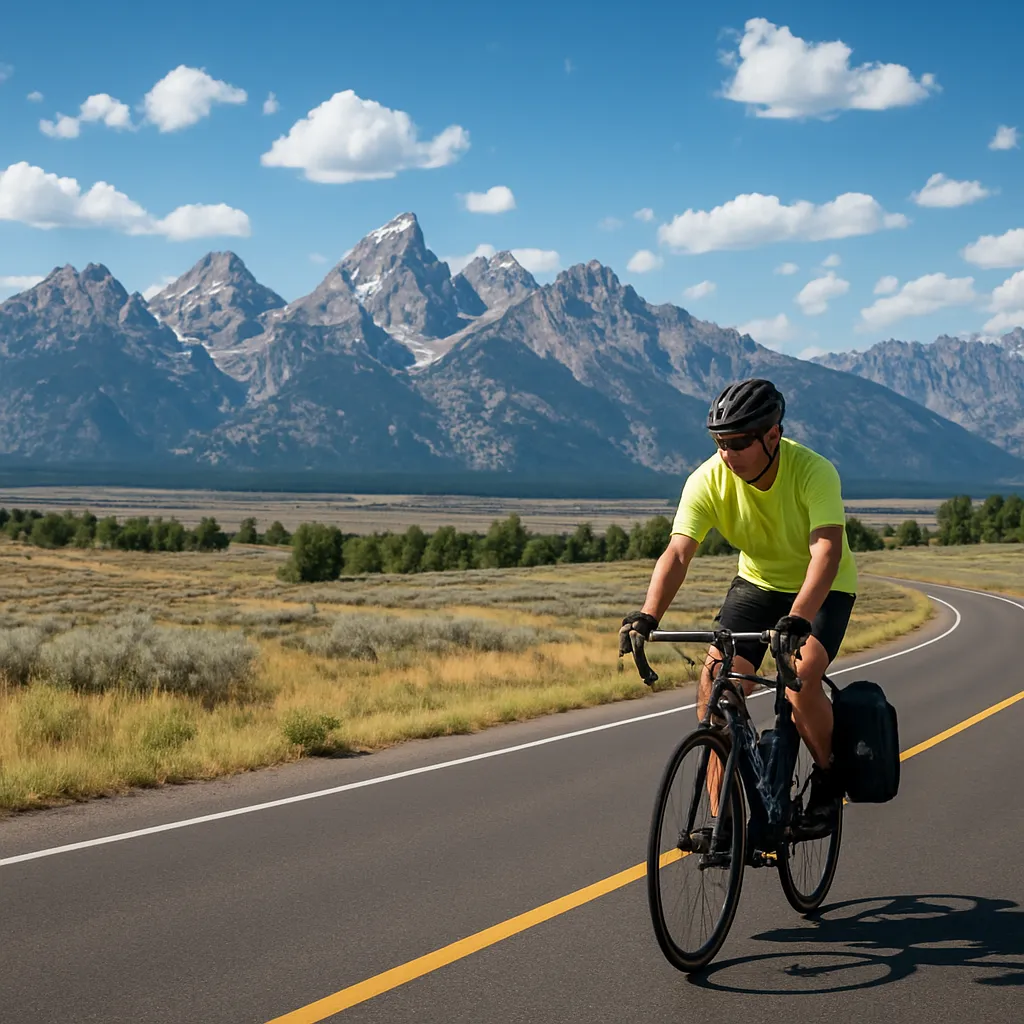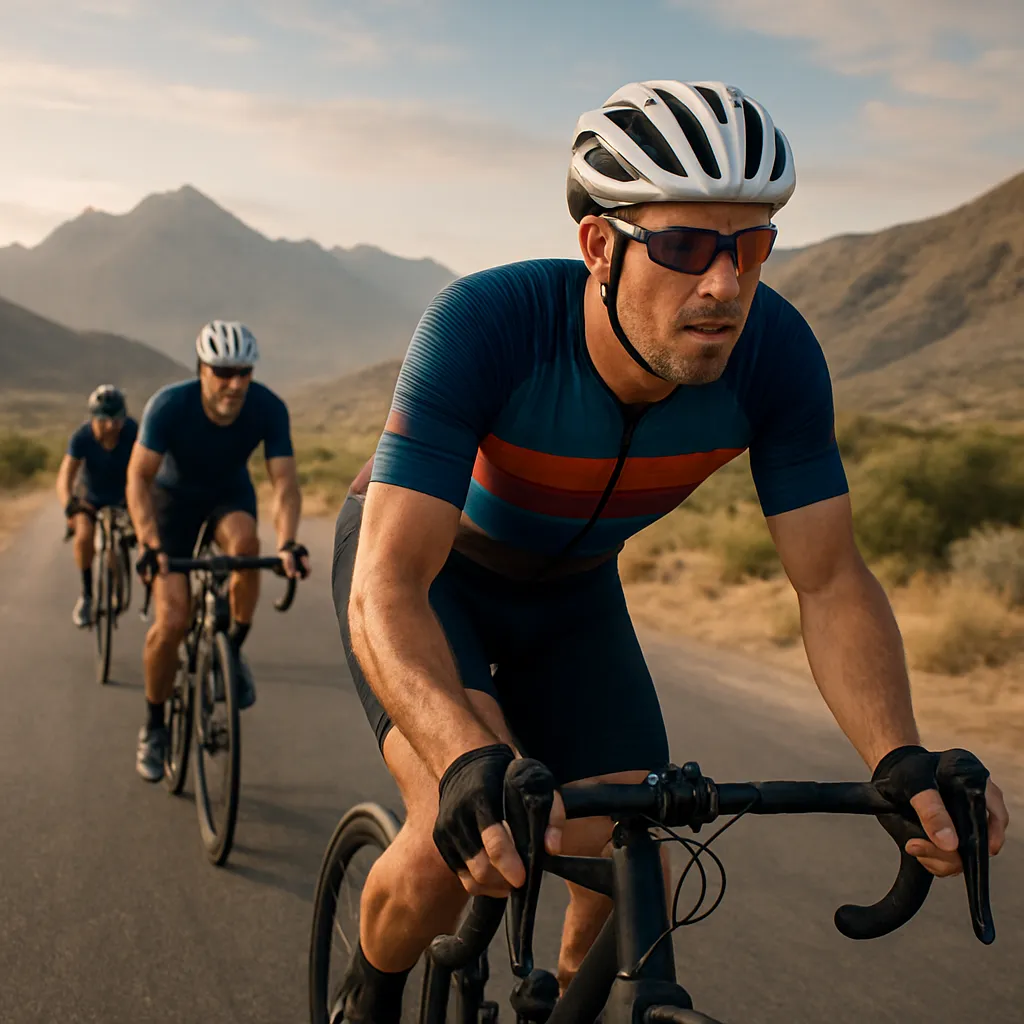
Bicycles have evolved far beyond simple modes of transport into instruments of human ambition, pitting rider against terrain in events that test the limits of stamina and spirit. From mountainous trails to desert sands, the world’s most demanding two-wheeled marathons showcase the raw beauty of the landscape while challenging participants to unlock hidden reserves of endurance and resilience. Whether you’re a seasoned racer or an avid weekend explorer, understanding the allure and preparation behind these epic journeys can ignite your own passion for adventure and self-discovery.
Exploring the World of Bike Marathons
The Rise of Endurance Cycling Events
Over the past two decades, competitive cycling has shifted from road sprints and track events toward grueling long-distance marathons and ultra-endurance challenges. Riders chase not just podium finishes but personal achievement and profound encounters with nature. As organizers expand courses across continents, the global calendar now features hundreds of events ranging from 100-mile rides to multi-day cross-country expeditions. Participants relish the sense of adrenaline that comes at the crack of dawn, wheels rolling out on unpaved roads while the sky still glows with stars. These events foster a tight-knit community where camaraderie springs up at roadside feed stations, bitter headwinds, and summit views alike.
Preparing Your Body and Mind for Ultra-Endurance Rides
Training for Long-Distance Challenges
Building fitness for a 200-mile bike marathon or a seven-day stage race demands a structured approach. Riders typically follow periodized plans, cycling through base mileage, intensity blocks, and taper phases. Key elements include:
- Foundational aerobic rides of several hours to boost cardiovascular capacity.
- High-intensity interval sessions to improve power output on climbs and sprints.
- Brick workouts combining cycling and running to simulate race-day transitions.
- Strength training off the bike, focusing on core stability and leg strength.
- Rest and active recovery days, vital for muscle repair and mental reset.
Each training block refines your riding technique and instills the strategy necessary to pace yourself effectively. Incorporating simulated race conditions—such as back-to-back century rides on rolling terrain—helps the body adapt to hours in the saddle, minimizing surprises on event day.
Nutritional Strategies for Peak Performance
Nutrition can make or break an ultra-distance performance. The goal is to maintain steady energy levels without gastrointestinal distress. Key principles include:
- Carbohydrate loading in the days leading up to the event to top off glycogen stores.
- Consuming 60–90 grams of carbohydrates per hour of riding, via gels, bars, and drinks.
- Balancing electrolytes—sodium, potassium, magnesium—to prevent cramps and maintain fluid balance.
- Practicing race-day fueling on training rides to discover tolerant foods and flavors.
- Rehydration and protein intake immediately post-ride to support muscle recovery.
Mastering race nutrition requires experimentation with different brands and formats. Riders often carry backup snacks in case their primary choices become unpalatable after hours on the road. Solid fueling plans drive perseverance when fatigue and hunger threaten to derail the effort.
Iconic Global Bike Marathons and Endurance Challenges
- Marmotte Granfondo (France): Often dubbed the hardest one-day Alpine ride, it features over 5,000 meters of climbing across Col du Glandon, Col du Télégraphe, and the legendary Alpe d’Huez.
- Transcontinental Race (Europe): A self-supported, point-to-point race spanning more than 4,000 kilometers, where riders plan their own routes between checkpoints, managing logistics, nutrition, and rest on the go.
- Race Across America (USA): Covering roughly 4,800 kilometers from the Pacific to the Atlantic, this team or solo event tests physical and mental toughness over consecutive days and nights with minimal rest.
- Santos Tour Down Under Strade Bianche (Australia): A gravel-centric competition that combines paved roads with rough white gravel sectors, challenging riders to balance speed and bike-handling skills.
- La Ruta de los Conquistadores (Costa Rica): A three-day stage race crossing mountains, volcanic slopes, and tropical rainforests, where heat, humidity, and unpredictable terrain amplify the test of human limits.
Unleashing the Spirit of the Ride
Beyond physical preparation, the most rewarding aspect of taking on monumental cycling events lies in the mental journey. Riders learn to embrace discomfort, set incremental goals, and cultivate unwavering focus. Along remote highways or rugged backcountry tracks, fellow participants and volunteers offer encouragement when spirits flag. The shared experience of overcoming brutal climbs or battling crosswinds for hours fosters lasting bonds. Every pedal stroke becomes a meditation in resilience, reinforcing the belief that ordinary people can achieve extraordinary feats through dedication and grit.
In the face of daunting challenges, each finish line crossed is both a personal victory and a testament to collective support—from coaches and crew members to the cheering spectators lining mountain passes. Whether you dream of tackling a century ride, an alpine climb, or a multi-continent odyssey, the lessons learned on two wheels extend far beyond cycling. Embrace meticulous training, respect the demands of supply and nutrition, and cultivate a mindset of bold exploration. As wheels spin and landscapes blur, you’ll discover that the true reward is the journey itself—an odyssey of growth, camaraderie, and unforgettable moments etched into every revolution of the crankset.