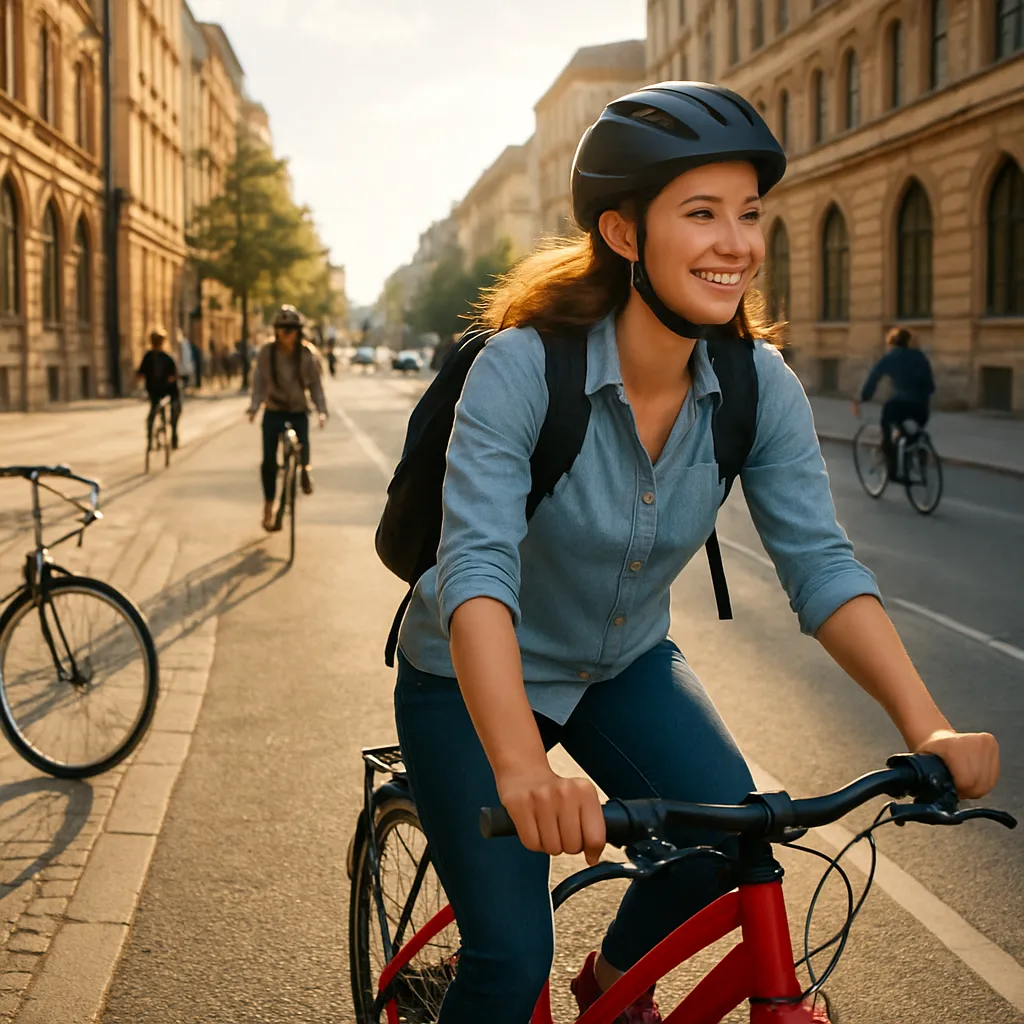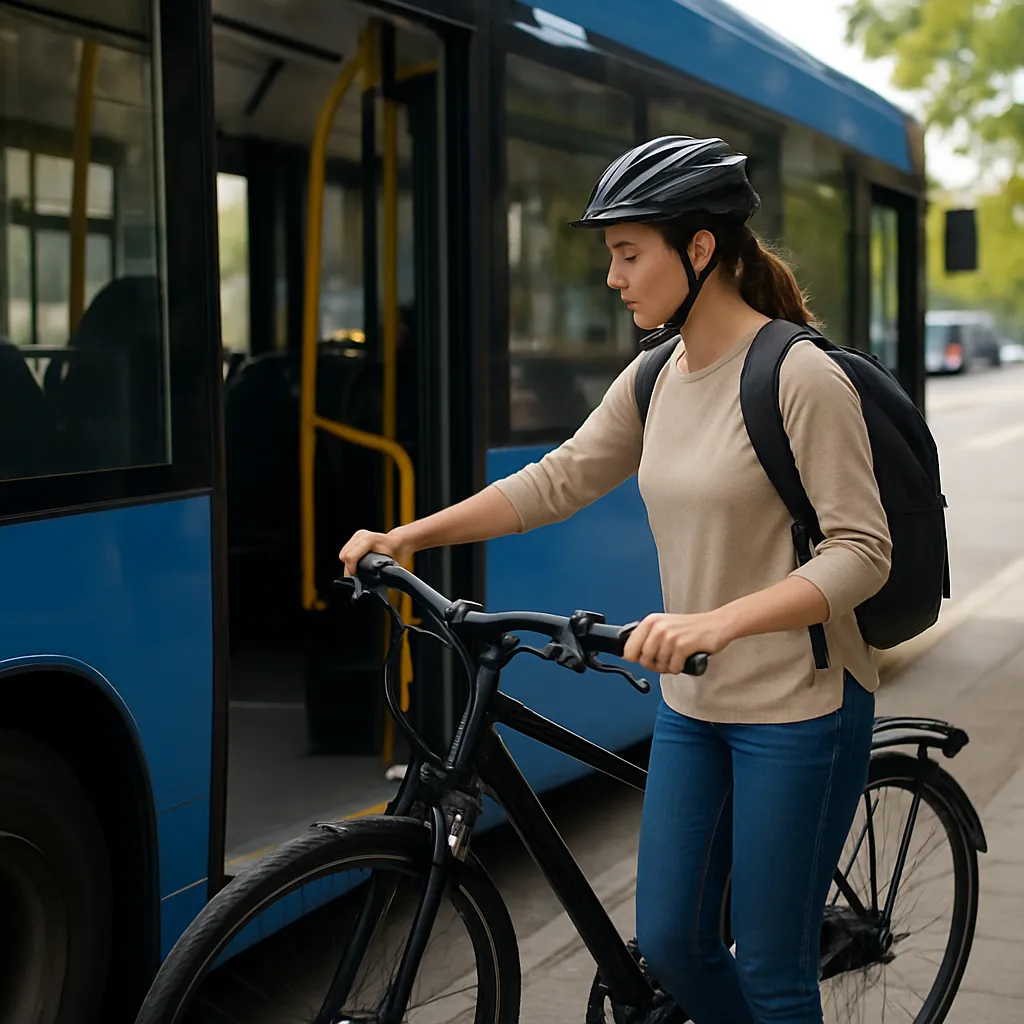
Integrating bicycles with public transportation offers a unique solution for commuters seeking sustainable and flexible travel options. This approach not only reduces reliance on cars but also maximizes the utility of existing transit systems. By combining cycling with buses, trains, trams, or metros, riders enjoy improved efficiency and greater route variety. Below are comprehensive insights into how to plan, equip, and ride safely when mixing two of the most effective urban mobility modes.
Benefits of Combining Public Transport and Cycling
Using a multimodal journey means you leverage the best attributes of each transport type. Public transit handles long distances and hilly areas, while cycling covers the ‘first mile–last mile’ gap. Key advantages include:
- Reduced traffic congestion: Fewer cars on the road lead to smoother travel for everyone.
- Lower emissions: Trains and buses typically generate less pollution per passenger than single-occupancy vehicles.
- Cost savings: Avoid expensive parking fees, fuel costs, and frequent repairs associated with car usage.
- Healthy lifestyle: Cycling adds an aerobic workout into daily routines, improving cardiovascular health.
- Enhanced resilience: When one transport mode experiences disruptions, you have an alternative ready.
Planning Your Intermodal Journey
Research Route Options
Begin by identifying public transport lines that support bike carriage. Many transit agencies provide maps indicating where space for bicycles is available. Look for:
- Dedicated bike racks inside trains or trams.
- Exterior bike hooks on bus fronts.
- Metro stations with elevators and ramps for easy boarding with a bicycle.
Check Peak Hour Restrictions
Some systems restrict bike access during busy hours to prevent overcrowding. Plan your schedule around these limitations to avoid being turned away and ensure a smooth journey. Timetables and official websites often note these accessibility guidelines prominently.
Equipment Reservations and Fees
In certain regions, you must reserve a spot for your bike on trains. Expect a small surcharge in some cases. Always confirm reservation processes and any additional charges before setting out. Pre-booking can guarantee uninterrupted travel and avoid last-minute hassles.
Choosing the Right Equipment
Selecting the proper bicycle and accessories can make intermodal trips more enjoyable. Pay attention to weight, portability, and durability. Below are key considerations:
Folding vs. Standard Bikes
- Folding bikes: Highly ergonomic for mixed transport—fits into compact train areas, lifts easily, and stows under seats.
- Standard bikes: Preferred for longer distances and more rugged urban terrain. Requires designated bike areas on public transit.
Essential Accessories
- Helmet: A must for safety, particularly in high-traffic zones.
- Lock: Invest in a sturdy U-lock or chain to secure your bike at stations.
- Lights and reflectors: Ensure visibility in early mornings or late evenings.
- Fenders and mudguards: Keep you dry and comfortable in varying weather conditions.
- Compact panniers or backpacks: Carry essentials and any items you need on transit without interrupting other passengers.
Maintenance Tools
Carry a small repair kit, including a spare inner tube, patch kit, portable pump, and a multi-tool. Being able to address minor issues on the go prevents delays and keeps your schedule intact. Make sure these tools are stored in a lightweight bag that you can bring onto buses or trains with ease.
Safety, Etiquette, and Best Practices
Blending cycling and public transport demands attention to both road and onboard etiquette. Adhering to a few simple rules ensures comfort and safety for everyone.
On the Road
- Obey traffic signals and ride in designated bike lanes whenever possible.
- Maintain a predictable line and signal clearly before turning.
- Keep a safe distance from parked cars to avoid opening-door accidents (dooring).
Onboard Conduct
- Board and alight at designated doors to avoid disrupting other riders.
- Stow your bike in marked areas or hang it on provided hooks to prevent aisle blockages.
- Avoid obstructing doors and always allow passengers to exit before boarding.
- Offer assistance to those with mobility challenges; good integration of bikes shouldn’t compromise accessibility for others.
Communicating with Staff
If you’re unsure where to place your bike, ask transit personnel for guidance. Their instructions help maintain order and ensure that your bicycle doesn’t interfere with emergency exits or seating arrangements. Staff are generally supportive of riders who follow the rules and demonstrate courteous behavior.
Infrastructure and Advocacy
For seamless travel, cities must invest in robust infrastructure and supportive policies. Many successful urban areas have implemented:
- Bike-friendly transit hubs with secure parking and repair stations.
- Cycling priority lanes that connect directly to major train or bus terminals.
- Public awareness campaigns promoting advocacy and respect among all commuters.
Engaging in local planning meetings and providing feedback to transit agencies can accelerate improvements. Cyclists, bus riders, and train passengers all benefit from well-integrated systems that balance capacity, safety, and convenience.
Environmental and Health Impact
Combining cycling with mass transit significantly lowers carbon footprints. Each commuter who leaves a car at home contributes to cleaner air and reduced urban noise. Health benefits include stress reduction and enhanced mental well-being due to regular physical activity. Over time, these dual advantages foster more flexibility in urban planning, encouraging cities to prioritize human-scale travel solutions.
Measuring Success
- Decline in daily car traffic within central business districts.
- Increase in public transport ridership among cyclists.
- Improvement in local air quality indices and public health metrics.
Regular surveys and data collection help transit authorities fine-tune schedules, adjust capacity, and expand bike-friendly routes. By tracking these indicators, policymakers can make informed decisions that benefit entire communities.
Future Trends and Innovations
The evolution of mobility includes electric bikes and e-scooters that integrate with traditional transit. Innovations to watch:
- Dockless bike-share programs near transit stops.
- Real-time apps that display bike rack availability on trains or buses.
- Solar-powered bike parking and charging stations.
- AI-driven route optimization combining cycling paths and public transport timetables.
These developments enhance the overall journey experience, reducing wait times and guaranteeing parking or carriage spots. As technology advances, the synergy between cycling and public transport will continue to provide efficiency and convenience at scale.