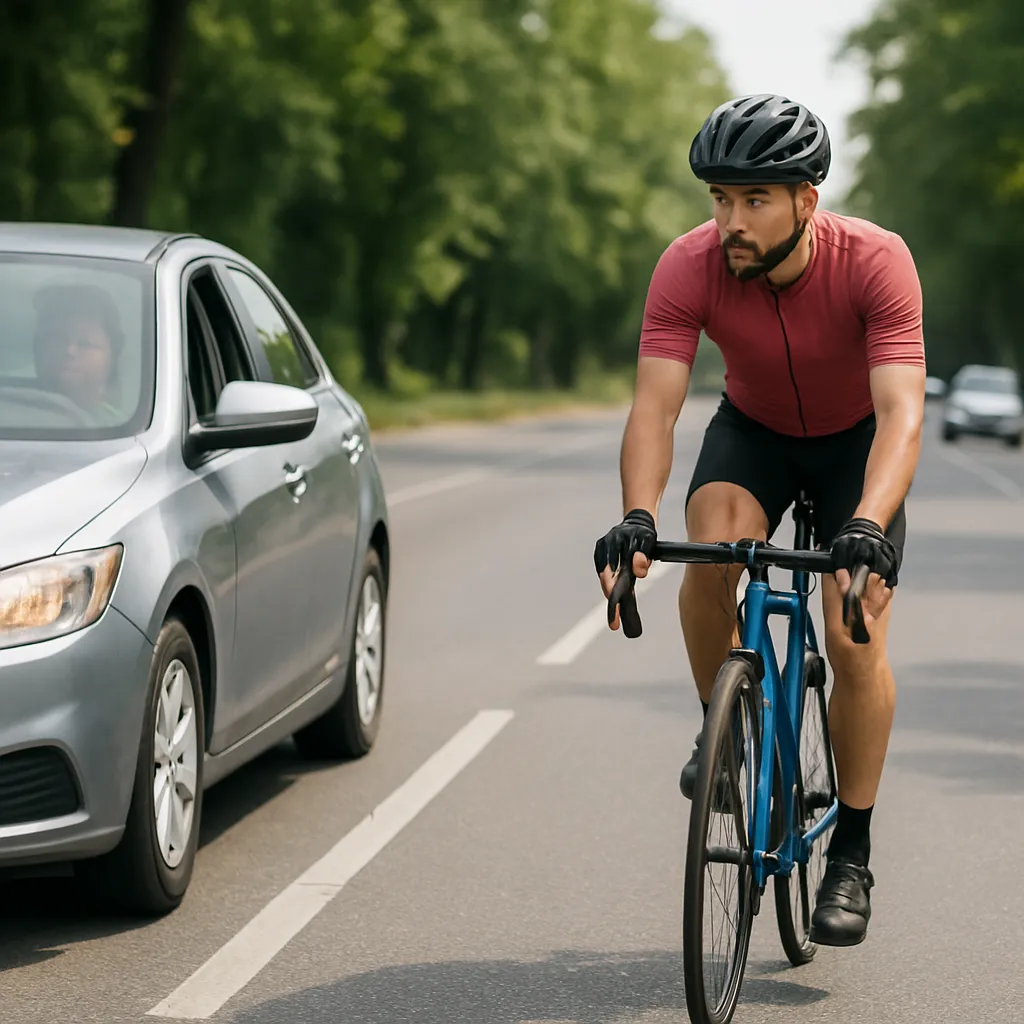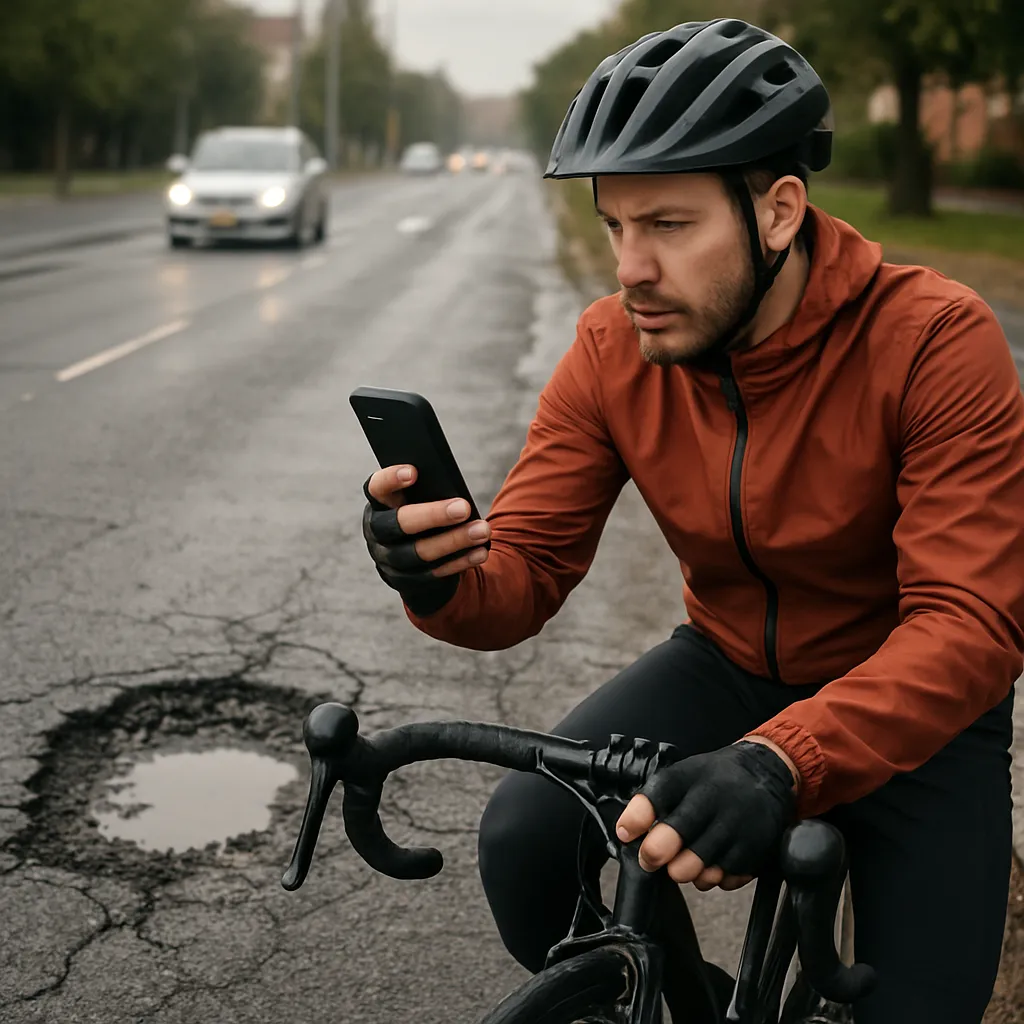
Cycling offers a unique blend of freedom, exercise, and eco-conscious travel. Yet, riders often face unexpected obstacles like potholes, uneven pavements, and debris that threaten their safety. This article guides cyclists through identifying, documenting, and reporting hazardous road conditions to local authorities, ultimately contributing to smoother rides and safer streets for all.
Understanding Dangerous Road Conditions
Common Hazards on Bike Lanes
Every urban or rural route can harbor hidden threats. Potholes and cracks in the asphalt surface can cause loss of control, while loose gravel, fallen branches, and metal debris pose puncture risks. Overgrown vegetation and faded road markings may further obscure lanes. As you ride, stay alert to:
- Uneven surfaces that force sudden swerve maneuvers
- Accumulated debris collecting along curbs
- Drainage grates and utility covers with gaps
- Temporary obstructions from construction work
Impact on Cyclist Well-Being
Encounters with road defects can lead not only to accidents but also to long-term wear on your bike. Frequent pothole hits can misalign wheels, stress the frame, or damage suspension systems. More importantly, the psychological toll of navigating these risks can reduce cyclists’ confidence and discourage regular riding. Recognizing and reporting hazards supports a healthier, more vibrant cycling community.
Reporting Mechanisms for Cyclists
Identifying the Correct Authority
Road maintenance falls under various jurisdictions: city, county, state, or private entities. Identifying the responsible body speeds up remediation. You can often find this information online via municipal websites or signage near construction zones. When uncertain, your local cycling network or advocacy group usually provides guidance. Typical authorities include:
- City Public Works or Transportation Departments
- State Highway Administrations
- Local Park Services for recreational trails
- Utility companies for their infrastructure
Essential Details to Include
A well-crafted report lets crews respond efficiently. Make sure to gather and convey:
- Location specifics: street names, mile markers, GPS coordinates
- Type of hazard: pothole dimensions, debris description, surface irregularity
- Time and date when you observed the issue
- Photographic evidence showing scale and context
- Your contact information for follow-up questions
Presenting these facts in a concise format expedites the triaging process and helps allocate maintenance priority.
Leveraging Technology and Community Networks
Using Mobile Apps and Online Platforms
Several digital tools allow cyclists to log road defects on the go. Dedicated municipal apps often integrate directly with city databases, while generic reporting platforms serve multiple regions. When choosing an app, look for features like:
- Offline mode for low-signal areas
- Automatic geotagging to pinpoint location
- Photo attachments and descriptive fields
- Status tracking to see when repairs are scheduled
Popular solutions include open-source mapping services and city-sponsored reporting portals. Installing more than one ensures coverage across different jurisdictions.
Engaging with Local Cycling Communities
Building a network of fellow riders amplifies individual efforts. Join online forums, social media groups, and local bike clubs to:
- Share reports and hazard alerts in real time
- Coordinate group rides that document problem areas
- Petition for infrastructure improvements based on collected data
- Host community clean-up events to remove immediate threats
Collaborative documentation often garners greater attention from municipality officials and media outlets, adding pressure for prompt action.
Best Practices for Effective Reporting
Documenting Hazards Thoroughly
High-quality reports reduce back-and-forth inquiries and speed up repairs. When stopping to record a hazard:
- Position your bike safely off the traffic lane
- Take multiple photos from different angles
- Include a familiar object (like a water bottle) for scale
- Note variations in road surface under different light conditions
These steps help maintenance crews assess the urgency and required resources before arriving onsite.
Following Up and Staying Informed
After submitting a report, track its progress via the platform’s status updates or by contacting the department directly. If repairs stall:
- Send a polite reminder referencing your original ticket number
- Escalate through elected officials or local media where appropriate
- Share updates with your cycling community to maintain visibility
Persistent yet respectful follow-up often ensures that road conditions don’t fall through the cracks.
Promoting Long-Term Infrastructure Improvements
Advocacy and Policy Engagement
Beyond individual reports, cyclists can drive systemic change by engaging with urban planners and council members. Effective strategies include:
- Presenting aggregated data on hazard frequency and locations
- Proposing protected bike lanes and raised crossings
- Attending public hearings on transportation budgets
- Collaborating with road safety nonprofits
Persistent advocacy makes sustainable cycling infrastructure a budgetary and political priority rather than an afterthought.
Educational Campaigns
Raising awareness among all road users fosters cooperation. Host workshops, distribute flyers, or leverage social media to:
- Teach drivers to share the road responsibly
- Instruct fellow cyclists on hazard spotting techniques
- Highlight the economic benefits of maintaining smooth roadways
- Encourage local schools and businesses to endorse safer streets initiatives
Building a culture that values safe cycling routes can influence city planning long after a single threat is patched.
Conclusion
Active participation in reporting and advocating for better road conditions empowers every cyclist. By combining meticulous documentation, strategic use of technology, community collaboration, and policy engagement, riders can transform hazardous streets into reliable arteries for everyday travel. Embrace the role of vigilant road steward and help pave the way toward safer, more enjoyable cycling for everyone.