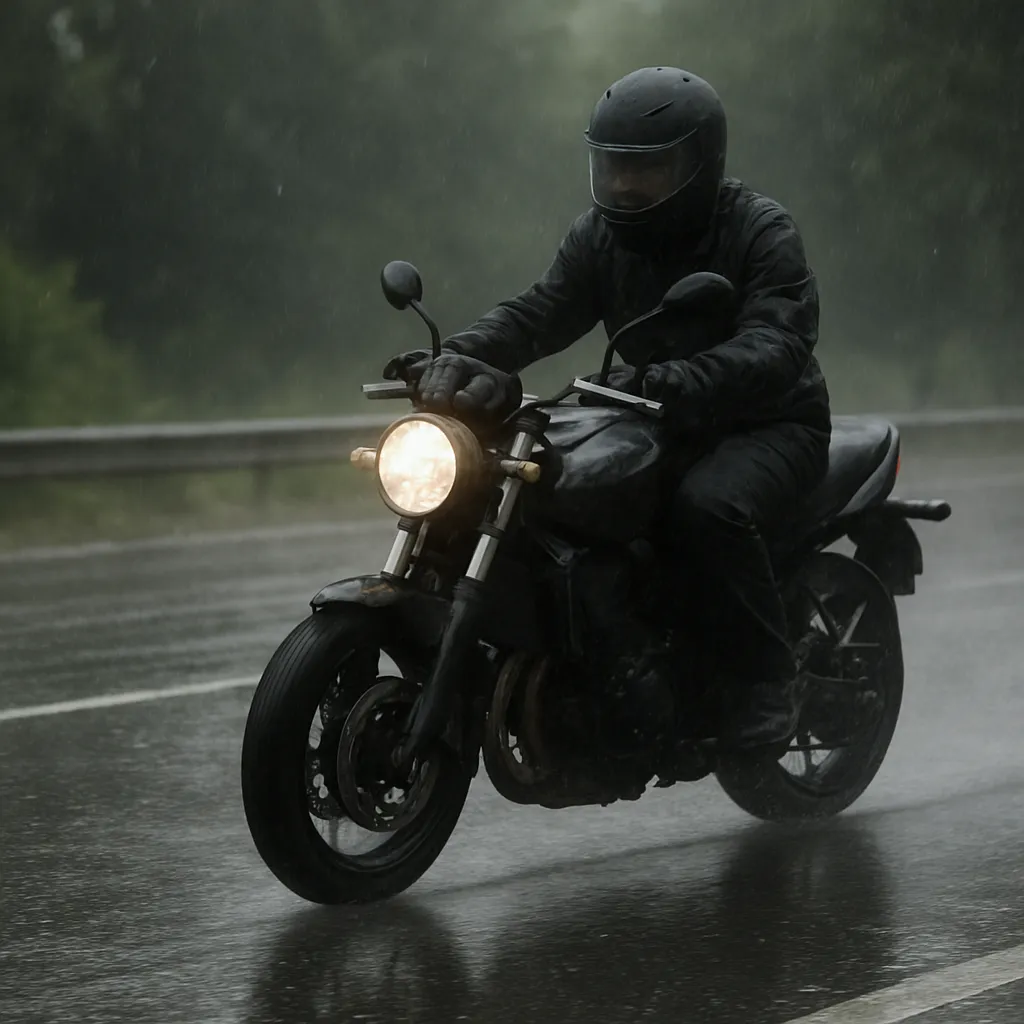
Cycling in rainy, wet, or slick environments can transform a routine ride into a challenging adventure. By understanding how water affects your bicycle and your own **balance**, you can navigate slippery roads with greater **confidence**. The following advice covers the right **equipment**, essential **techniques**, bike adjustments, route planning, and after-ride **maintenance**. Embrace these strategies to stay safe and enjoy wet-weather cycling.
Essential Equipment for Wet Conditions
Before setting off on a damp morning or into a light drizzle, select and prepare gear that enhances **traction** and protects both you and your bike.
- Waterproof Clothing: A reliable waterproof jacket and overpants keep you dry and minimize water’s impact on your body temperature. Seek breathable fabrics combined with sealed seams to reduce **condensation** inside the layers.
- Fenders: Installing front and rear fenders prevents water and road debris from splashing up onto your frame, reducing corrosion and keeping your goggles or glasses clearer for improved **visibility**.
- High-Grip Tires: Opt for tires with a softer rubber compound and a tread pattern designed to channel away water. Wider tires at lower pressure also increase the contact patch, enhancing **stability** on slick surfaces.
- Powerful Lights: Wet conditions often coincide with low-light hours. Mount a bright front light and a rear flashing light to make yourself more conspicuous to motorists and pedestrians alike.
- Gloves with Grip: Waterproof gloves with silicone palm prints help you maintain a secure hold on handlebars, especially important when emergency stops or quick maneuvers are required.
- Shoes and Pedal Systems: Choose shoes with recessed cleats or flat soles with sticky rubber. Clipless pedals can still be used, but practice quick release in a safe area beforehand so you can exit promptly in a slide.
Techniques for Maintaining Control
Riding technique plays a pivotal role in managing slick roads. By adapting your body position and braking style, you’ll reduce the likelihood of a skid and enhance **safety**.
- Smooth Braking: Avoid aggressive or sudden brake pulls. Gradually apply pressure to both front and rear brakes to distribute force evenly. For critical stops, begin with the rear brake to lower the rear wheel’s tendency to lift and then finish with the front brake.
- Lower Tire Pressure: Deflate your tires by 10–15 psi compared to dry conditions. This expands the tire’s footprint, improving **traction** and comfort over road irregularities.
- Upright Posture: Shift your weight slightly backward when descending slippery slopes to prevent the front wheel from washing out. Keep your elbows bent and your core engaged for rapid weight distribution adjustments.
- Pedal Smoothly: Maintain a consistent cadence and avoid sudden torque spikes. When accelerating out of corners or uphill, apply power progressively to prevent the rear wheel from spinning out.
- Line Choice: Scan for draining grooves, painted lines, and metal surfaces (manhole covers or grates) that become exceptionally slick when wet. Aim for textured concrete or asphalt patches for superior **grip**.
- Cornering Tips: Enter corners at a controlled speed and execute turns by leaning the bike rather than your body. Keep the outside pedal down, weight on the outer edge of that pedal, and press into the ground for stability.
Adjusting Your Bicycle for Better Traction
Fine-tuning your bike setup before a wet-weather ride can optimize grip, braking, and handling.
- Brake Tuning: Ensure brake pads are aligned squarely against the rims and replace them if they show glazing or wear. For disc brakes, check rotor straightness and bleed hydraulic lines for crisp lever feel.
- Chain and Drivetrain Care: A well-lubricated chain resists rust and reduces friction under load. Use a wet-specific chain lube that repels water. After the ride, clean and re-lube to prevent buildup of grit that can accelerate wear.
- Suspension Settings: Mountain bikers should soften fork and shock compression slightly to absorb puddles and ruts effectively. Too stiff a setup can cause the wheel to skip across the surface, leading to loss of control.
- Wheel True and Spoke Tension: Inspect your wheels for wobbles or loose spokes. A true wheel tracks consistently, offering predictable handling when you lean for corners in slick conditions.
- Pedal Platform Position: For flat-pedal riders, rotate the platform angle so it matches the ball of your foot, maximizing contact area. For clipless systems, fine-tune cleat position to balance release ease and power transfer.
Planning Your Route and Weather Awareness
Intelligent route planning and weather monitoring reduce surprises and keep you on roads that favor **safety** when wet.
- Check Forecasts: Use trusted sources to track precipitation, wind, and temperature. A brief shower may not dramatically alter conditions, but sustained rain can turn puddles into hazards.
- Choose Smooth Roads: Newly paved or well-maintained asphalt sheds water better than old surfaces with cracks or potholes. If possible, avoid gravel roads where mud can accumulate and clog drivetrain components.
- Plan Escape Options: Identify sidewalks, public transit stops, or shelters along your route where you can pause if rain intensifies beyond your comfort threshold.
- Avoid Rush-Hour Traffic: Wet roads extend braking distances for all vehicles. Riding during off-peak hours reduces interaction with cars that may struggle to slow down in time.
- Inform a Friend: Share your intended route and estimated return time. In case of mishaps, others will know where to locate you more quickly.
Post-Ride Maintenance and Inspection
After navigating puddles and slushy gravel, a thorough cleaning and inspection safeguard your bike’s longevity and reliability.
- Wash Thoroughly: Use gentle detergent or bike-specific cleansers to remove road grime, salt, and oil residue. A clean frame and components reduce wear on bearings and protect painted surfaces.
- Dry and Lube: Wipe down metal surfaces to prevent corrosion, then apply a fresh layer of **chain** lube. Cycle through gears to distribute lubricant evenly.
- Inspect Brakes: Check rim wear indicators on rim brakes or pad thickness on disc systems. Replace any parts showing excessive wear, as wet conditions accentuate stopping demands.
- Check Tire Condition: Look for embedded glass, stones, or debris and remove them. Inflating tires immediately after cleaning helps detect slow leaks.
- Store Indoors: Protect your bicycle from prolonged dampness by hanging it in a garage or storing it under cover. This prevents rust on exposed bolts and helps maintain cable performance.
Building Long-Term Confidence in Wet Riding
Practice and mindful progression are vital to mastering slippery conditions. Start with short, low-stress outings on familiar roads before extending the distance or tackling new routes.
- Drills for Skill Development: Find a dry parking lot and sprinkle water on it to simulate a slick surface. Practice braking and cornering at slow speeds to build muscle memory.
- Join Group Rides: Riding with experienced cyclists who handle wet roads confidently can accelerate your learning. Observe their line choice, braking points, and body positioning.
- Upgrade Gradually: As your skill set grows, experiment with advanced tires or suspension adjustments. Make one change at a time to assess its impact clearly.
- Reflect on Each Ride: After every wet-weather excursion, note what went well and where you encountered difficulties. Use these observations to refine your **preparation** and technique for the next ride.