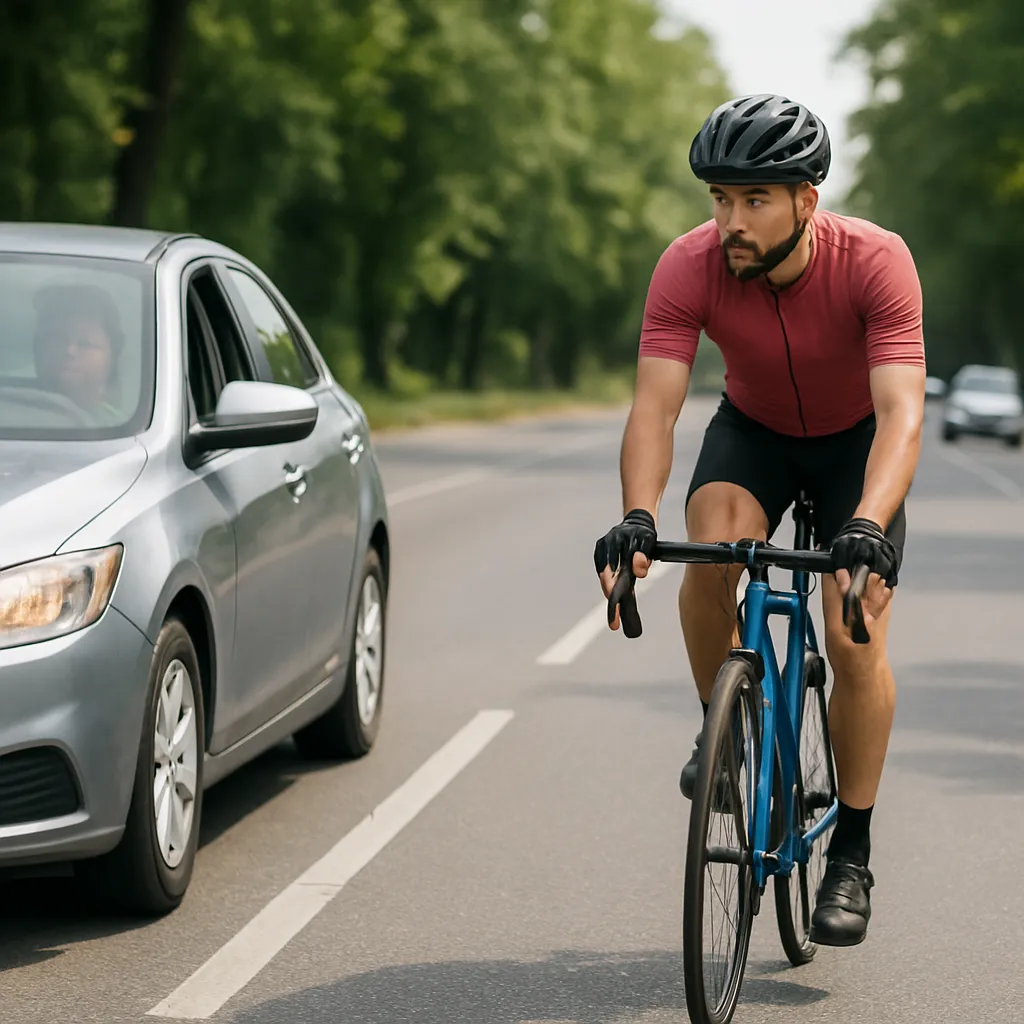
Switching to a bicycle for your daily commute can unlock a world of savings, improved well-being, and a lighter environmental footprint. By understanding how to select the right bike, maintain it effectively, and plan safe routes, riders can turn each pedal stroke into an opportunity for efficiency and long-term affordability. This article explores practical strategies to maximize your bicycle experience and harness the true value of two-wheeled transport.
Choosing the Right Bicycle
Match your ride to your needs
Selecting an appropriate bicycle plays a pivotal role in ensuring comfort, performance, and sustained cost reductions. With countless models on the market—from sleek road bikes to sturdy hybrids—consider the following factors:
Intended Use and Terrain
- Urban streets: A lightweight hybrid or city bike offers nimble handling and upright posture.
- Mixed surfaces: A gravel or cyclocross bike provides moderate tire clearance and versatile gearing.
- Steep hills: A road bike with a compact crankset and wide-range cassette eases climbs.
- All-weather riding: A commuter bike with built-in fenders and internal gearing fights rust and clogging.
For many daily riders, a sturdy hybrid delivers an ideal balance between speed, durability, and practicality. Investing in a quality frame crafted from aluminum or steel can increase your ride’s resilience and reduce long-term repair expenses.
Frame and Comfort Considerations
- Frame size: Ensure stand-over clearance and proper reach for safe handling.
- Saddle selection: Ergonomic design and pressure-relief cutouts prevent discomfort on longer trips.
- Handlebar style: Flat bars grant control in traffic, while drop bars offer multiple hand positions for distance.
- Suspension: Front forks can smooth rough surfaces, but add maintenance requirements and weight.
Proper fit earns dividends in faster, more enjoyable rides. Professional bike shops often offer fitting services, which represent a small investment compared to the gains in ergonomics and reduced injury risk.
Essential Gear and Maintenance
Protect your asset and ensure longevity
Equipping yourself with the right accessories and following a routine maintenance schedule can dramatically lower unexpected repair bills. A few key items and habits go far:
Must-Have Accessories
- Helmet: A certified, well-fitting helmet is non-negotiable for rider safety.
- Lights and reflectors: Front white light, rear red light, and side reflectors ensure visibility at dawn, dusk, or night.
- Lock: A sturdy U-lock or chain lock deters theft during brief stops.
- Panniers or backpacks: Weatherproof storage solutions eliminate the need for ride-to-destination gear purchases.
Spending a bit more on robust accessories pays off by preventing damage and theft, two common sources of unplanned costs.
Routine Maintenance Checklist
- Chain lubrication: Clean and lubricate every 200–300 miles to maintain smooth drivetrain operation and reduce wear.
- Tire pressure: Check before each ride; underinflated tires increase rolling resistance and risk of flats.
- Brake inspection: Ensure pads contact the rim or rotor properly and replace when worn below safety indicators.
- Bolt tightening: Periodically retorque stem, seatpost, and accessory mounts to manufacturer specifications.
- Drivetrain alignment: Adjust derailleur limit screws and cable tension to avoid gear skipping.
By tackling simple tasks yourself, you save on labor costs and deepen your knowledge of how a bike functions. Many local co-ops and community workshops even offer jump-start courses on basic bicycle maintenance, often at low or no cost.
Planning Your Route and Safety Tips
Navigate with confidence
Efficient route planning not only cuts travel time but also beefs up your overall riding sustainability by minimizing energy expenditure. Consider these tactics:
Selecting Efficient Pathways
- Bike lanes and greenways: Prioritize dedicated cycling infrastructure to avoid traffic stress and stops.
- Quiet streets: Use mapping tools to highlight low-traffic residential roads where possible.
- Topography: If your city features significant elevation changes, scout flatter alternatives or utilize ebike options.
- Multi-modal options: Combine short train or bus segments with cycling to cover longer distances or bypass obstacles.
Apps and online route planners tailored to cyclists can reveal hidden shortcuts. Experimenting during off-peak hours helps you discover the smoothest, safest paths before tackling the morning rush.
Urban Safety Strategies
- Predictability: Signal turns clearly and maintain a straight line to avoid surprises for motorists.
- Eye contact: Establish awareness with drivers at intersections.
- Visibility: Wear bright or reflective clothing and mount lights even in daylight.
- Defensive riding: Anticipate door openings, jaywalkers, and sudden lane changes.
- Group rides: Commuting with colleagues or local cycling groups can enhance mutual support and route knowledge.
Building a habit of cautious yet assertive riding reduces accident risk; a single incident can negate months of cost savings through medical bills or bike repairs.
Financial Benefits and Long-Term Savings
Turn pedals into profits
Counting the direct costs of car ownership—fuel, insurance, parking, depreciation—reveals how significant your potential savings can be. Let’s break down the arithmetic:
Comparing Modal Expenses
- Fuel: At 25 miles per gallon and $3 per gallon, a 10-mile daily round-trip costs roughly $6 in fuel alone.
- Insurance: Average annual premiums for compact cars can top $1,200, while bikes typically require no insurance or only minimal coverage.
- Parking fees: Urban lots and meters may charge $3–$5 per hour; bikes often park free or under a nominal fee.
- Maintenance: Cars average $0.10–$0.15 per mile; basic bike maintenance can drop below $0.02 per mile.
In a single year, switching a 10-mile commute from car to bike might save over $2,000 in direct costs—and that excludes intangible benefits like health improvements.
Hidden Economic Perks
- Tax incentives: Some jurisdictions offer commuter benefits and tax breaks for cycling to work.
- Reduced wear on other vehicles: Less driving translates to lower repair needs and extended car lifespan.
- Time savings: Bikes can bypass congestion, saving time that might otherwise be lost in traffic.
- Gym memberships: Regular cycling renders certain fitness subscriptions unnecessary.
Over a decade, the compounded financial effect of these savings can fund significant investment goals, whether buying a home, funding education, or building an emergency fund.
Environmental and Personal Well-Being Gains
Beyond dollars and cents
Cycling to work transcends pure economics, offering profound impacts on ecological footprints and mental health. Here’s how:
Ecological Impact
- Zero tailpipe emissions: Replacing car trips with bike rides directly cuts CO₂ and pollutant output.
- Less resource consumption: Bikes require far fewer raw materials and energy during manufacturing.
- Reduced traffic congestion: More bicycles on roads improve overall traffic flow and reduce idling.
Physical and Mental Health
- Cardiovascular fitness: Regular aerobic exercise strengthens heart and lung function.
- Stress reduction: Fresh air, motion, and avoiding rush-hour frustration can boost mood.
- Weight management: Daily calorie expenditure from commuting enhances weight-control efforts.
- Community engagement: Cyclists often connect in local groups, fostering social bonds and support networks.
Embracing the cycling lifestyle transforms commuting into an act of self-care and environmental stewardship. The resulting synergy between flexibility, economy, and well-being cements bicycling as one of the most accessible tools for sustainable living and personal growth.